
Solar inverter technology forms the core of every photovoltaic (PV) system, since it changes DC power from solar panels into AC power that homes, businesses, or the grid can use. As solar setups expand globally, designers and buyers often face a key technical choice: whether to select distributed microinverters or a centralized string inverter. This choice affects system output, ongoing expenses, and how the entire solar arrangement handles everyday conditions.
In 2026, both options stay popular, but market trends keep changing with greater use of hybrid and on-off grid setups. Knowing this change, especially with current inverter products like those in the SOROTEC range, helps guide project planning and spending decisions.
What Are Solar Microinverters And String Inverters?
Before diving into the comparison, it pays to explain what each inverter type really means.
A string inverter gathers DC power from a series of solar panels and turns it into AC power at one main spot, often near the panel group. This setup feels common and appears in many homes, businesses, and large-scale projects. String inverters have long provided solid efficiency, and today’s transformerless versions claim 97.5–98.5% conversion rates, while they remain fairly straightforward to set up and care for.
Microinverters differ because they are compact units placed at each panel or small clusters of panels. Each one handles the DC-to-AC conversion right where the power starts. This per-panel method cuts down on mismatch issues, such as variations from panel angles, shadows, or dirt, since every panel works on its own instead of relying on the weakest one in the group.
When covering these fundamentals, remember that no single choice fits every situation perfectly. Rather, each brings its own pros and cons that impact actual output, expense, and durability.
Why Does Choice Of Inverter Matter For Solar Projects?
Picking between microinverters and string inverters goes beyond basic descriptions, as it shapes real outcomes like yearly energy production, service ease, and fault-related interruptions.
Efficiency stands out as one key difference. Although string inverters might show a bit better peak conversion figures, those mismatch losses can lower total output in typical home systems. Microinverters hold steady by keeping panels separate, so if one faces shade or grime, it won’t pull the whole array down with it.
Reliability also shifts between the two. Data from the field points to fewer early failures for microinverters versus certain string types, though actual results depend on the maker and local conditions.
Over time, upkeep and swap-outs matter a lot too. String inverters in one spot usually last 10–15 years before needing replacement, but microinverters often aim for 25 years, which lines up well with panel life.
These elements all influence project budgets and return on investment. An inverter that costs less at first might end up pricier if it cuts energy gains or demands early fixes.
How Do SOROTEC Inverter Solutions Compare For Different Solar Needs?
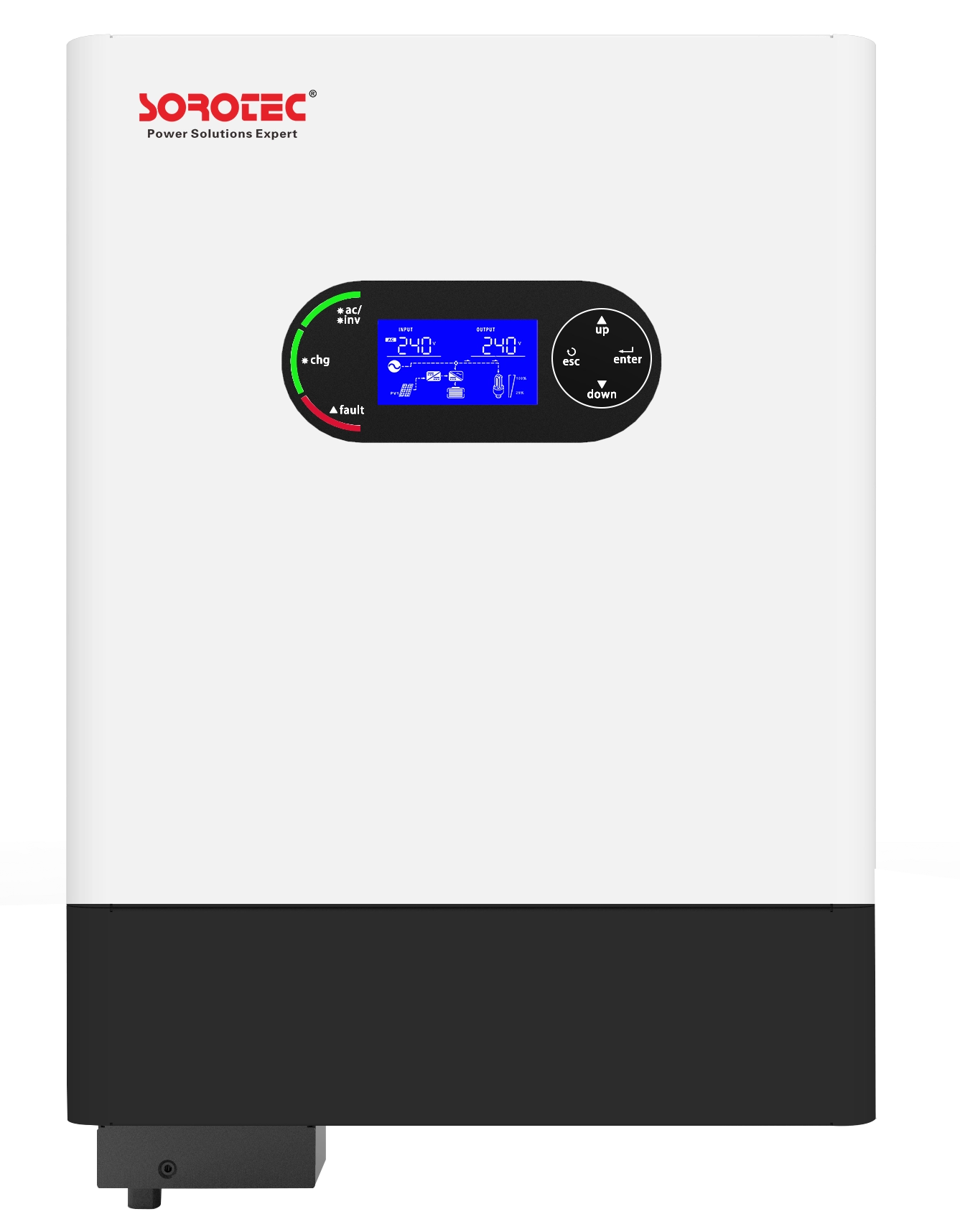
Choosing an inverter lineup means looking at how SOROTEC’s hybrid on-grid and off-grid choices fit various solar tasks, from home roofs to modest business sites that need power backups and battery links.
The On & Off Grid REVO HM 4/6 KW series works for both grid-tied and independent systems, thanks to its wide DC input range of 60–450 VDC and max input current of 27 A. It includes dual outputs for smart load control and an anti-dust feature for steady work in harsh spots. With app-based tracking and extra communication slots, users can watch performance and add batteries easily.
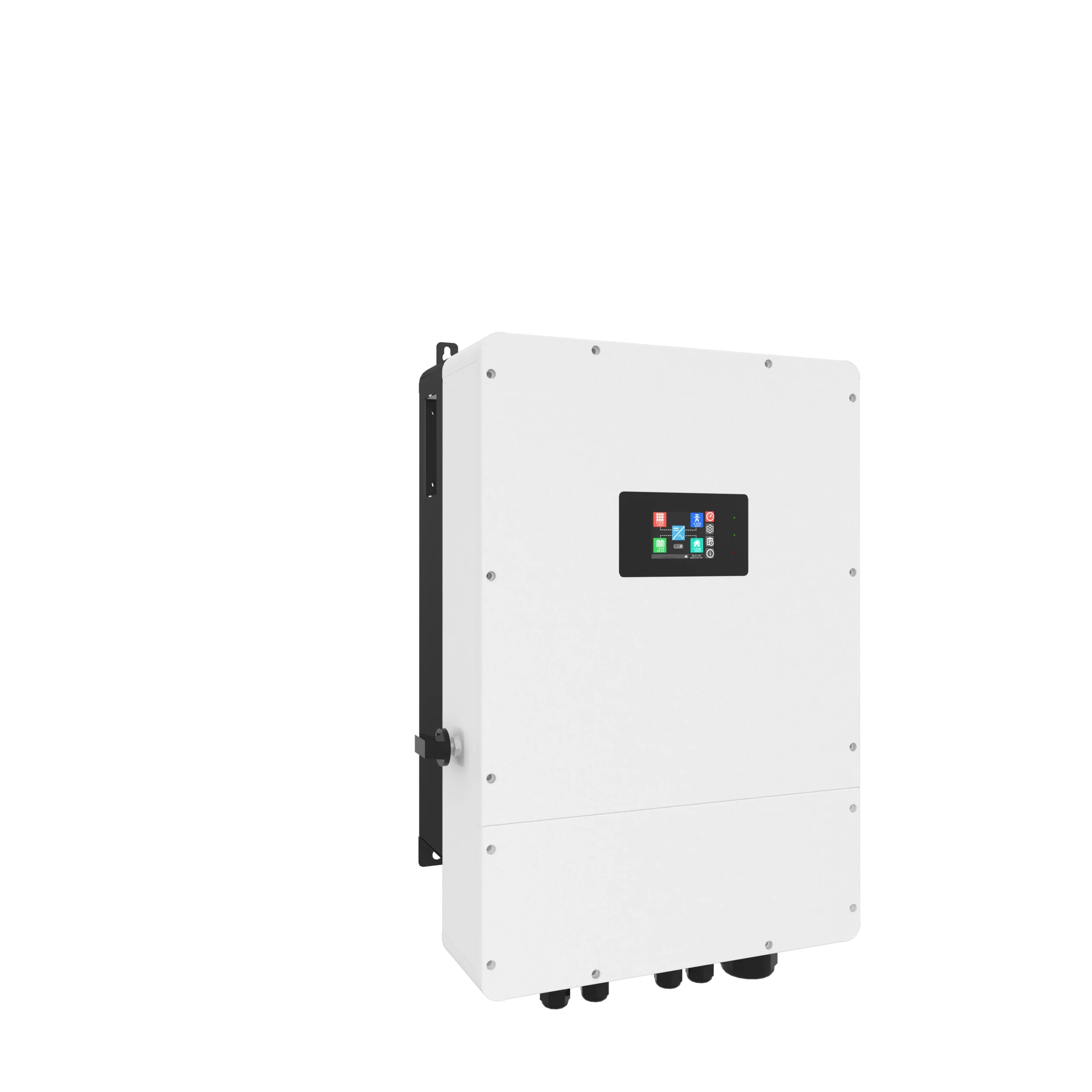
The On & Off Grid VM IV 6/8/11 KW inverter offers strong dual MPPT features and adjustable output priorities that match tougher setups. It has built-in Wi-Fi, a clear color display, and the ability to link up to six units for growth. Like other SOROTEC units, it handles both grid and off-grid modes smoothly.
The On & Off Grid REVO HES 6/8 KW series boosts hybrid storage options, meeting bigger power demands while blending batteries without hassle. This line highlights SOROTEC’s practical approach to systems that keep power flowing during blackouts or in far-off places with spotty grid access.
In everyday use, these hybrid inverters connect traditional string designs with spread-out power handling. They include MPPT tracking, load oversight, and adaptable grid/off-grid functions, so they serve as a flexible pick in 2026.
When Should You Prefer Microinverters Over String Inverters?
Microinverters shine in certain cases. For roofs with varied directions, some shading, or uneven panel placements, converting power at each panel often yields more energy across seasons than one string unit. Plus, in houses planning for added panels later, microinverters let you expand with little rewiring.
On the other hand, for homes or businesses with even sunlight and simple panel rows, a string inverter, including SOROTEC’s hybrid versions, usually matches output at a cheaper setup price. The single-point design cuts wiring needs and limits parts on the roof.
Keep in mind too that for bigger business or large-scale projects, string and central inverters rule. Such systems gain from fewer fix points and reduced hardware costs per watt.
What Are The Cost And Performance Considerations For 2026?
Looking ahead to 2026, experts forecast the worldwide microinverter market reaching about USD 0.41 billion, fueled by rising home installs that favor panel-level tech for better yields and oversight. North America drives this, thanks to rules that encourage it and lots of roof-based systems.
Even so, builders often point to the steeper initial price of microinverters as a main hurdle, usually 20–30% higher per watt than string types. Smart budgeting must balance these extras against boosts in energy capture and less downtime.
Here’s a simple industry overview of common performance and cost figures for 2025–26:
| Metric | String Inverter | Microinverter |
|---|---|---|
| Typical Conversion Efficiency | 97–98 % | 96–97 % |
| MPPT Tracking Channels | 1–2 | Per Panel |
| Projected Lifespan | 10–15 years | 20–25 years |
| Cost per Watt (approx.) | $0.10–$0.15 | $0.30–$0.40 |
| Partial Shading Effect | High | Low |
| Panel-Level Monitoring | Limited | Yes |
It helps to check actual output in set conditions too. For example, with some shading, microinverters keep losses to just one panel, whereas string setups might see 15–35% drop across the whole system.
| Condition | Microinverter Annual Yield Loss | String Inverter Yield Loss |
|---|---|---|
| Slight Shade | 2–5 % | 10–20 % |
| Moderate Shade | 5–8 % | 20–35 % |
These details all shape the overall return and system worth. Hybrids like SOROTEC’s, with built-in storage and clever load handling, bring added toughness and backup that many users seek amid shaky grids.
FAQ
Q1: Are microinverters more reliable than string inverters in real installations?
A: Field reports indicate that microinverters often have fewer early breakdowns, but outcomes differ by brand and setting. With good planning and setup, both types can prove dependable.
Q2: Can string inverters work with battery storage like microinverter systems?
A: Yes, they can. Today’s hybrid string inverters, such as SOROTEC’s models, link up with batteries and switch easily between grid, solar, and reserve power.
Q3: Does choosing microinverters always mean higher energy yield?
A: No, not every time. They usually boost yield in shaded or tricky roof designs, but in clear, even sunlight with basic arrays, quality string systems can match them yearly.