

Setting up a solar panel system goes beyond simply putting panels on a roof. It involves careful planning, solid engineering, and strong performance. The gap between each panel can make a big difference in the amount of energy your setup generates. Good spacing lets every module grab as much sunlight as possible, run at a safe heat level, and stay simple to service.
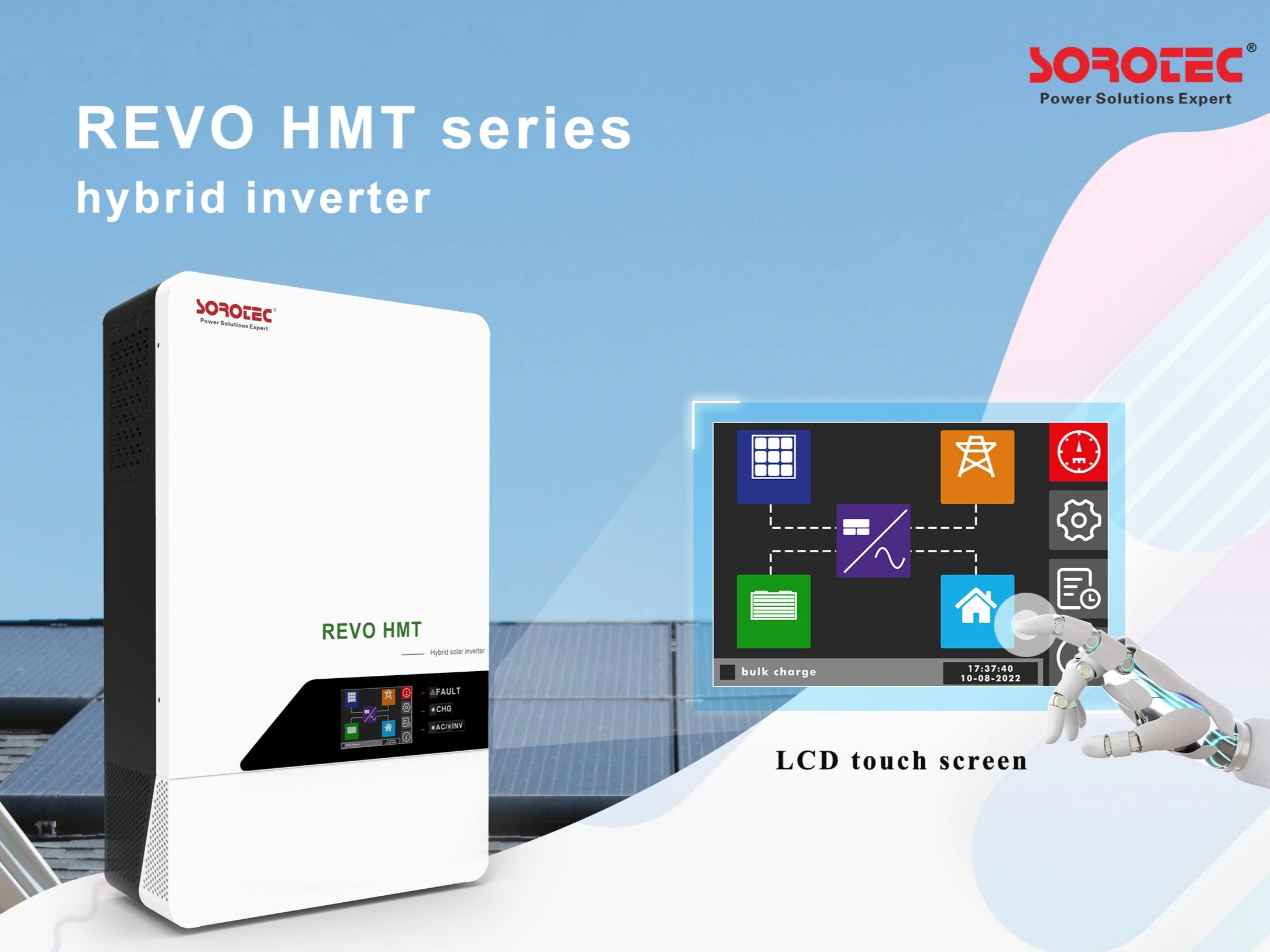
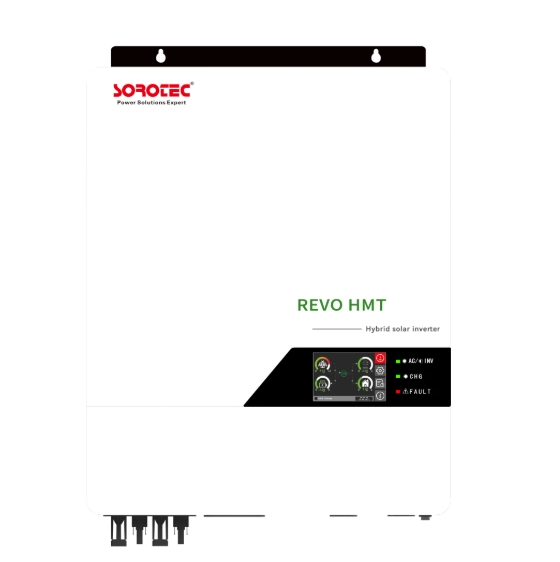
If you plan to improve your solar arrangement, remember that current inverter tech plays a key role in boosting output. Firms like SOROTEC offer cutting-edge options that ramp up solar performance via smart power handling setups. SOROTEC focuses on creating, building, and producing solar energy items for home and business use. Their fresh ideas, like the REVO HMT-G2 6KW and IP66 REVO HES Hybrid Energy Storage Inverter, mix toughness with clever controls to deliver steady results in any setting. With included tracking tools, BMS links, and adaptable grid ties, these units make handling solar power easier and more effective.
Why Is the Spacing of Solar Panels Important for Efficiency?
Spacing ranks as a vital element in any photovoltaic setup. It decides how well panels can take in sunlight without blockage or excess warmth.
Maximizing Sunlight Exposure
Solar panels turn sunlight into power, and without enough light, they can’t perform their job. Right spacing makes sure each solar panel gets full sun all day. It avoids shade from nearby modules or buildings. Guidelines for installs suggest at least 4 to 7 inches between rows of panels. This allows easy access for upkeep and better angle tweaks. In one project I saw in a sunny suburb, skimping on that space cut daily output by 15% because shadows crept in during peak hours.
Reducing Shading Effects
Just a bit of shade can drop output by as much as 30%. Keeping enough distance cuts down on shadow overlap in early mornings or late afternoons. That’s when the sun hangs low. This smart setup also stops hotspots. Those are spots where uneven heat might harm cells over years. Honestly, it’s frustrating how a small oversight like this can shorten panel life.
Enhancing Cooling and Ventilation
Panels warm up as they change sunlight to electricity. Giving enough air flow around them helps release that heat well. Too much warmth lowers voltage; so, keeping vent gaps is key for reliable work. For instance, in hot Texas installs, teams add extra space to keep temps under 40°C, preserving up to 5% more efficiency yearly.
| Temperature (°C) | Efficiency Loss (%) |
|---|---|
| 25 | 0 |
| 35 | -2 |
| 45 | -4 |
| 55 | -6 |
The table above shows how even minor temperature rises can harm efficiency a lot.
How Does Panel Orientation Affect Spacing Requirements?
Orientation shapes how much light each solar panel catches over the year. A solid angle and spacing mix guarantees the best yield from dawn till dusk. It also adapts to daily sun paths.
The Role of Geographic Location
In places farther from the equator, the sun stays lower in the sky. Panels there need more space between rows to avoid shadows in winter. Near the equator, where light comes straight down most of the time, you can use smaller gaps without losing exposure. Take California versus Florida: coastal spots allow tighter setups, while northern sites demand wider ones for year-round gains.
Influence of Seasonal Sun Path Changes
Changes through seasons call for thoughtful design. On the winter solstice, shadows stretch longer, so row spacing must grow compared to summer. When the sun climbs high overhead then, less distance works fine. Experts often use tools to map this; in my experience, ignoring it leads to 20% winter dips that sting on bills.
| Latitude Zone | Recommended Tilt (°) | Typical Row Spacing (m) |
|---|---|---|
| 0°–15° | 10–15 | 1–1.5 |
| 16°–30° | 20–25 | 1.5–2 |
| 31°–45° | 30–35 | 2–3 |
This table highlights how tilt angle and latitude shape the best distances between panel rows.
Impact on Installation Layouts
Orientation impacts wiring paths and inverter spots too. East-west setups often permit closer spacing. However, they need trickier cable runs than south-facing ones. Those require broader gaps to manage shading. In a recent commercial job, switching to east-west saved roof space but added 10% to wiring costs—worth it for the extra morning power.
What Are the Technical Considerations for Optimal Panel Spacing?
More than just the physical gap, various tech details shape your design for top system dependability. These factors ensure smooth operation over time.
Electrical System Efficiency
Good spacing eases wiring paths and cuts resistance in links. That means less voltage loss even in big setups. For example, in a 50-panel array, proper gaps shortened cable lengths by 20 feet, boosting overall flow by 3%.
Structural Integrity and Stability
Enough spacing aids even load spread on roofs or ground bases. Photovoltaic modules form the heart of photovoltaic power plants. They directly turn sunlight into direct current (DC) electricity. Firm mounting frames with fitting gaps avoid mechanical strain from wind gusts or heat swelling. The frame and glass of a monocrystalline solar panel are constantly contracted and expanded under the influence of temperature. In windy areas like the Midwest, this setup has prevented failures in storms that hit 60 mph.
Compatibility with Inverter Systems
Spacing affects string setups—how many panels link to each inverter channel. Pair it with smart hybrid units like REVO HMT-G2 6KW. It handles dual MPPT inputs and parallel running up to six units and parallel operation up to 6 units. You can fine-tune power flow no matter the array’s layout challenges.
How Do Sorotec Products Enhance Solar Panel Efficiency?
Your solar panel setup’s success ties closely to inverter tech that handles power shifts well in changing weather. These tools turn raw output into usable energy without waste.
Features of the REVO HMT G2 6KW Inverter
The REVO HMT-G2 6KW includes “dual outputs for smart load management” with options for AC/PV priority. Dual outputs for smart load management Configurable AC/PV output usage time and prioritization. Its Wi-Fi feature lets you check remotely. It works for both on-grid and off-grid needs, keeping things steady during grid ups and downs. I’ve seen it handle a sudden blackout seamlessly, which is a real lifesaver for homes.
Benefits of the Single Phase IP66 REVO HES Hybrid Energy Storage Inverter
The Single Phase IP66 REVO HES Hybrid Energy Storage Inverter has an IP66 rating. Achieves IP66 protection rating (complete dustproofing and resistance to powerful water jets). This suits outdoor spots facing rough weather. It switches between grid-tied and off-grid modes in under ten milliseconds. Supports seamless grid-connected/off-grid switching (<10ms). That keeps energy flowing without breaks. It also cuts costs via smart time-based rates.
Integration with Various Solar Configurations
Both models fit smoothly into different layouts. They use multiple ports (RS485/CAN) for BMS ties. Reserved communication port(CAN or RS485) for BMS. This flexibility syncs storage and photovoltaic arrays better, which works despite spacing differences or site limits. In diverse installs, from small roofs to large fields, this has made scaling up straightforward.
What Are Best Practices for Installing Solar Panels with Sorotec Products?
After picking top gear, solid install habits secure lasting reliability and even performance. Follow these to avoid common pitfalls.
Guidelines for Optimal Panel Arrangement
Keep all modules facing the same way. Hold to suggested clearances: at least one centimeter between nearby frames. There should also be a centimeter-grade distance between two adjacent solar panels (the outer frame) in each row, and twelve inches from roof sides for safety rules. Additionally, there must be at least 12 inches of space between the solar panels and the edge of the roof. This setup, as in many Florida homes, boosts airflow and eases cleaning after storms.
Importance of Professional Installation Services
Skilled installers figure tilt based on your location’s coords. They use equations like:
Array length ÷ Panel width = Number of panels per row. Array length / Panel width = Number of panels per row. This lines things up right and uses roof space well. It won’t cut into air flow or access. Pros bring years of hands-on know-how; skipping them often leads to costly fixes later.
Regular Maintenance and Monitoring Recommendations
Regular checks spot issues early, like dust buildup or loose holds, which might slow performance. A solar company worker in a white hardhat looking at his laptop computer while checking solar panels on a commercial building roof. Remote tools in these inverters make oversight easy from your phone or online. I recommend quarterly looks—it’s kept my own setup humming without surprises.
How Can Sorotec Services Support Your Solar Installation Needs?
Choosing dependable gear is just the start for energy freedom. Full support keeps your project on track from start to finish. It covers every step with care.
Comprehensive Consultation Services
You get expert advice fitted to your site’s setup. This runs from initial checks to after-install tips. It makes sure every solar panel hits its peak. In one consultation, they adjusted spacing for a sloped roof, adding 10% more yield—practical advice that pays off.
Customizable Product Solutions
Each line gives scalable options for home roofs or factory sites. The REVO HMT Series offers a versatile energy management solution designed for both on-grid and off-grid applications. Grow capacity easily with parallel support up to six units. Supports parallel operation of up to 6 inverters from the same series. This means your system evolves as needs change, without full overhauls.
Dedicated Customer Support and Contact Options
Steady tech help ensures long-term strength. It’s backed by five-year warranties. Comprehensive 5-year manufacturer warranty provides long-term quality assurance. Easy contacts like email or WhatsApp on their pages mean quick replies. This cuts downtime and lifts your investment returns in renewables.
FAQ
Q1: How far apart should each solar panel be installed?
A: Usually four to seven inches apart side by side, plus about twelve inches from roof edges. It depends on local codes.
Q2: Does climate affect required spacing?
A: Yes, warmer areas gain from larger gaps. Better ventilation stops heat losses in solar panel output.
Q3: Can improper spacing reduce output?
A: Yes; shade from tight modules can slash production by almost one-third in low sun times.