

The solar field has stepped into a competitive phase with very powerful modules. If you are updating your power setup or planning a fresh industrial site right now, you probably know that moving to 210mm solar cells is not just a passing fad. It has become the norm. No matter if you are supplying energy to a large storage building or a targeted assembly line with a PVC Food Conveyor Belt, making sure your inverter manages the strong current from these fresh panels marks the line between a solid return on investment and a limited setup.
Selecting a solar system means you are putting together a core driver for your company. You would not install a weak fuel deliverer in a fast race vehicle. Similarly, you should avoid matching strong-current 210mm panels with a poorly rated inverter. To ensure your activities—and your PVC Food Conveyor Belt—operate without hitches, it is essential to consider more than mere power output.
Meet the Experts: Why SOROTEC is Your Strategic Energy Partner
Before we explore the details of current handling, allow me to present the group driving the tech. Shenzhen Soro Electronics Co., Ltd. (SOROTEC) has served as a key player in power electronics and renewable energy areas since 2006. As a certified national high-tech company, they go beyond selling devices. They create fixes that support the vital functions of today’s urban centers.
Their offerings range from UPS units that protect data hubs to hybrid inverters handling tough industrial demands. Their presence extends worldwide, covering Europe, Africa, and the Middle East. For those seeking a collaborator providing expert OEM and ODM services to match your branding and tech specs, they fit the bill. They work with careful skill and a supportive spirit, guaranteeing your progress via tailored, dependable, and steady power supplies.
The 210mm Shift: Why Amperage is the New Performance Metric
Earlier, most home and small business setups paid close attention only to voltage. Yet, the introduction of 182mm and 210mm modules has changed that focus. These bigger modules aim to cut the Levelized Cost of Energy (LCOE). They achieve this by sending much higher current levels through the system.
When the Maximum Power Point Tracking (MPPT) input current on your inverter falls short, you encounter “clipping.” In such cases, the inverter discards any excess current beyond its capacity. This wastes the renewable energy that your costly panels generate. For businesses in industry, this represents a direct financial loss.
Table 1: Current Profiles of Modern Solar Modules
| Module Type | Typical Cell Size | Operating Current (Imp) | Bifacial Gain (Estimated) |
|---|---|---|---|
| Standard Module | 156mm – 166mm | 8A – 10A | N/A |
| High-Power (Mainstream) | 182mm | 13.1A – 13.9A
|
~15A – 16A |
| Ultra-High Power | 210mm |
17A – 18A
|
Up to 20A+
|
The table shows clearly how a 210mm module generates almost twice the current compared to panels from earlier generations. To preserve the performance of your gear—such as a demanding PVC Food Conveyor Belt in a manufacturing site—you require an inverter that views these elevated currents as a benefit rather than a risk.
Driving Industrial Efficiency from Inverters to PVC Food Conveyor Belts
Steady power forms the foundation of any plant, particularly when a PVC Food Conveyor Belt must function around the clock without stops. Meeting these needs calls for particular equipment built for the current high-current period.
The Heavy Hitter: REVO HMT G2-IP54
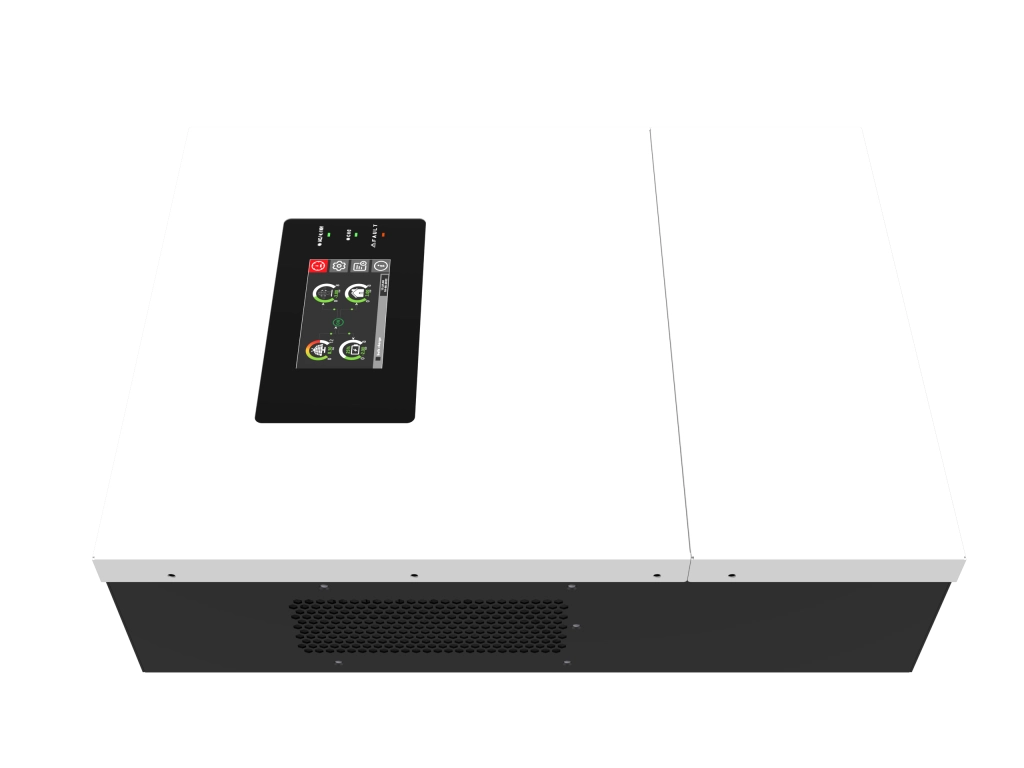
The Single-Phase IP54 REVO HMT G2 Hybrid Inverter (4-11kW) stands out as a fine example of current power control. While plenty of basic inverters remain capped at 13A or 15A thresholds, the REVO HMT delivers an impressive 40A maximum photovoltaic input current in its top models. This design specifically suits the powerful 210mm and bifacial modules leading the market today.
Equipped with an LCD touch screen and support for various languages, it proves quite easy to use. As your operations expand, this unit scales accordingly, allowing up to 6 units in parallel. Such growth potential matters greatly if you plan to enlarge your site and include another PVC Food Conveyor Belt or extra cooling systems.
The Rugged Specialist: REVO HES IP66
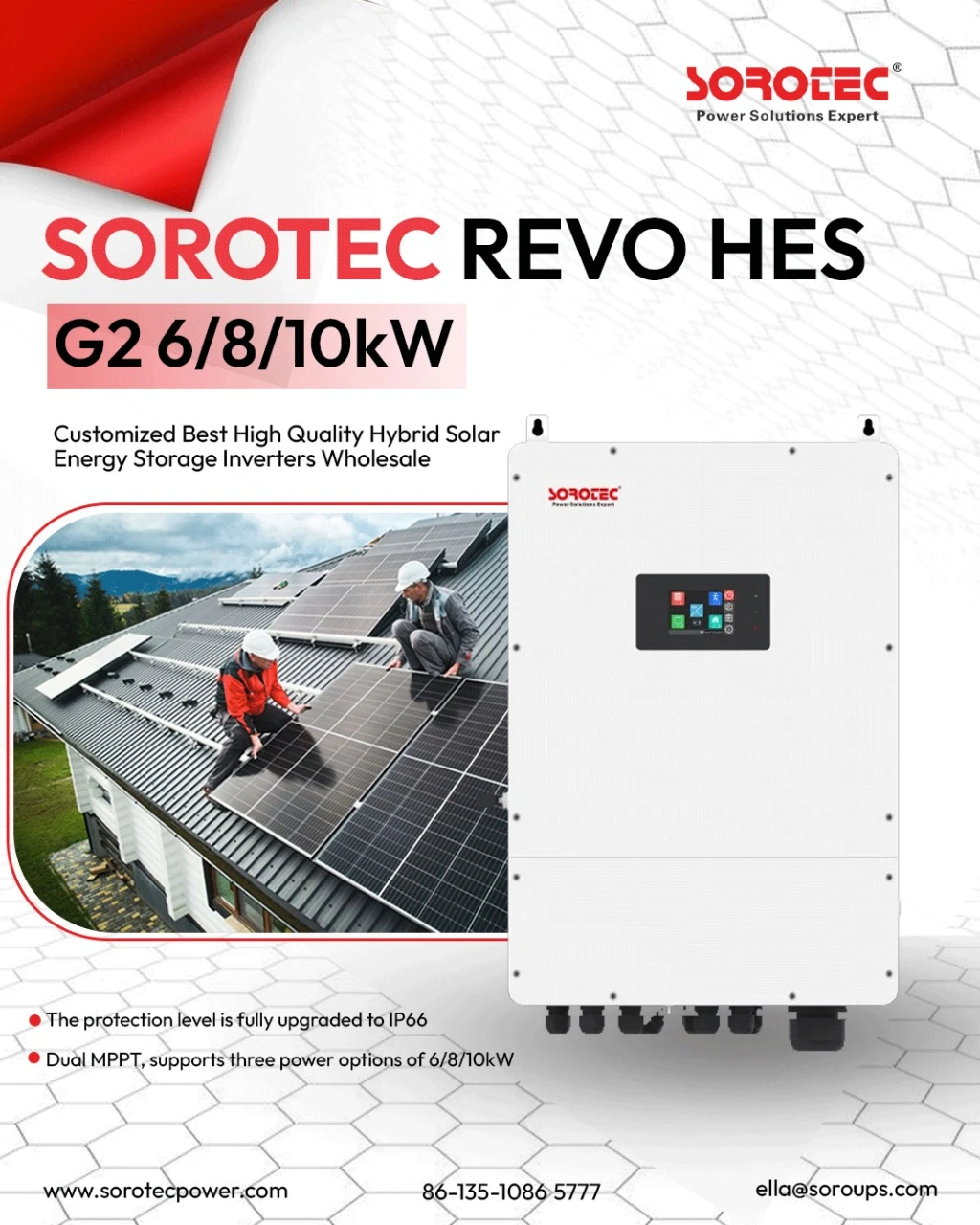
For setups outside or in tough conditions, the Single-Phase IP66 REVO HES Hybrid Energy Storage Inverter (6-10kW) serves as the ideal pick. Its IP65/IP66 protection grade keeps out dust and water—issues often found in food handling areas—from affecting your power supply.
The REVO HES includes a 5-year warranty along with a built-in “Peak and Valley” feature. This setup lets you charge batteries smartly during off-peak rate times and release power during high-rate periods. As a result, it lowers your overall running expenses. In the same way that a durable PVC Food Conveyor Belt cuts interruptions in transport tasks, an inverter with high current capacity like the REVO HES makes sure your solar setup performs reliably when it counts.
Beyond Amperage: Features for Total Energy Independence
Although matching amperage stands as the basic requirement for 210mm panels, these hybrid units provide extra safeguards and gains in output.
UPS-Grade Reliability
If the main grid goes down, production lines should not halt. These inverters switch to off-grid mode in less than 10 milliseconds. This level matches UPS (Uninterruptible Power Supply) standards. Consequently, your network devices, servers, and delicate factory motors experience no noticeable break while moving to battery support.
Table 2: String Inverters vs. Central Inverters
| Feature | String Inverter (e.g., REVO Series) | Central Inverter |
|---|---|---|
| System Size | Best for <1 MW
|
Ideal for >1 MW
|
| Flexibility | High (Modular & Scalable)
|
Low (Centralized)
|
| Maintenance | Easy (Single unit swap)
|
Complex (One failure affects all)
|
| Shadow Tolerance | Excellent (Multi-MPPT)
|
Poor (Single MPPT)
|
The “Battery-Less” Advantage
A standout feature of the REVO MPI series is its unique capacity to start and operate without batteries. This offers significant budget flexibility: businesses can install their 210mm solar arrays today to slash energy bills immediately. Later, as budget allows, storage batteries can be added without the need to replace the inverter. It is a practical, phased path to energy independence that avoids heavy initial capital expenditure.
Professional Service and Global Logistics
Picking suitable equipment covers just part of the challenge. The rest involves reliable backing. Since each industrial effort differs, a uniform method seldom succeeds. Whether as a system builder or project contractor, one needs a teammate familiar with worldwide shipping details.
Comprehensive delivery choices keep projects on track:
Ocean Freight: A budget-friendly option for bulk international shipments.
Land Transportation: Suited for local adaptability and brief cross-border routes.
Air Freight: Chosen for pressing timelines when key gear must arrive on site fast.
The staff oversees every step—from initial client talks and requirement checks to shipment alerts with live tracking updates. By choosing proper tech, your PVC Food Conveyor Belt and full business operations stay productive.
Contact Us Today
Prepared to boost your solar output using high-current inverters?
Visit our website: https://www.soropower.com/
Inquire about OEM/ODM: Let’s develop a custom fix for your factory demands.
Frequently Asked Questions (FAQ)
Q: Can I use 210mm solar panels with an inverter that only has a 15A input current?
A: Technically, you can try it. However, it is not advisable. A 210mm panel typically outputs 17A-18A. With an inverter capped at 15A, excess power gets clipped away. Such waste proves expensive in factory environments, where each bit of power supports devices like a PVC Food Conveyor Belt.
Q: What is the benefit of a “battery-less” start function for a business?
A: It enables gradual spending. Install high-power solar panels and the REVO inverter upfront to cut daytime energy expenses right away. Add batteries down the line as storage demands increase, all without replacing the inverter.
Q: How does the <10ms switching time affect my facility’s operations?
A: It delivers smooth reserve power. Industrial machines and digital systems demand quick shifts to prevent restarts. A switch under 10ms keeps assembly lines and key electronics running steadily amid grid failures.