

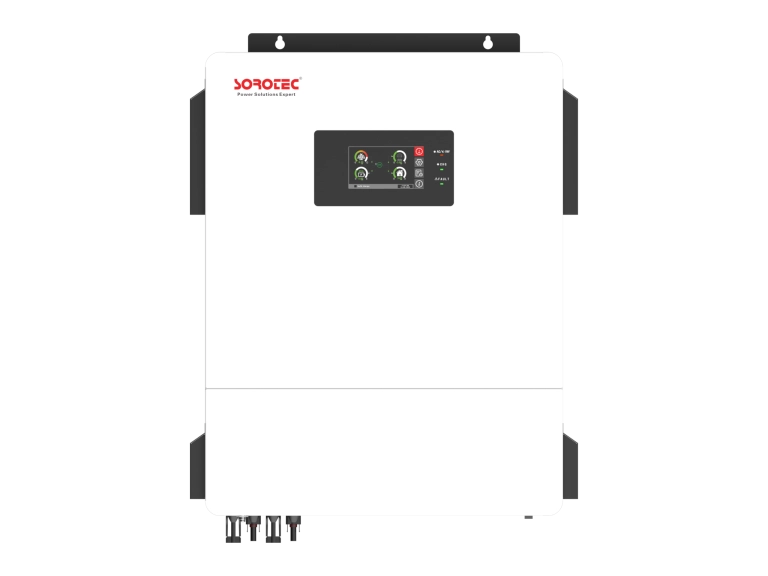
As you move toward a modern way of living with energy freedom, picking the proper hybrid inverter matters a lot for getting the best from your solar setup. For a regular home or one with high power needs like a smart house, choosing between split-phase and three-phase systems sets the base for steady electricity. To help with this, we draw on the skills of Shenzhen Soro Electronics Co., Ltd.. This firm, known worldwide as a high-tech business, has worked on power electronics and smart new energy since 2006. With deep technical know-how, they offer expert OEM and ODM services globally. These ensure steady and trustworthy power aid. Their smart energy options, from off-grid systems to business storage, meet strict international tests. For strong reliability and fresh ideas in your solar structure, their advanced hybrid inverters stand as the clear pick to protect your everyday power use.
Hybrid Inverter Technologies for Modern Homes
Choosing the right solar design calls for a good understanding of how various electrical phases work in your place. Below, we explain the main ideas of home power supply. This should aid in making a smart decision.
Basics of Split-Phase Power Systems
Split-phase power serves as the usual setup for most home systems, especially in North America. It uses two 120V AC lines that sit 180 degrees apart. Together, they create 240V to power common home items like stoves and dryers well. Each line alone gives 120V for lights and plugs.
Fundamentals of Three-Phase Power Systems
Three-phase power appears mainly in business places but now reaches homes with big power demands. It sends power through three AC lines, each 120 degrees apart. This setup keeps power flowing without hitting zero, which gives a smooth and firm electricity supply.
Core Functions of Hybrid Energy Storage
No matter the phase kind, a hybrid energy storage inverter serves as the control center of your solar setup. It handles DC from panels, turns it to AC for home use, and routes extra power to batteries or the grid. All this boosts overall efficiency.
Key Differences Between Split-Phase and Three-Phase Power
For a wise choice, look at how these systems deal with regular electrical needs and grid steadiness. The differences reach far past basic wiring.
Voltage Levels and Delivery Mechanics
The main gap comes in the wave form and power evenness. Split-phase setups have short zero-voltage moments from their back-and-forth flow. On the other hand, three-phase links its currents for steady power. This cuts down harm to delicate devices a great deal.
Suitability for Heavy-Duty Appliances
Basic split-phase handles daily home tasks with ease. But for homes with big air systems, several EV chargers, or strong motor gear, three-phase stops voltage falls and light flickers that often come with starting heavy items.
Grid Connectivity and Load Balancing
Three-phase setups give better load spread by nature. They share the power load over three lines, so amps per line drop. This brings lower heat in operation, fewer losses in sending power, and reduced stress on home wiring.
Table 1: Technical Comparison of Power Phases
| Feature | Split-Phase System | Three-Phase System |
|---|---|---|
| Waveform Structure | Two currents (180° out of phase) | Three currents (120° out of phase) |
| Typical Voltage | 120V / 240V | 230V / 400V (Varies by region) |
| Power Delivery | Pulsating | Continuous |
| Load Balancing | Moderate | Excellent |
| Best Application | Standard residential homes | Large homes with EVs and heavy HVAC |
Evaluating Split-Phase Inverters for Residential Applications
For most homes in the suburbs, split-phase options offer a fine mix of price and output. Here are reasons this might fit well.
Primary Benefits for Standard Households
When energy use centers on usual lights, media setups, and kitchen tools, a split-phase inverter gives plenty of room. It links smoothly to current home panels without big rewiring costs.
Installation Costs and Practicality Factors
Since split-phase matches home norms, setup work and supplies cost much less. It skips the extra charge for grid upgrades, so it proves a smart, low-cost way into home energy holding.
REVO HMT IP54 L2P G2 Overview
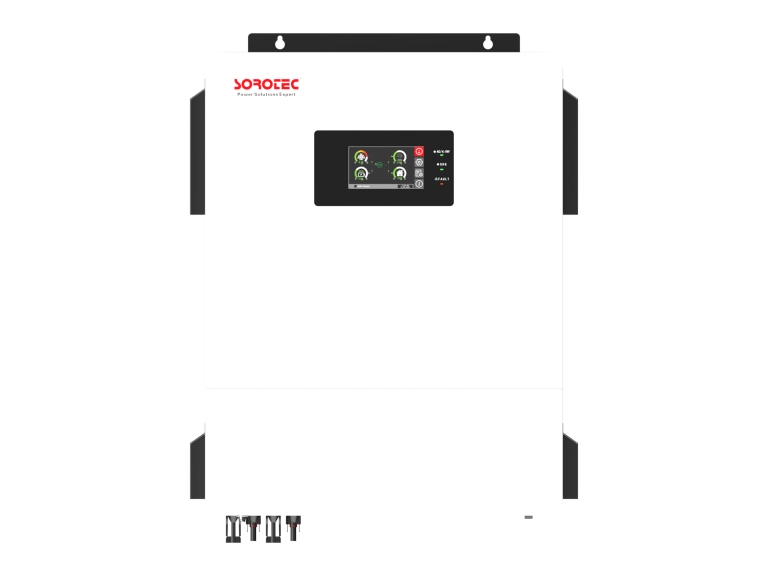
For strong split-phase work, the REVO HMT IP54 L2P G2 stands out. From 8kW to 12kW, it includes smart load control, IP54 guard for lasting strength, and easy shifts between on-grid and off-grid. It backs lithium and lead-acid batteries to keep homes safe from sudden blackouts.
Analyzing Three-Phase Inverters for High-Demand Homes
With homes adding more EVs and wide smart controls, regular wiring often lacks enough. Here, better multi-phase tech turns essential.
Management of Heavy Energy Loads
Current homes that charge devices or run shop-like spaces need firm power hold. A three-phase inverter takes these big power jumps without pushing circuits hard or causing breaks.
Enhancements in System Efficiency
Power flows steady over three phases, so less wire material carries the same load. This cuts heat from resistance, and more solar power goes straight to devices.
REVO HMT IP54 L3P G2 Features
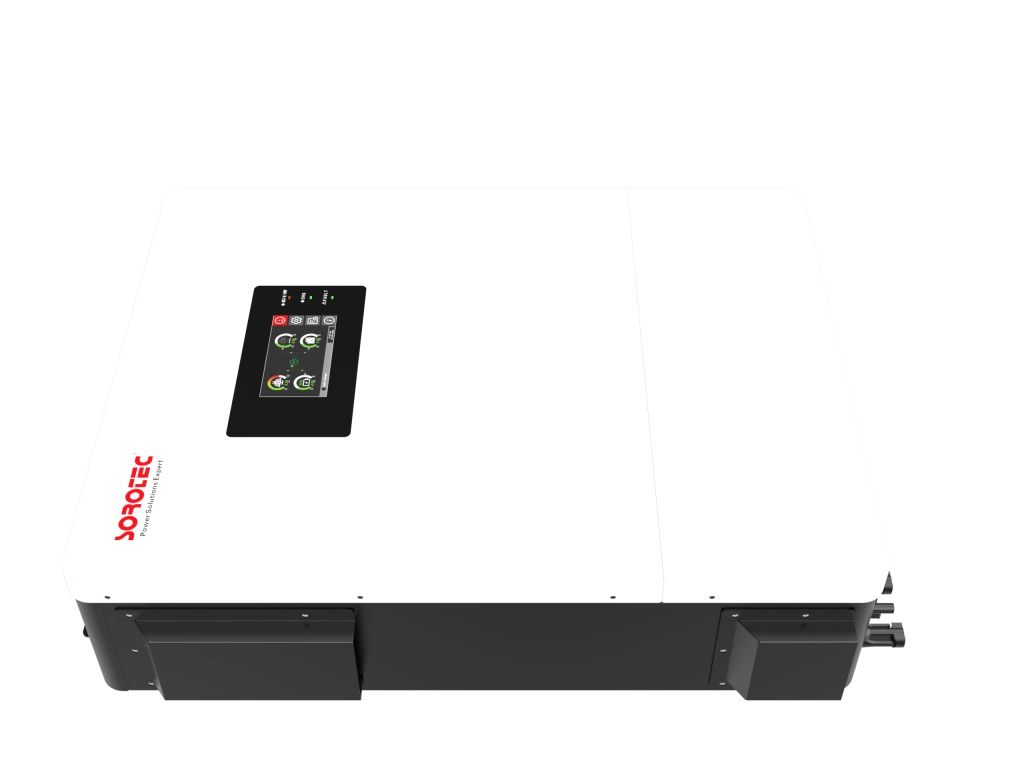
Built for tough tasks, the REVO HMT IP54 L3P G2 gives 6kW to 12kW of solid, nonstop power. It has max PV input for efficient panels and links up to 6 units. This makes it the top choice for large home areas.
Table 2: REVO HMT Series Specification Comparison
| Specification | REVO HMT IP54 L2P G2 | REVO HMT IP54 L3P G2 |
|---|---|---|
| Power Capacity | 8kW / 10kW / 12kW | 6kW / 8kW / 10kW / 12kW |
| Output Phase | Split-Phase (120/240Vac) | Three-Phase |
| Max PV Array Power | Up to 6500W * 2 | Varies by configuration |
| Protection Rating | IP54 | IP54 |
| Parallel Capability | Yes (Optional) | Yes (Up to 6 units) |
Guidelines for Choosing the Right Solar Inverter
The best pick should fit your present way of life and plans for energy ahead. Checking your own numbers assures lasting content and good value from spending.
Assessment of Daily Electricity Consumption
Start by looking at power bills to spot high-use times and average daily kWh. If highs come from normal home routines, split-phase works fine. For quick, at-once heavy tool use, multi-phase becomes key.
Evaluation of Future Power Expansions
Think about your next five years. Will you get several EVs, grow your home size, or add a warm pool? Planning your solar base now avoids pricey inverter swaps down the line.
Insights From Actual Case Studies
Real setups give the clearest view of how systems run. By checking skilled case studies, one sees how custom solar plans fix set energy issues. This helps pick a system tested in like settings.
Elevate Your Solar Infrastructure With Professional Solutions
Working with a solid maker keeps your energy hold running smooth for years. Good aid and new designs turn your solar path from hard work to easy improvement.
Legacy of Innovation and Global Reach
After close to 20 years in power electronics, top firms stress safety, monitoring, and fine parts. Find out more on this green energy drive at the About Us page. Global approvals bring calm assurance.
Professional OEM and ODM Services
Each home or task differs. Adaptable making lets custom energy holds fit local grid rules or special building plans. So, the system suits your needs just right.
Direct Contact for Expert Consultations
Avoid going through solar changes by yourself. For custom size, tech details, or full quotes, contact our service team now. Skilled engineers stand ready to build your top energy-free home.
FAQs
Q: How do I know if my home requires a Three-Phase inverter?
A: Look at your main breaker box or ask your power supplier. A standard 120V/240V setup means a split-phase inverter fits. For homes set for business-level power with heavy machines or quick EV charge, a three-phase inverter matches the grid feed.
Q: Can a hybrid inverter operate without a battery connected?
A: Yes. Strong hybrid inverters run without batteries by turning solar to home power and sending extra to the grid. Still, for backup in cuts or to use time-based rates, linking a matching lithium or lead-acid battery helps a lot.
Q: Do these inverters support seamless switching during a grid outage?
A: Yes. Fine hybrid systems use dual breaks with switch times near 10 milliseconds. This keeps key tools, computers, and lights going without clear stops when power drops.