

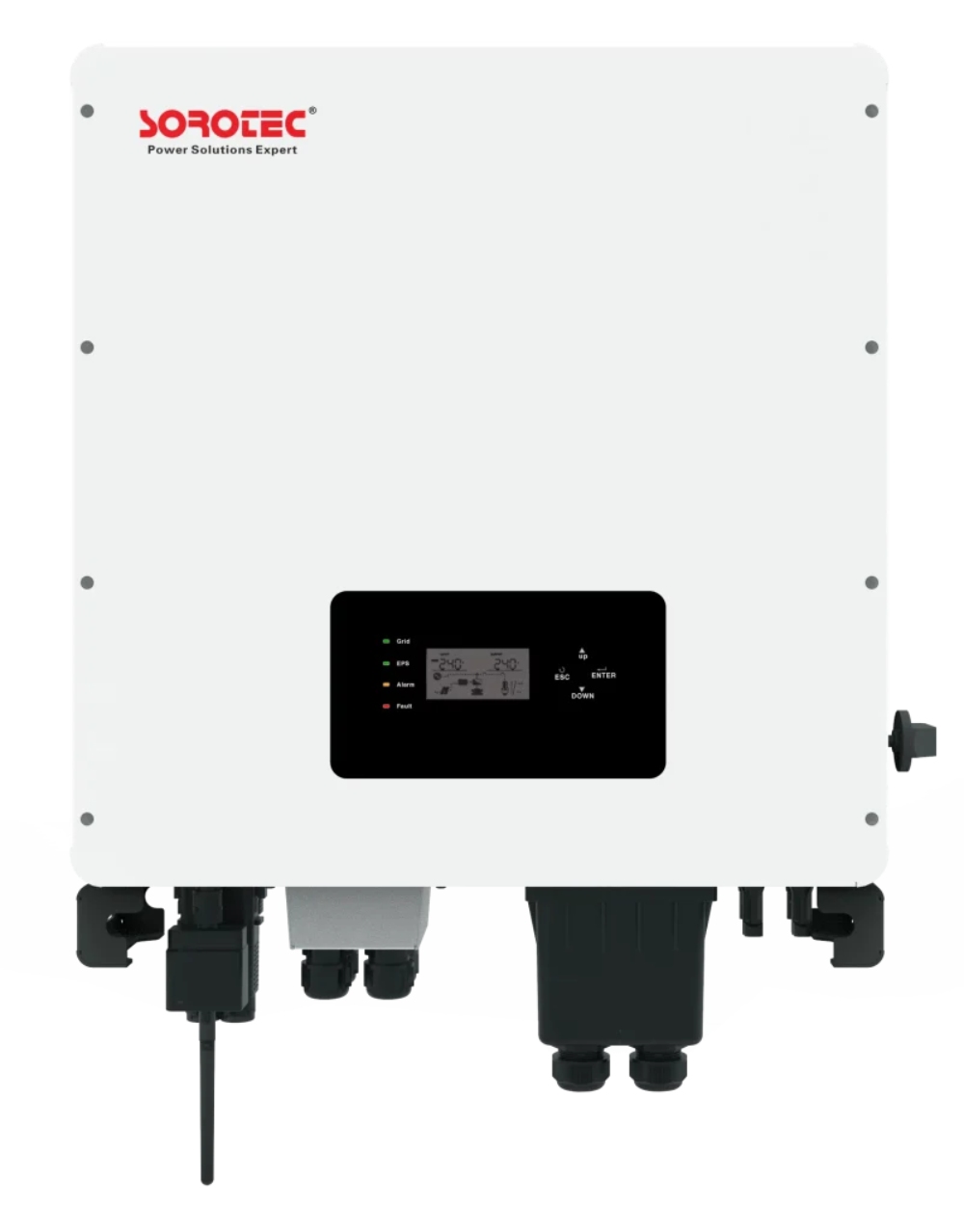
With power prices climbing and grid steadiness turning into a bigger issue, getting a self-reliant and effective energy supply for your current home proves vital. Improving your solar arrangement starts with choosing the correct main device. The move to an Integrated Hybrid Inverter now leads the way in the European scene.
To make your energy base ready for the future, reliable gear matters. We suggest teaming up with Shenzhen Soro Electronics Co., Ltd.. This well-known high-tech company has centered on power electronics and smart new energy since 2006. Unlike basic providers, it offers solid, carefully checked smart energy options. These go from strong off-grid plans to modern business energy holding. With solid technical background, it gives expert OEM and ODM services around the world. This brings steady, well-fitted power help. Picking its fresh systems makes sure your daily power needs get met with strong new ideas, safety, and lasting build.
Maximization of Solar Self-Consumption
To gain real value from your solar outlay, the power you make must get used well. Better devices make sure each bit of sun turns straight into clear money gains.
Peak-Valley Electricity Arbitrage
Usual solar plans often lose extra power if the grid cannot take it. But current setups let you save low-cost power in low-use times. Then, you release it in high-cost periods. This time-based gain plan cuts your monthly bills a lot. It also boosts your money return.
Intelligent Energy Management Systems
A smart Energy Management System (EMS) works as the core of your solar setup. It watches home power use all the time. It sets local use as the top choice without help. So, solar power goes to devices first. Next, it stores in batteries. Only then does it send to the grid. This cuts reliance on outside power sharply.
Integration with the iHESS Series
The iHESS Series shows this effective energy control clearly. It joins power making, holding, and smart sending smoothly. As a result, it handles daily home loads with ease. At the same time, it improves your full energy path.
Protection Against Unpredictable Power Outages
Past money savings, steady electricity stays a key worry for home owners today. A solid backup plan stops breaks in your routine.
Escalating Grid Instability in Europe
Bad weather and quick shifts to spread-out energy have added weak spots to the public grid. Thus, getting self backup power has changed from nice-to-have to must-have. It guards your place well.
Sub-10ms UPS-Level Transfer Time
If the main grid stops, a slow switch can make computers fail and devices turn off. Good solar choices have a switch time under 10 milliseconds. This quick, UPS-like reply makes the move to battery power go unseen.
Uninterrupted Power for Critical Loads
Giving steady energy needs strong inside build. Fine systems have physical and electrical double breaks. This key safety step shields sensitive gear from jumps. It keeps vital loads like medical tools, fridges, and safety setups running full during long power cuts.
Space-Saving and Aesthetically Pleasing Design
Output comes first, but fitting big machines into a home calls for clean building thought.
Drawbacks of Traditional Bulky Separates
Old solar plans use split parts. They need a lone charge control, a stand-alone inverter, and an outside battery control system. This leads to a messy net of hard wiring. It takes up too much wall area.
All-in-One Compact Architecture
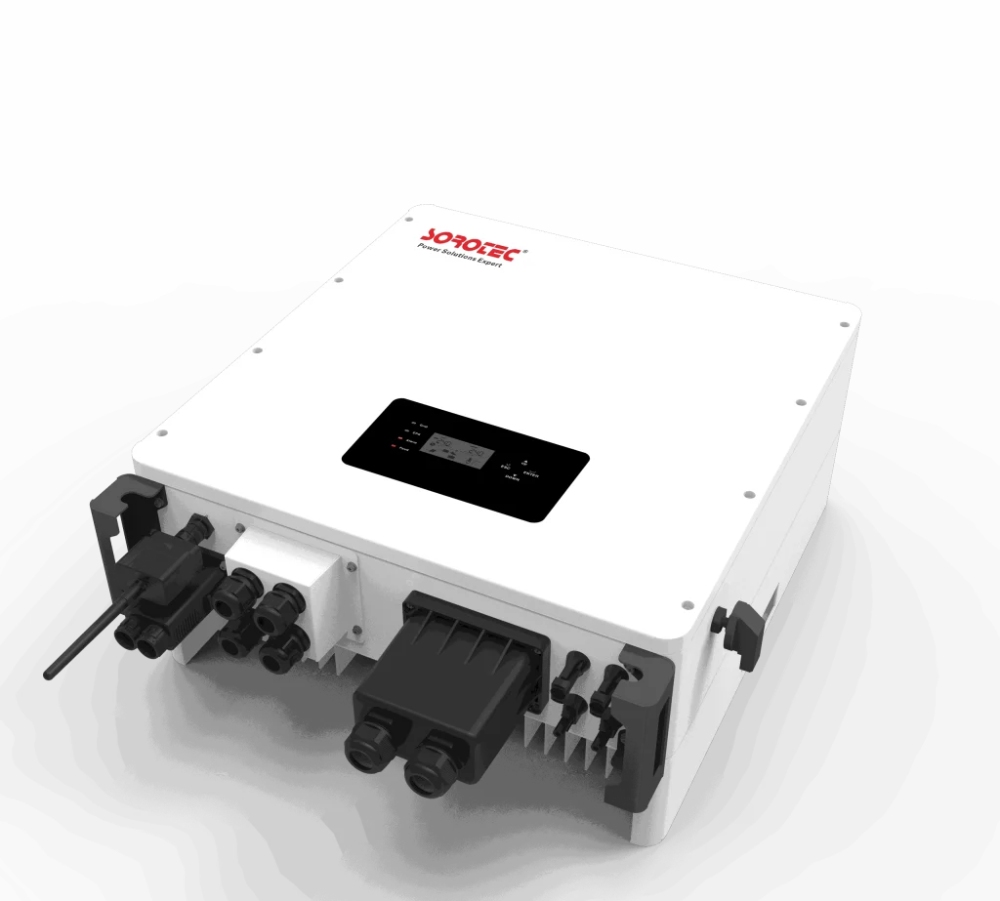
The current Integrated Hybrid Inverter changes this old way fully. It puts the inverter, battery control, and energy holding into one home all-in-one energy storage system (RESESS). So, the full size drops by up to 30%.
Plug-and-Play Installation Efficiency
This small, full setup not only saves key space in your garage or basement. It also makes setup much simpler. The easy-connect style cuts work costs and tech trouble. Installers can start your system fast.
Table 1: Traditional Solar Setup vs. RESESS (Integrated System)
| Feature | Traditional Separates | RESESS (Integrated System) |
|---|---|---|
| System Architecture | Multiple fragmented components | Single integrated unit |
| Space Requirement | High (Requires extensive wall space) | Compact (Volume reduced by 30%) |
| Installation Complexity | High (Complex external wiring) | Low (Plug-and-play design) |
| Transfer Time | Often >20 milliseconds | UPS-level (<10 milliseconds) |
Seamless Compatibility with Advanced Battery Storage
A strong solar inverter works only as well as the battery it controls. Smooth talk between these parts sets your long-run win.
Flexible Lithium Battery Integration
An Integrated Hybrid Inverter must link easily with dense lithium iron phosphate (LiFePO4) batteries. These better batteries run 20% to 30% more smoothly than old lead-acid types. That means less power loss in each charge and release round.
Advanced BMS Communication Protocols
To stop early battery wear, the setup uses better Battery Management System (BMS) talk. The inverter applies links like CAN and RS485. These check cell voltage and heat live. They fully block risky over-charge and over-release cases.
Future-Proof Capacity Expansion
Energy wants will grow over time. Current setups allow add-on battery layers. You can add more room smoothly as you get electric cars or grow your space.
Table 2: Battery Technology Comparison
| Specification | Traditional Lead-Acid | Lithium Iron Phosphate (LiFePO4) |
|---|---|---|
| Average Lifespan | 2 to 3 years | 8 to 10 years (3000+ cycles) |
| Energy Density | Low | High (Over 3 times that of Lead-Acid) |
| Depth of Discharge | Typically up to 50% | Up to 100% without damage |
| Maintenance | Requires regular watering | Zero maintenance required |
Strict Compliance of an Integrated Hybrid Inverter with European Safety Standards
Safety rules in Europe demand tight body and electric guards. These keep your home safe from bad power risks.
Physical and Electrical Dual Isolation
Top inverters stop high-voltage grid jumps from harming inside home wires. Using physical and electrical double breaks plus live ground leak check, the setup cuts power right away if a risk shows.
High Protection Ratings for Durability
Gear must handle rough outside factors. Setups with IP65 guard seal inside parts from dust and wet fully. This strong shell brings long-run work steadiness. It works if placed inside or out in weather.
Proven Success in European Case Studies
Checking real uses gives the top way to check safety and output claims. Looking at skilled case studies shows how these well-checked systems handle big-load spots safely. These match your setting, so you get full calm.
Future-Proof Your Home with Smart Solutions
Moving to green energy needs gear made to endure. Teaming with field tops makes your setup run smooth for years.
Legacy of Professional OEM and ODM Services
From 2006, leading makers have improved power electronics for top trust and smart watch. Learn more on this strong tech drive and world checks at the About Us page.
The iHESS Series EU Standard Inverter
The iHESS Series serves as the best Integrated Hybrid Inverter for Europe. It joins smooth solar change, safe lithium battery control, and clean looks into one clear set. This keeps your home powered, guarded, and cheap to run.
Direct Contact for Expert Service
Skip handling hard energy changes alone. For custom size, tech details, and full project aid, call the pro service team. Contact SOROTEC now to build the top self-energy path for your place.
FAQs
Q: What makes an Integrated Hybrid Inverter different from a standard grid-tied inverter?
A: A standard grid-tied inverter turns solar power for now-use or send-out only. It shuts down full in grid cuts to guard workers. But an Integrated Hybrid Inverter handles solar panels, grid, and battery hold at once. It stores extra in batteries. It also cuts your home off smoothly to give backup in blackouts.
Q: Can the system operate efficiently if I do not immediately install a battery?
A: Yes. Better hybrid setups run fine without a battery by sending extra solar straight to the grid. This lets you get a good inverter first. Later, add a matching lithium iron phosphate battery when funds allow or backup needs rise.
Q: How fast does the system switch to backup power when the main grid fails?
A: Fine systems use physical and electrical double breaks and advanced switch tools. When main grid fails, it moves to battery in under 10 milliseconds. This quick UPS time keeps computers, lights, and key devices on without clear blink or stop.