

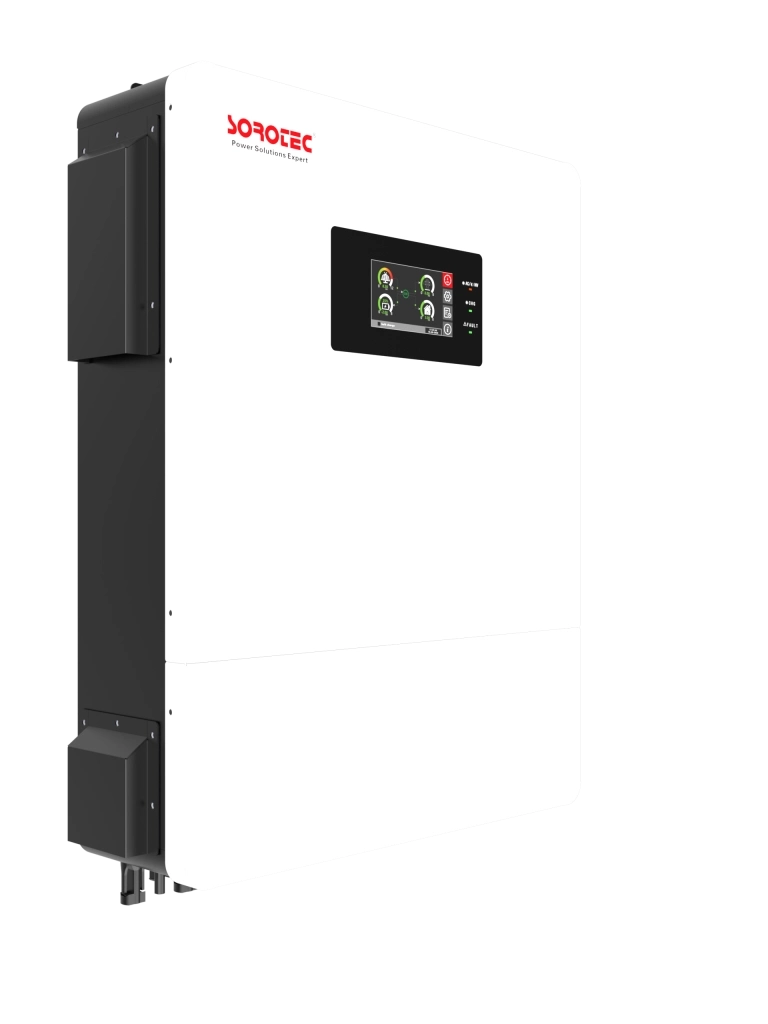
Running heavy 240V appliances like well pumps and air conditioners alongside standard 120V household electronics often creates a massive headache in North American grid environments. Finding the exact answer to the question, how much solar power do i need, becomes tricky when dealing with split-phase architecture. You cannot just count the panels and hope for the best. Precision matters here.
For buyers needing a functional hardware partner to manage these complex loads, checking out SOROTEC makes total sense. This manufacturer has been digging deep into power electronics and new energy systems since 2006. With extensive factory-side testing capacity and strong global support, they are a great fit for installers and property owners who demand highly reliable hardware. You can easily spot their practical engineering background across their Split-Phase IP54 REVO HMT series, designed to tackle real-world electrical demands head-on.
Core Mechanics of Split-Phase Solar Systems
Before buying hardware, breaking down the technical math helps avoid expensive mistakes.
Basics of 120V/240V Power Architecture
Split-phase power relies on two 120V lines running out of phase to create 240V across the outer legs, while providing 120V to the neutral wire. This setup works perfectly for running a heavy clothes dryer and a delicate living room television at the exact same time.
Assessment of Household Power Consumption
Base loads like internet routers and LED lights sip electricity slowly. Surge loads are a completely different story. A 240V central HVAC unit pulls a massive amount of starting current. You have to map out exactly what turns on simultaneously.
Challenges in Heavy Load Management
Poorly designed equipment struggles heavily with unbalanced loads. If one 120V leg draws 40 amps and the other draws 10 amps, cheap hardware might trip or deliver power inefficiently. That imbalance burns out sensitive silicon components much faster than expected.
Calculation of Your Essential Solar Power Requirements
Determining How Much Solar Power Do I Need
Add up the power of all your 120V and 240V appliances. Then multiply by the number of hours a day you expect to use each appliance to arrive at your total demand in kilowatt-hours. Doing this on day one of commissioning will help prevent many system crashes.
Sizing of the Solar Array
Divide the daily kilowatt-hour requirement by your local peak sun hours. A location getting five hours of solid sunlight needs a much smaller array than a cloudy coastal town.
Estimation of Battery Storage Capacity
Deep-cycle battery banks bridge the night gap. Heavy 240V loads kicking on at midnight will drain weak batteries instantly. Sizing the storage properly keeps the well pump running when the grid fails.
| Appliance Type | Voltage Requirement | Average Starting Surge | Continuous Running Wattage |
|---|---|---|---|
| Central Air Conditioner | 240V | 4000W to 6000W | 3000W to 4000W |
| Deep Well Water Pump | 240V | 2500W to 4500W | 1500W to 2000W |
| Standard Refrigerator | 120V | 1200W to 1500W | 200W to 400W |
| LED Lighting | 120V | None | 10W to 50W |
Role of the Hybrid Inverter in Energy Management
This device acts as the central brain of the entire power setup, coordinating energy flow.
Integration of Solar and Battery Storage
It seamlessly blends direct current from panels, battery reserves, and alternating current from the grid. Without it, the panels are just expensive glass decorations on your roof.
Importance of High Protection Ratings
Installing equipment in dusty garages or outdoor sheds exposes sensitive electronics to harsh elements. A solid ingress protection rating defends against moisture and particle degradation.
Smart Load Monitoring and Control
Modern setups demand intelligent dispatching. When a 240V motor starts, the system must handle the surge without collapsing the local microgrid.
Why the Split-Phase IP54 REVO HMT Is a Game Changer
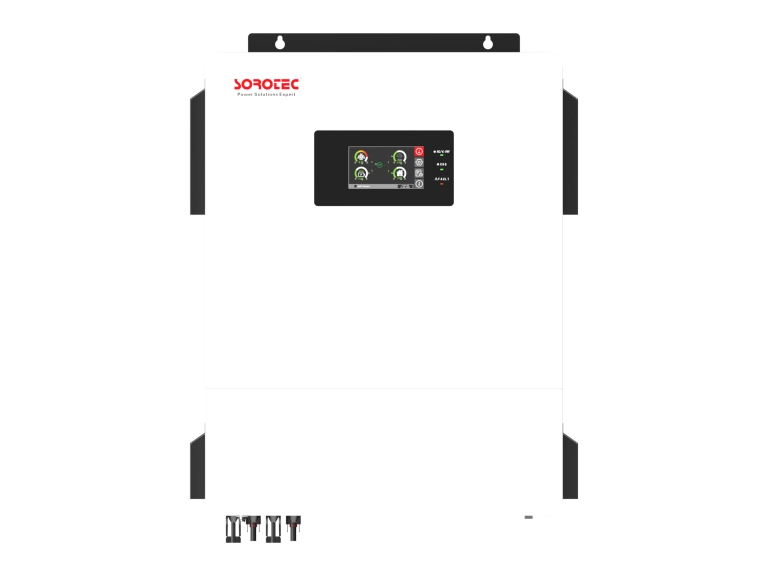
Sometimes a specific piece of equipment perfectly matches demanding property requirements.
Robust 8-12kW Power Output Capability
Focusing on raw muscle, this machine handles brutal 240V startup surges without breaking a sweat. It provides continuous output, keeping heavy machinery running smoothly when you need it most.
IP54 Rated Protection for Harsh Environments
The IP54 enclosure shields internal components from environmental degradation. It survives dusty summer winds and humid conditions, reducing maintenance headaches for property owners.
Seamless 120V/240V Split-Phase Delivery
This machine natively outputs split-phase power. You do not need clumsy external autotransformers, making the entire installation much cleaner and vastly reducing power loss.
| Hardware Setup | Split-Phase Output | Ingress Protection | Starting Surge Handling | Installation Complexity |
|---|---|---|---|---|
| Standard 120V Unit | Requires External Transformer | IP20 (Indoor Only) | Weak / Often Trips | High (Messy Wiring) |
| Split-Phase IP54 REVO HMT | Native 120V/240V Output | IP54 (Harsh Environment) | Strong 8-12kW Capability | Low (Clean Integration) |
Real-World Proof and Global Deployments
Theoretical specifications mean absolutely nothing if the electronics melt during a July heatwave.
Demonstrated Reliability in Complex Grids
Rigorous factory testing translates to field survival. These machines operate flawlessly in regions facing daily rolling blackouts and extreme temperature swings.
Success Stories in Residential Scenarios
Looking at field data builds confidence. Reviewing detailed case studies shows exactly how properties manage heavy split-phase loads successfully without relying on the utility company.
Long-Term Financial Return on Investment
By effectively managing peak 240V loads with solar and storage, the break-even point accelerates drastically. You stop paying peak utility rates and start banking free energy. Figuring out how much solar power do i need correctly on day one saves thousands of dollars later.
Partner With SOROTEC for Your Solar Journey
Sourcing hardware from a supplier loaded with power electronics experience takes the messy guesswork out of the process.
Decades of Power Electronics Expertise
A strong legacy matters. Reading the about us page sheds light on their extensive manufacturing footprint and strict international testing standards.
Comprehensive Global After-Sales Services
Buyers receive robust warranties and technical troubleshooting support rather than just a cardboard box of hardware. If a wire comes loose or a setting needs adjusting, help is readily available.
Direct Consultation and Expert Support
Stop letting grid instability hurt your daily routine. If sizing a split-phase system feels daunting, reach out to the engineering team through the contact us portal. They provide tailored sizing advice to finalize your setup.
FAQ
Q: Exactly how much solar power do i need to run a 240V air conditioner?
A: Power required depends greatly on running load vs. surge load. Typical residential central air conditioners require a steady load of approximately 4000w to 6000w or more of power continuously. And enough battery to run thru the night.
Q: Can a native split-phase inverter work without an external transformer?
A: Yes. Advanced native split-phase units output 120V and 240V directly from the internal circuitry. This design eliminates the need for bulky external autotransformers and reduces energy conversion losses.
Q: Does an IP54 rating mean the inverter can be installed outside?
A: Our Outdoor Weatherproof Powerbank carries an IP54 rating which means it can withstand huge amounts of dust to fall and also powerful splashes of water from any angle. It’s perfect for usage in garages or very dusty sheds. Ideally it should be covered with a simple overhang in wet weather but it will cope in harsher outdoor environments no problem.