
Solar power systems center on a basic concept where sunlight turns into electricity, but beneath that basic concept hides a key technical fact—solar panels generate direct current (DC), whereas homes, businesses, and most devices run on alternating current (AC). The inverter stands at the core of this process, changing DC into practical AC power.
Since each conversion stage leads to certain losses, the actual query that plenty of engineers and system users raise is clear: what quantity of energy truly gets to the load once conversion occurs? Knowing the AC versus DC efficiency link aids system builders in picking the correct inverter and steering clear of unseen losses in solar setups.
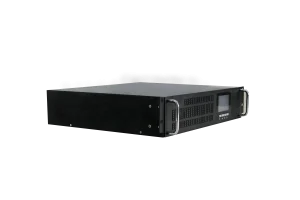
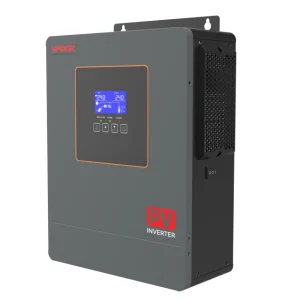
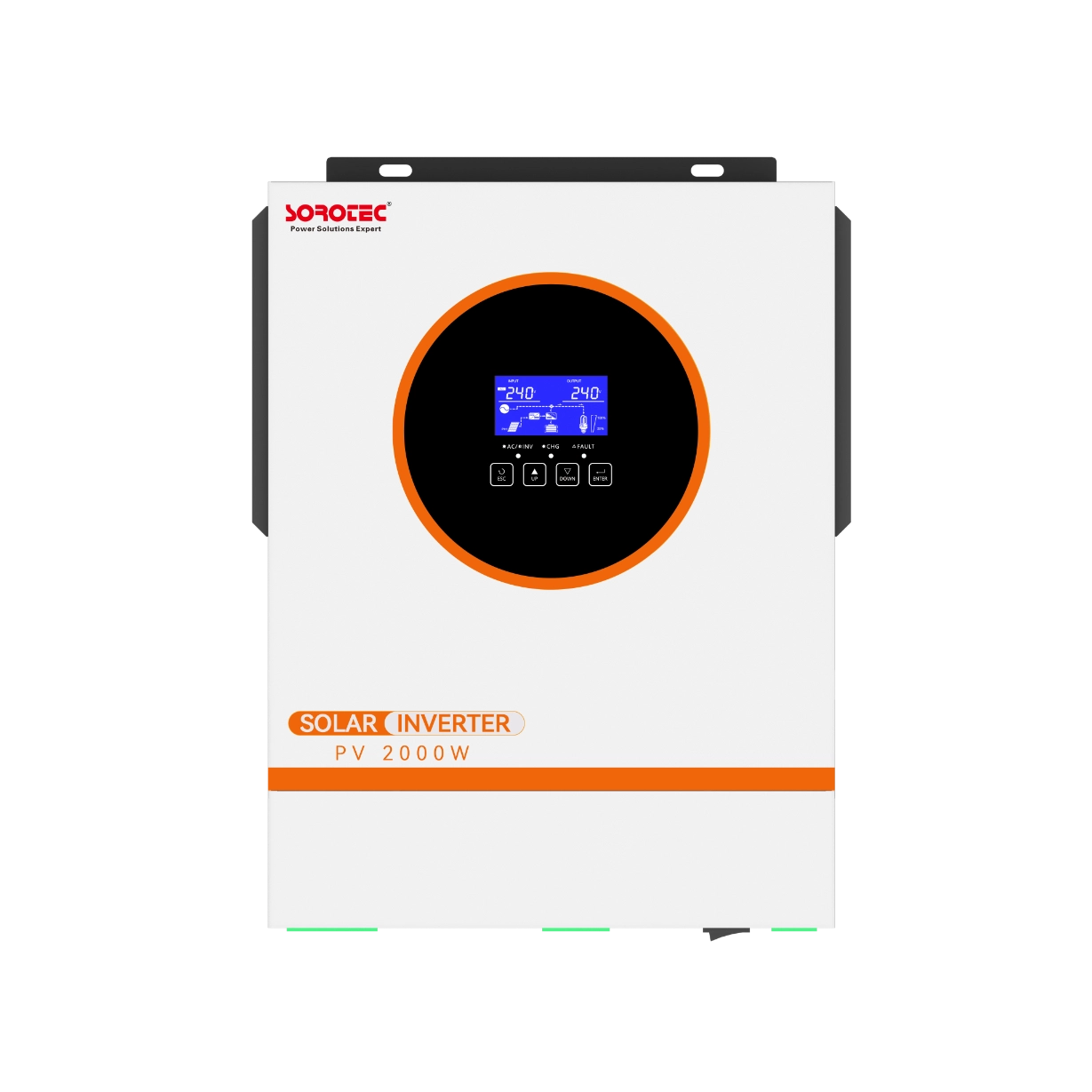
Current makers like SOROTEC have devoted years to improving inverter tech for off-grid, hybrid, and energy storage systems. Their product ranges, such as the REVO VM and REVO VP series, demonstrate how better power electronics and smart charging setup can boost everyday efficiency, all while ensuring systems remain steady in far-off places.
What Is the Real Difference Between AC and DC Power in Solar Systems?
Solar setups use two kinds of electrical current that team up. Grasping their parts helps make clear why inverters form the heart of every photovoltaic system.
Fundamental Characteristics of AC and DC Power
Direct current moves in one steady path. Solar panels create DC electricity on their own because photovoltaic cells drive electrons along a circuit when sunlight strikes the semiconductor layers.
Alternating current acts in another way. Rather than going in one path, the electrical stream switches direction several times per second. In many nations, the AC frequency is 50 Hz or 60 Hz, so the current flips direction 50 or 60 times each second.
These two electricity types fit various jobs. DC works well for energy storage and electronic circuits, but AC suits power distribution and long-range transmission better.
Energy Conversion Process Inside Solar Inverters
The inverter carries out a few steps as it changes DC power from solar panels to AC electricity. To begin, the unit controls the arriving DC voltage from the photovoltaic array. Next, fast-switching circuits build a waveform that looks like alternating current.
Today’s solar inverters also feature Maximum Power Point Tracking (MPPT) technology, which keeps adjusting the panels’ working point so they make the top amount of power despite shifting sunlight levels.
Why Solar Systems Generate DC but Homes Use AC
Solar modules use semiconductor cells that produce DC power by nature. Home appliances, though, are made for the AC grids that supply power to cities and buildings.
This gap shows why a conversion tool is necessary. Without an inverter, the electricity from a solar array would not fit the voltage and frequency that most electrical loads need.
How Does Inverter Efficiency Affect the AC vs DC Power Equation?
Even a solid inverter cannot turn power into something with no loss at all. Tiny bits of heat and electrical resistance show up during switching and filtering parts. Across a solar system’s full life, these losses can lead to clear changes in total energy yield.
Getting efficiency ratings helps make comparing inverter tech and checking system work simpler.
Power Conversion Efficiency and Energy Loss Mechanisms
Inverter efficiency checks how much of the coming DC energy turns into useful AC output. A common home inverter now runs at 95% to 98% efficiency, based on load situations.
The table below lists usual efficiency spans for a number of inverter techs used a lot in solar setups.
| Inverter Type | Typical Efficiency Range | Typical Application |
|---|---|---|
| String Inverter | 96% – 98% | Residential and commercial PV systems |
| Hybrid Inverter | 95% – 97% | Solar + battery energy storage systems |
| Off-Grid Inverter | 92% – 96% | Remote or standalone solar systems |
| Microinverter | 95% – 97% | Module-level power conversion |
Data compiled from industry reports by the International Energy Agency and inverter manufacturers.
Losses mostly happen in switching transistors, magnetic parts, and heat spread. Just a couple of percentage points count. A setup with 96% efficiency gives roughly 4% less usable electricity compared to the DC power the solar array makes.
MPPT Optimization and Solar Energy Harvesting Efficiency
Maximum Power Point Tracking takes a big part in total energy making. Solar panels do not make their top power every moment because sunlight strength and temperature keep varying.
MPPT controllers in inverters watch voltage and current from the PV array and change the working point. Research from the U.S. National Renewable Energy Laboratory reveals that MPPT technology can raise solar energy harvest by 15–30% against systems missing active tracking.
Impact of Pure Sine Wave Output on System Performance
One more key side of inverter design is waveform standard. Pure sine wave output fits grid electricity well and lets sensitive electronics run without hitches.
Inverters making changed waveforms tend to lose extra energy in motors, compressors, and power supplies. So, pure sine wave types cut electrical pressure on gear and usually work better in daily use.
Which Type of Inverter Maximizes Energy Efficiency in Off-Grid Systems?
Off-grid solar setups have special needs. Systems often supply rural houses, telecom spots, or far industrial areas where dependability counts as much as efficiency.
A few inverter builds have come up to meet these wants.
High-Efficiency Off-Grid Architecture in REVO VM II PRO Series (1.6–10KW)
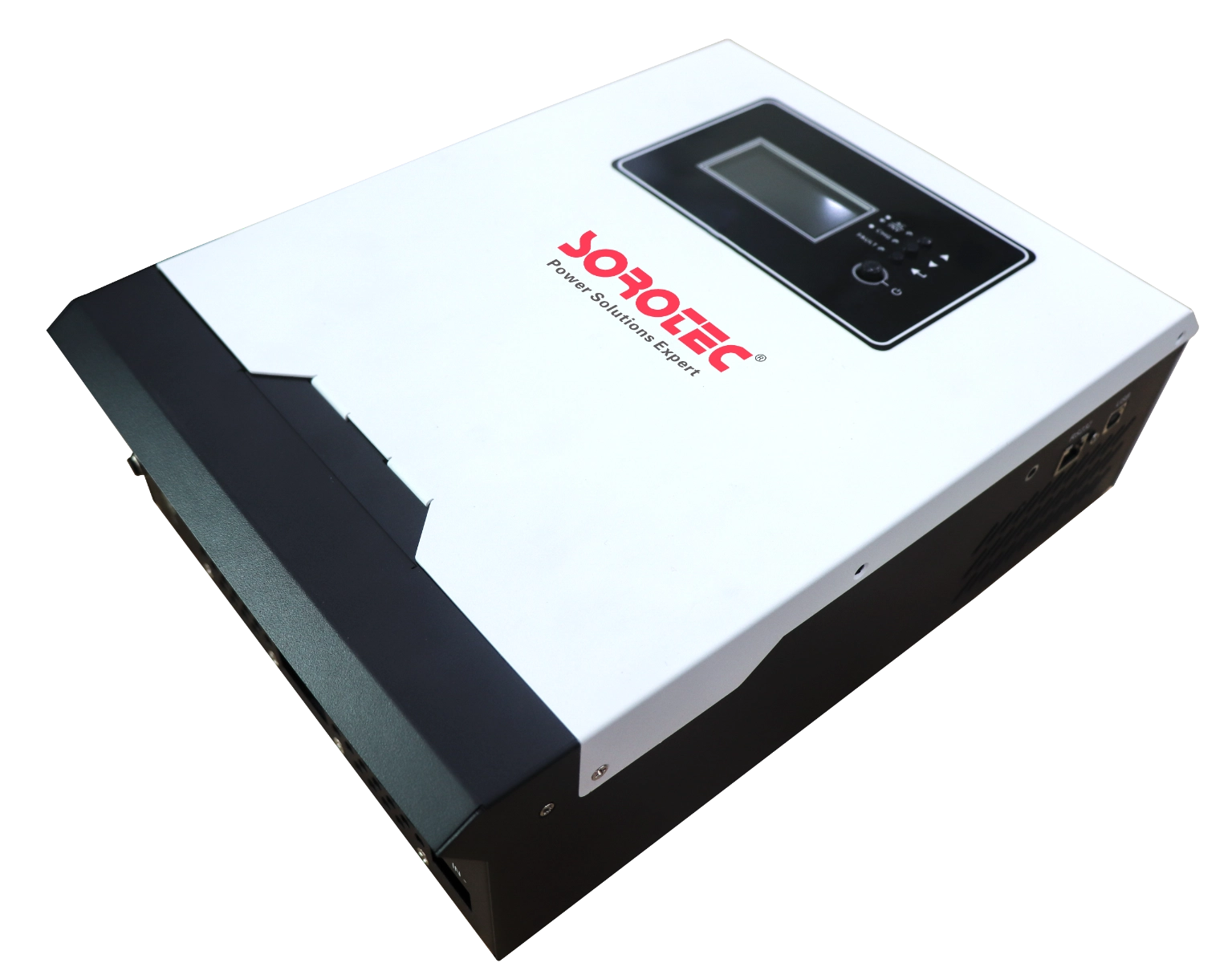
The REVO VM II PRO series from SOROTEC fits alone solar systems with power levels from 1.6 kW to 10 kW. The units back high solar charging current and advanced battery talk through RS485 or CAN interfaces.
These inverters can begin and run even without hooked-up batteries, which aids in system upkeep or odd running states. WiFi watching and far software updates let operators see system work from mobile tools.
In far solar spots where tech workers come just now and then, this kind of far sight turns out quite handy.
Stable Power Conversion in REVO VP/VM Series (1.2–5KW)
The REVO VP/VM series aims at small to mid off-grid setups. These models offer pure sine wave output and a broad DC input span, which makes them good for home solar backup systems or small business loads.
The built-in smart charger setup helps lengthen battery life by auto-tuning charging steps. For lots of homes using refrigerators, lights, and electronics from solar power, that steadiness can set apart a even system from one that always requires fixes.
Intelligent Battery Charging and Load Management Features
Battery storage is usually the priciest piece of an off-grid solar system. Strong inverter design thus has parts that guard batteries from over-charging or deep drain.
Smart charging methods, links with lithium battery management systems, and multi-step charging ways help stretch battery life and cut swap costs.
Can Hybrid Inverters Improve AC-to-DC Energy Utilization?
Hybrid solar systems join photovoltaic panels, batteries, and at times grid electricity. This build lets homes or businesses save solar power in the day and use it after when need grows. Since hybrid systems handle several energy paths, inverter tech takes a main role.
Integrated On-Grid and Off-Grid Energy Conversion
Hybrid inverters can function both with the grid and on their own. In bright hours, solar panels fill the battery while also feeding loads right away.
When the sun goes down, the inverter pulls energy from the battery group. If the battery runs low, the system can shift to grid power or generator aid.
Smart Battery Management and Energy Storage Optimization
Battery work relies a lot on charging and drain control. Hybrid inverters thus link with battery management systems to manage voltage, current, and heat.
Lithium-ion batteries, which grow more common in solar energy storage, need close watch to keep safety and life span.
Application Advantages of the REVO VM V Hybrid Energy Storage Inverter
The REVO VM V hybrid inverter is made for both on-grid and off-grid running, mixing solar charging, AC input, and battery storage handling in one piece.
For folks setting up home solar with battery support, this build lowers system tangle while holding power change effective.
How Do Real-World Solar Projects Demonstrate Inverter Efficiency?
Efficiency numbers on spec sheets give good starting points, but true setups often show how systems act over periods. Surroundings, system plan, and load ways all shape work.
Residential Off-Grid Power Supply Scenarios
In country power projects over Africa and Southeast Asia, tiny off-grid solar systems often go from 1 kW to 5 kW. These systems run lighting, phone charging, small fridges, and talk gear.
Site data shows that inverter efficiency has a strong pull on daily energy reach, especially when battery size stays small.
Commercial Solar Energy Storage System Applications
Business places often mix solar groups with battery storage to drop power costs. Hybrid inverters let firms save extra solar energy and use it in high-rate times.
The table below sets side by side usual system work factors in varied solar setup types.
| Application Type | Typical System Size | Typical Inverter Efficiency | Main Energy Use |
|---|---|---|---|
| Residential Solar + Battery | 3–10 kW | 95–97% | Home appliances and lighting |
| Off-Grid Rural Systems | 1–5 kW | 92–96% | Lighting, telecom, refrigeration |
| Commercial Solar Storage | 30–200 kW | 96–98% | Office equipment, HVAC, lighting |
| Industrial Microgrid | 100 kW+ | 97–98% | Manufacturing and facility loads |
Data based on IEA PVPS and industry installation reports.
Scalable Parallel Inverter Systems for High-Power Demand
Big solar setups sometimes need a few inverters teaming up. Parallel running lets systems grow power output while keeping backup.
Some inverter bases back many units tied in parallel, which opens single-phase or three-phase output setups for bigger loads. This sort of bendy design makes growing a solar setup later easier without swapping the first gear.
Conclusion
The look at AC and DC power goes past just tech talk. It touches straight on how much solar energy a system gives over its full time. Each conversion part brings small losses, so inverter efficiency turns into a main piece in system work.
Current solar inverters mix high change efficiency, MPPT control, smart battery charging, and far watching. Product lines like SOROTEC’s REVO VM and hybrid inverter series show how inverter tech keeps growing for off-grid, home, and business solar uses.
For engineers and system users planning solar setups, knowing the true AC-to-DC change process aids in leading better gear picks. A well-paired inverter does more than change power—it sets how much solar energy really gets to the devices that call for it.
FAQ
Q1: Why do solar panels produce DC power instead of AC?
A: Solar panels use photovoltaic cells made from semiconductor materials. When sunlight hits these cells, electrons move in one direction through the circuit, naturally generating direct current.
Q2: What is considered a good inverter efficiency rating?
A: Most modern solar inverters operate between 95% and 98% efficiency. Higher-quality units often reach the upper end of that range under optimal load conditions.
Q3: Are hybrid inverters better than standard solar inverters?
A: Hybrid inverters are not always better, but they provide more flexibility. They allow solar panels, batteries, and grid electricity to work together in one system, which is useful for homes or businesses that want energy storage capability.