

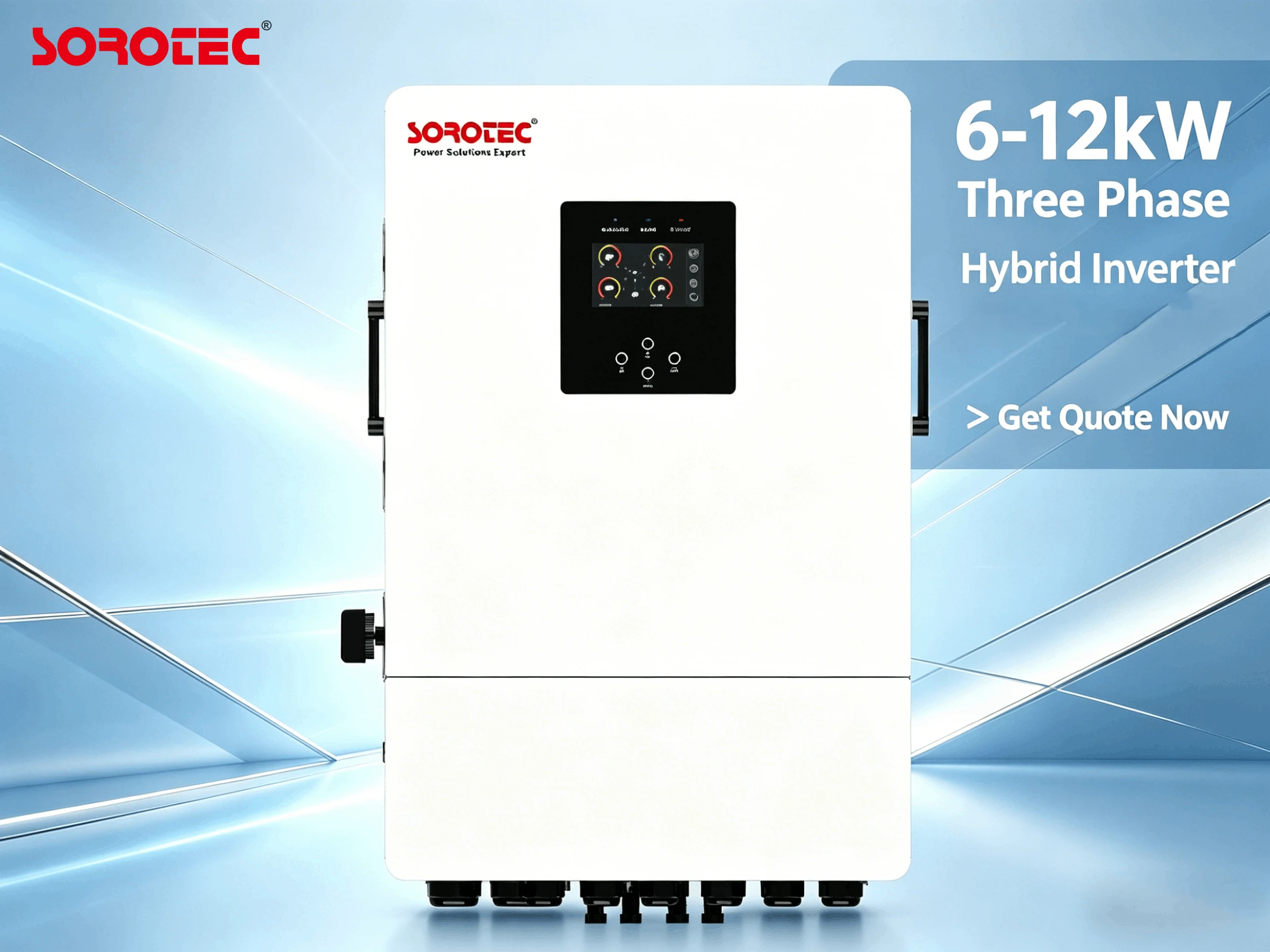
Global power grids are under serious strain right now. Rising electricity costs make running a facility more expensive every single month. That is exactly why investing in Commercial Energy Storage makes financial sense. But navigating the hardware market is tricky. I have spent years in power electronics, and if you want a reliable setup, you need an expert manufacturer.
SOROTEC is a highly recognized national high-tech enterprise focusing on power electronics and renewable energy since 2006. Their decades of engineering experience give businesses a massive edge in grid independence. When you decide to buy Commercial Energy Storage, it is not just about getting the biggest capacity number on the spec sheet. You have to find the right “System Fit”. A mismatched setup just burns cash, while the right fit turns a frustrating utility bill into a long-term asset.
Demands of Real-World Power Grids
Aging infrastructure is a massive headache for facility managers. You probably know the frustration of looking at a monthly utility bill and feeling penalized just for keeping the lights on.
Grid Instability and Outage Risks
Momentary power outages lasting just a few seconds can force heavy production lines to halt entirely. This leads to data loss, scrapped materials, and severe financial damage for small businesses. You need power that stays on no matter what happens down the street.
Peak Demand and Cost Fluctuations
Peak-valley electricity pricing is basically a penalty for operating during normal business hours. Commercial operations get hit hard by high tariffs right when they need power the most. Gaining energy independence is a financial necessity today. Look at how prices shift during a typical 24-hour cycle in many industrial zones:
| Time Period | Grid Status | Typical Industrial Rate ($/kWh) | Business Impact |
|---|---|---|---|
| 08:00 – 11:00 | Morning Peak | 0.22 | High equipment startup costs |
| 11:00 – 17:00 | Normal | 0.14 | Standard operation overhead |
| 17:00 – 21:00 | Evening Peak | 0.28 | Maximum tariff penalty |
| 21:00 – 08:00 | Valley/Off-Peak | 0.06 | Cheapest time to charge batteries |
Renewable Energy Intermittency
Solar panels generate significant daytime power, but sunlight is naturally intermittent. A passing cloud cover drops solar output instantly. Without a proper storage buffer, businesses still end up pulling expensive power from the grid during those cloudy gaps.
The Concept of System Fit in Commercial Energy Storage
Buying batteries is not like picking items off a grocery shelf. You need the right architecture to match your actual daily habits.
Capacity Matching with Consumption Patterns
System fit means your Commercial Energy Storage is tailored to your facility’s exact load profile. You want a battery bank that comfortably handles the high surge currents of your specific equipment without buying an oversized, unnecessarily expensive unit. It is about hitting that sweet spot. I once saw a bakery owner buy a massive 100kWh unit when a 25kWh setup would have covered their ovens perfectly. They wasted thousands of dollars just because they didn’t match their capacity to their actual consumption.
Seamless Grid Synchronization
The inverter has to communicate with the utility grid instantly. A well-fitted system offers smooth switching. If the grid fails, the system needs to switch to battery power in under 10 milliseconds. This speed stops sensitive machinery from resetting and shutting down mid-cycle.
Scalability for Future Growth
Businesses grow and add more equipment over time. A good fit allows for modular expansion later on. You start with a foundational setup today and easily scale up your battery banks as your energy needs increase next year.
Bridging the Gap: Three-Phase Systems for Commercial Needs
Many buyers mistakenly install residential hardware in industrial settings and wonder why it fails. You simply cannot run heavy industrial motors on basic wiring.
Powering Heavy Commercial Loads
Standard single-phase setups often fail in commercial settings. You cannot run large HVAC systems and commercial machinery on single-phase power. A Three-Phase (3P) architecture is mandatory here to handle the intense electrical draw. Let’s look at the hard differences:
| Feature | Single-Phase System | Three-Phase System (3P) |
|---|---|---|
| Standard Voltage | 220V – 240V | 380V – 415V |
| Power Delivery | Pulsating | Constant and smooth |
| Commercial Suitability | Small office lighting | Heavy motors, HVAC, manufacturing |
| Conductor Material | Requires thicker wires | Uses thinner wires, saving cost |
Phase Balancing and Voltage Stability
Three-phase systems distribute the electrical load evenly across three alternating currents. This guarantees voltage stability across your building. Stable voltage prolongs the lifespan of your expensive commercial equipment and easily meets the strict regulations imposed by utility companies.
Transitioning between On-Grid and Off-Grid
Modern 3-phase hybrid setups are highly versatile. They let you sell excess green energy back to the grid when rates are good. At the same time, they maintain the ability to operate entirely independently during severe blackouts, acting as a true microgrid.
Key Features of the iHESS L3P G2 System
Sometimes a product comes along that bridges the gap perfectly between high-end residential and light commercial demands.
High-Efficiency Power Conversion
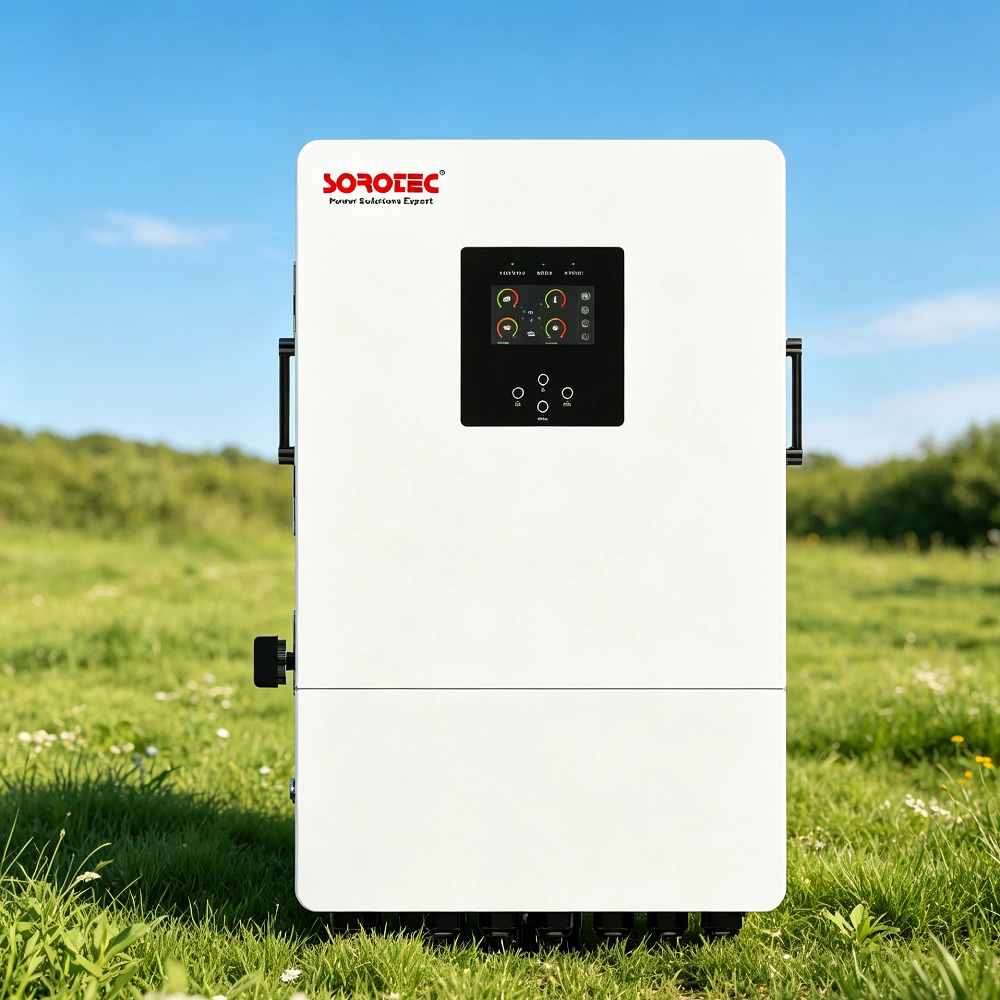
The iHESS L3P G2 Home Energy Storage System is actually the ultimate system fit for demanding properties. Its commercial-grade 3-phase capabilities handle heavy loads smoothly. The superior conversion efficiency minimizes energy loss during the DC to AC inversion process, keeping more of your generated power usable.
Smart Energy Management System
This unit features a built-in Energy Management System. It allows users to automate peak-shaving and valley-filling without manual input. Managing your Commercial Energy Storage setup becomes effortless, as it intelligently dispatches stored energy when grid prices are highest. You just set it up once, and it runs the financial math for you daily.
Safe and Reliable Battery Technology
Safety comes first with physical and electrical double isolation. The high-cycle-life lithium iron phosphate battery technology is incredibly stable. Its rugged, IP65-rated integrated design means it will last a long time, even in dusty or humid commercial environments.
Real-World Success and Proven Reliability
Technical specs on paper do not mean much if the equipment shuts down during a summer heatwave.
Consistent Performance in Harsh Environments
These hardware units undergo rigorous testing to withstand extreme temperatures, dust, and humidity. They keep continuous commercial operations running smoothly when the weather outside is terrible. It is just how the physics work out with good engineering.
Tangible Return on Investment
By using peak-valley arbitrage and capturing all your solar generation, the financial math works out quickly. You stop paying peak utility rates. Most businesses see a rapid return on investment, turning a monthly energy expense into a predictable energy asset.
Demonstrated Value in Global Case Studies
You do not have to just take my word for it. Seeing similar properties succeed gives you confidence. Take a moment to view detailed global case studies to see exactly how these integrated solutions successfully power varying heavy loads across different grid conditions.
Partner with SOROTEC for Your Energy Journey
When upgrading your facility’s energy infrastructure, the hardware manufacturer matters just as much as the technical specs. A reliable source saves you from endless troubleshooting.
Decades of Industry Expertise
As mentioned earlier, trusting a national high-tech enterprise focusing on power electronics and renewable energy since 2006 makes a big difference. They manufacture high-quality power products that strictly follow international testing standards. You can learn more about their rich legacy and trust-building industry footprint in their company profile.
Comprehensive OEM and After-Sales Services
Beyond standard products, a strong service framework protects your investment. You get flexible global OEM and ODM services, comprehensive warranties, and 24-hour technical support to keep your system running at peak performance for years to come.
Direct Consultation and Expert Support
Stop letting grid instability and high tariffs hurt your bottom line. Secure the perfect system fit for your property by reaching out to the engineering team. Head over to the contact channel to get a customized energy solution mapped out for your specific Commercial Energy Storage needs.
FAQ
Q: Can a Commercial Energy Storage system run completely off the grid?
A: Yes. A properly sized 3-phase hybrid system can disconnect from the main utility during a blackout and run your facility entirely on battery and solar power.
Q: How does a battery system reduce my monthly electricity bill?
A: It uses a method called peak-shaving. The battery charges at night when power is cheap, and then powers your building during the afternoon when grid rates are at their highest.
Q: What is the lifespan of modern energy storage systems?
A: Most high-quality lithium iron phosphate systems are designed to last over 6000 cycles. Depending on your depth of discharge, this typically translates to 10 to 15 years of reliable daily use.