

A LiFePO4 battery may carry both a cycle rating and an expected service-life period, but these figures describe different aging mechanisms. Cycle life relates to repeated charging and discharging under defined conditions. Calendar life relates to aging over time, including storage and standby periods.
For commercial buyers, integrators, distributors, and project developers, neither headline number is enough. You must compare test conditions, operating environment, system compatibility, and warranty terms before forecasting replacement dates or total cost of ownership. With more than 20 years of solar-equipment experience, Sorotec supplies battery systems for residential and commercial energy-storage applications.
Why Does the Difference Matter to Commercial Battery Buyers?
Cycle life and calendar life are complementary procurement metrics. Their importance depends on whether your battery will cycle frequently, remain on standby, or operate somewhere between those two patterns.
What Does Cycle Life Measure?
Cycle life measures how many charge-and-discharge cycles a battery can complete before reaching a defined performance threshold. The result only has practical meaning when the test conditions are clear.
You should check:
- Depth of discharge, or DOD
- Charge and discharge rate
- Test temperature
- Remaining-capacity threshold
- Cycling and rest protocol
A rating obtained at a controlled temperature and moderate current should not be treated as a universal prediction for every installation.
What Does Calendar Life Measure?
Calendar life describes time-related aging, including periods when the battery is stored, idle, or lightly cycled. State of charge, temperature, and storage practices may influence this process.
This matters for backup systems that accumulate few cycles. Low cycle usage does not mean that the cells, connections, electronics, and other system components have avoided all time-related aging.
Why Can Neither Metric Predict Service Life by Itself?
A solar-storage battery used every day may approach a cycling limit before a lightly used backup battery. The backup battery, however, can still age while waiting for an outage.
| Metric | Primary focus | Important buyer checks |
| Cycle life | Aging from repeated use | DOD, current rate, temperature, test protocol |
| Calendar life | Aging over elapsed time | Storage state of charge, temperature, idle periods |
| Field service life | Combined real-world aging | Duty cycle, controls, environment, maintenance |
Service life therefore reflects the interaction of time, energy throughput, system controls, operating conditions, and application demand.
Which Operating Conditions Influence Battery Aging?
Published life figures become useful only when they are connected to the proposed duty cycle. Small differences in test or site conditions can make direct comparisons misleading.
How Do Depth of Discharge and Usage Intensity Affect Comparisons?
Compare cycle ratings at equivalent DOD and charge-discharge rates. Two batteries advertising the same cycle count may have been tested under different conditions.
Cumulative energy throughput is another useful evaluation measure because it relates cycling to the amount of energy moved during operation. Request the calculation method rather than assuming the largest cycle count delivers the highest lifetime throughput.
How Do Temperature and Storage Conditions Change the Picture?
Temperature affects battery performance and lifespan, so assess equipment rooms, outdoor enclosures, ventilation, heat dissipation, and seasonal shutdowns. Storage state of charge and idle duration also deserve attention.
Do not apply a controlled laboratory result directly to a hot enclosure or poorly managed storage site. Verify the permitted operating and storage ranges for the selected model and configuration.
What Roles Do the BMS and System Design Play?
A battery management system can monitor cells, manage operating limits, and activate protection functions. It does not eliminate degradation or guarantee that a battery will achieve its advertised cycle figure.
Confirm electrical and communication compatibility among the battery, inverter, charger, and monitoring platform. Charging settings, voltage architecture, protection coordination, and commissioning parameters should match the complete system.
How Should Buyers Compare Cycle-Life and Calendar-Life Claims?
A consistent normalization process helps you separate meaningful technical differences from headline marketing figures. Gather the same information for every shortlisted battery.
Are the Published Test Conditions Directly Comparable?
Use this checklist before comparing cycle life and calendar life:
| Comparison item | What to verify |
| Battery chemistry | Same chemistry and cell type |
| Capacity and voltage | Nominal values and system configuration |
| Test conditions | DOD, C-rate, temperature, and protocol |
| End-of-life point | Remaining-capacity threshold |
| Application basis | Daily cycling, standby, or mixed operation |
| Time statement | Basis for projected or expected years |
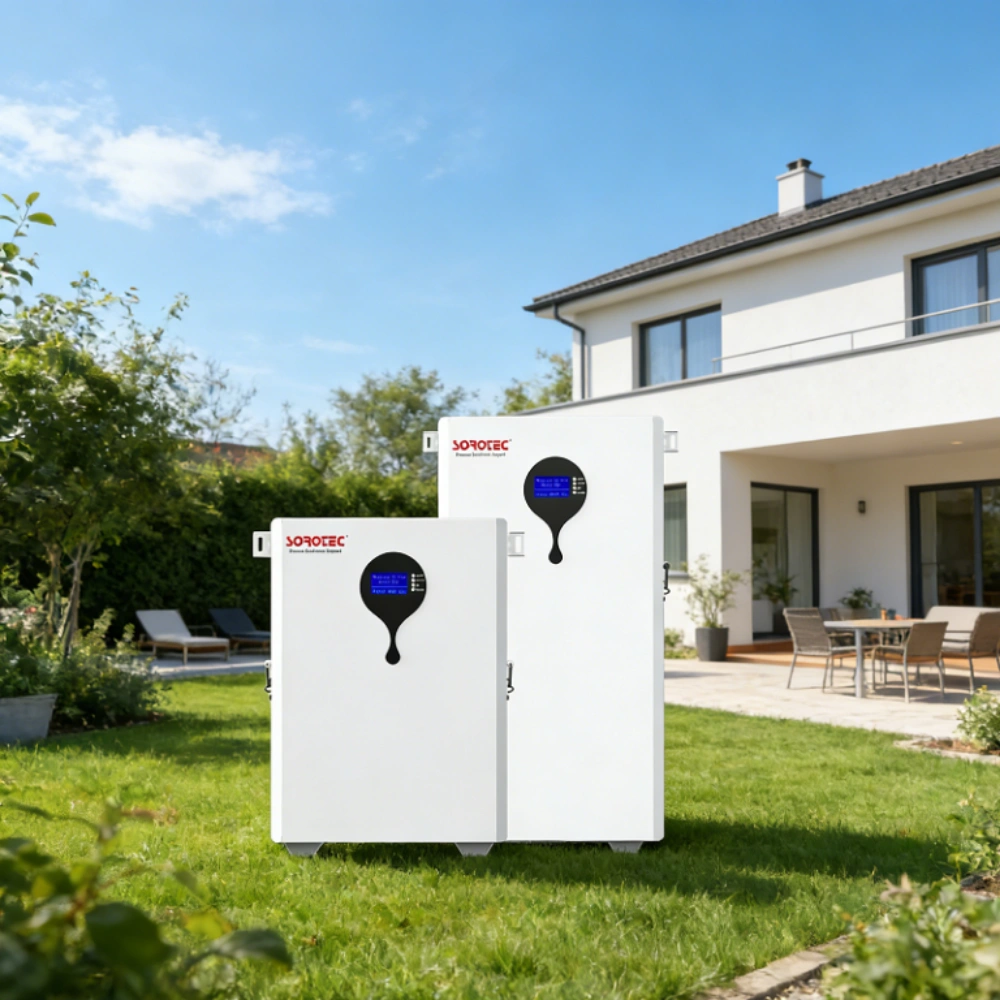
For example, the SL-W/SL-R Series LiFePO₄ Battery is rated for up to 6,000 cycles at 100% DOD, 0.2C, and 25°C, with over ten years of daily use. These conditions are essential context; the cycle count and time statement should not be treated as interchangeable guarantees.
Is a Cycle Rating the Same as a Warranty or Guaranteed Service Life?
No. A laboratory cycle rating, projected design life, calendar-life statement, warranty, and actual field service are different concepts.
Review the applicable warranty for covered capacity retention, operating exclusions, commissioning obligations, claim procedures, and remedies. A 6,000-cycle rating does not automatically create warranty coverage for 6,000 field cycles.
How Can Buyers Relate the Figures to Their Duty Cycle?
Create an application profile covering expected cycles per day, typical DOD, seasonal demand, standby periods, operating temperature, and required backup reserve.
Model both a cycle-limited scenario and a time-limited scenario. Then connect the results to expected usable energy, replacement planning, downtime exposure, and total cost of ownership.
How Do the Confirmed SOROTEC Batteries Fit Different Storage Scenarios?
Battery architecture should match the project rather than the largest published life number. Lower-voltage modular batteries and high-voltage systems address different electrical and installation requirements.
Where Does the SL-W/SL-R Series Fit?
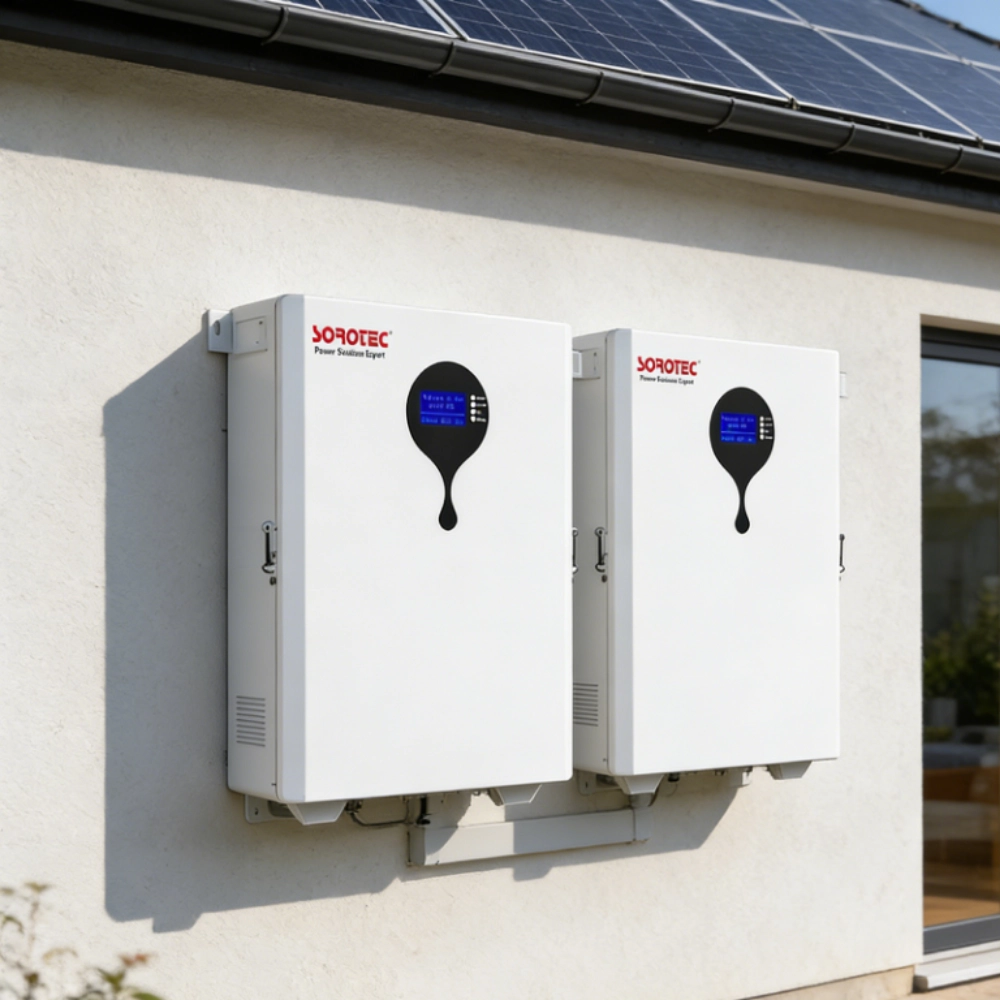
The SL-W/SL-R series covers capacities from 100Ah to 300Ah, with 25.6V, 48V, and 51.2V options. Energy capacities range from 2.56kWh to 15.36kWh.
These wall-mounted LiFePO4 batteries suit household photovoltaic storage and may support residential or commercial configurations. Distributors and integrators can consider them for modular lower-voltage projects after verifying expansion, inverter communication, current demand, and environmental requirements.
Where Does the High-Voltage SL-RH/S/EU System Fit?
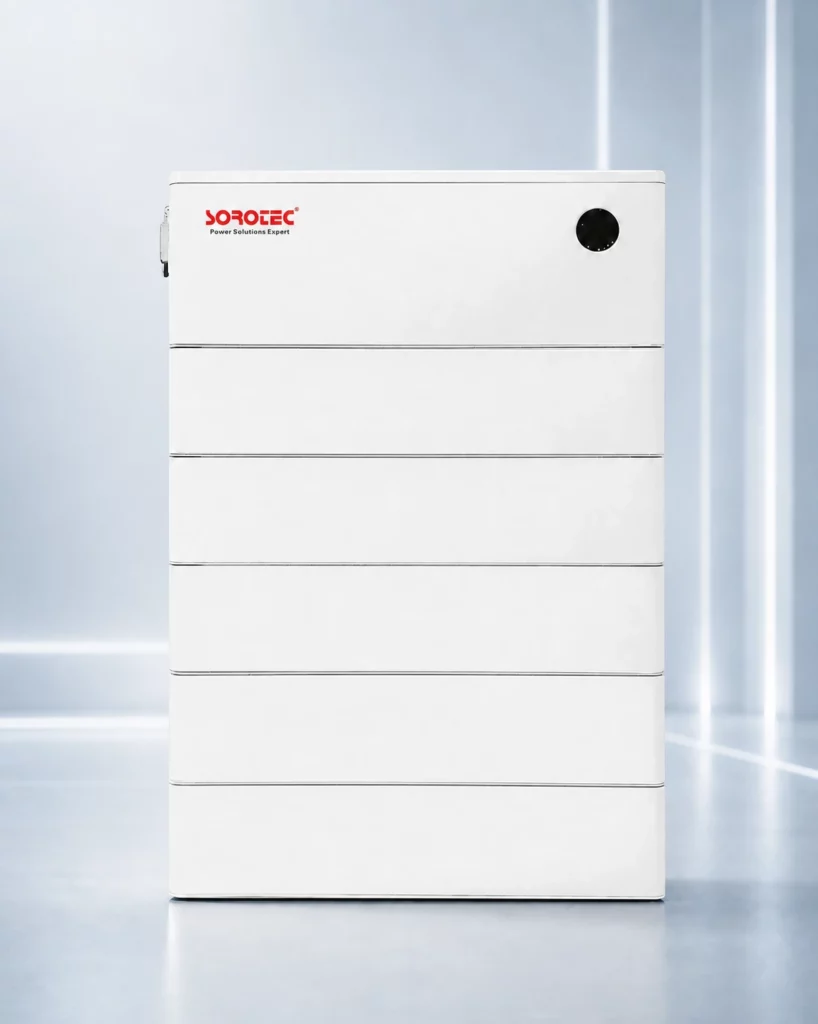
The SL-RH/S/EU (153.6V/50Ah~614.4V/100Ah) is a modular high-voltage lithium battery system intended for residential and commercial solar storage. Verified features include an intelligent BMS, multiple protections, flexible configuration, and a 6,000-cycle rating.
Before comparing that rating with another product, obtain the complete DOD, C-rate, temperature, cycling protocol, and remaining-capacity threshold.
Why Should Buyers Avoid Comparing These Products by Cycle Count Alone?
Voltage architecture, usable capacity, inverter compatibility, load profile, communications, installation scale, and life-test conditions all affect selection. Neither lower-voltage nor high-voltage storage is inherently longer-lasting in every application.
Confirm expansion limits, charging parameters, environmental requirements, warranty coverage, and approved system combinations.
What Should Be Included in a Commercial Battery Evaluation?
A structured evaluation reduces specification gaps and creates a clearer basis for commissioning, maintenance, and future warranty discussions.
Which Questions Should Be Sent to the Supplier?
Request complete cycle-test conditions, the capacity-retention threshold, calendar-life basis, warranty terms, storage instructions, temperature limits, and approved charging parameters. Ask whether each life figure applies to your proposed configuration and duty cycle.
Also request model-specific operating materials and written compatibility confirmation for the selected inverter and monitoring system.
How Should Performance Be Verified After Installation?
During commissioning, record baseline capacity, operating temperature, state-of-charge behavior, alarms, and energy throughput. Use available BMS and system-monitoring records to identify operation outside approved limits.
Periodic inspections should include battery-voltage balance, inverter alarms, abnormal heating, and relevant electrical checks. Follow the maintenance schedule for the installed configuration.
What Is the Practical Procurement Rule?
Treat cycle life as a condition-dependent measure of repeated use and calendar life as a time-related planning measure. Normalize the test conditions, examine the complete duty cycle, and verify system compatibility before comparing products.
For model-specific documentation and battery-selection support, discuss your project requirements with Sorotec.