In today’s business world, reliable power and expenses form a key part of the success formula. Electricity rates around the world shift often, and the drive toward eco-friendly power grows stronger. Businesses often face a choice between old-school diesel generators and a newer Hybrid setup. Diesel generators have served as a dependable reserve for years. Yet, a Hybrid solar inverter brings better money-saving benefits and smart tech features that basic engines can’t equal. The decision you make will shape your running costs over the coming ten years.
Before diving into the specs, it’s wise to find a reliable partner. Shenzhen Soro Electronics Co., Ltd. stands as a top national high-tech firm with deep knowledge in power electronics since 2006. Over 20 years, the company has built solid skills. It doesn’t merely offer gear; it delivers steady performance. SOROTEC builds advanced UPS units for data centers and smart energy storage solutions. These items earn trust in public offices, banking, and factory areas in Europe and North America. Businesses can choose standard items or custom OEM/ODM options, and the firm’s strong production quality keeps operations powered.
1. Operational Costs and Fuel Dependency Comparison
The clear gap between these options shows up in the ongoing expenses to run them. Diesel generators demand payment with each use, like a pay-per-run tool. On the other hand, solar setups represent an upfront spend for ongoing free power.
Elimination of Recurring Monthly Diesel Expenses
Relying on a diesel generator leaves businesses dependent on fuel delivery networks. Costs include the fuel price, transport arrangements, and secure holding of combustible materials. Once a solar-linked system is in place, however, sunlight serves as the no-cost source. Focusing on solar power for daily needs can wipe out fuel spending from monthly bills.
Maximization of Free Solar Energy Utilization
A current inverter setup works like the central control for a site, making sure panels produce power that gets used well. Take daytime operations, for instance: the setup powers the workplace or plant directly, and any extra goes to battery charging. Such a direct-use approach proves much better than using fuel for the same output. This holds true particularly as worldwide lithium-ion battery prices dropped 89% from 2010 levels, which opens up storage options more widely.
Hedging against Global Fuel Price Volatility
Diesel fuel costs swing wildly due to world events and delivery issues. Moving to a sun-powered option shields operations from sudden rises. This shift locks in steady energy expenses for 15 to 25 years ahead, which supports better planning for finances over time.
| Cost Category | Diesel Generator (50kW) | Solar + Hybrid Inverter (50kW) |
| Fuel Cost | High (Market Dependent) |
$0
|
| Energy Source | Non-renewable / Finite |
Sustainable / Constant
|
| Operational Efficiency | ≈30% – 40% (Mechanical) |
Up to 99% (Electrical)
|
| Price Stability | Volatile | Stable / Fixed |
2. Maintenance Requirements and System Longevity
Fuel costs aside, think about the work and components needed to maintain power systems. Machine-based units and electronic ones differ greatly in breakdown risks.
Minimal Maintenance for Solid-State Hybrid Inverters
Solid-state inverters lack any moving components. Thus, there are no pistons that jam, no belts that break, and no oil changes required. Well-made energy storage inverters last up to 15 years with little upkeep. Keeping the device in a dust-free, airy spot avoids heat buildup, and today’s IP65-rated models handle this without trouble.
High Service Costs and Mechanical Wear of Diesel Engines
Diesel generators consist of intricate mechanical parts that call for routine checks. Oil, filters, and coolant need replacement after just a few hundred running hours. As time passes, wear from use brings costly repairs or full engine swaps. Such overlooked expenses frequently match the original buy cost over the unit’s life.
Long Operational Lifespan of Energy Solutions
Solar panels come with 25-year guarantees. Pairing them with a strong inverter creates a setup that supports business needs for many years. Because of this durability, overall ownership costs end up much lower compared to generators, which might need two replacements in that span.
3. Environmental Impact and Corporate Sustainability Goals
Today’s worldwide trade landscape views environmental effects as public knowledge and often as a legal must.
Significant Reduction in Carbon Footprint and Emissions
Diesel generators release harmful gases like nitrogen oxides, carbon monoxide, and tiny particles right into nearby areas. Solar setups run quietly without emissions, helping meet worldwide aims for lower carbon levels. Places such as the UK now push rules like the “Future Homes Standard” that require solar setups to hit these goals soon.
Noise Pollution Elimination for Commercial Areas
Businesses near homes or in calm business zones face issues from diesel engine noise, which acts as a drawback. This sound disturbance risks penalties or poor neighbor ties. A Hybrid solar inverter runs without noise, relying on natural airflow or soft fans, so it fits well in city settings.
Alignment with Global ESG and Green Energy Standards
Large global buyers often expect suppliers to follow Environmental, Social, and Governance (ESG) rules. Using solar energy shows clear dedication to green practices. Beyond aiding the environment, it positions a company as a top choice for major overseas deals.
4. Advanced Performance and Intelligent Load Management
Today’s power devices go beyond simple reserve roles; they improve the way every bit of energy gets handled.
Seamless Transition with UPS Functionality
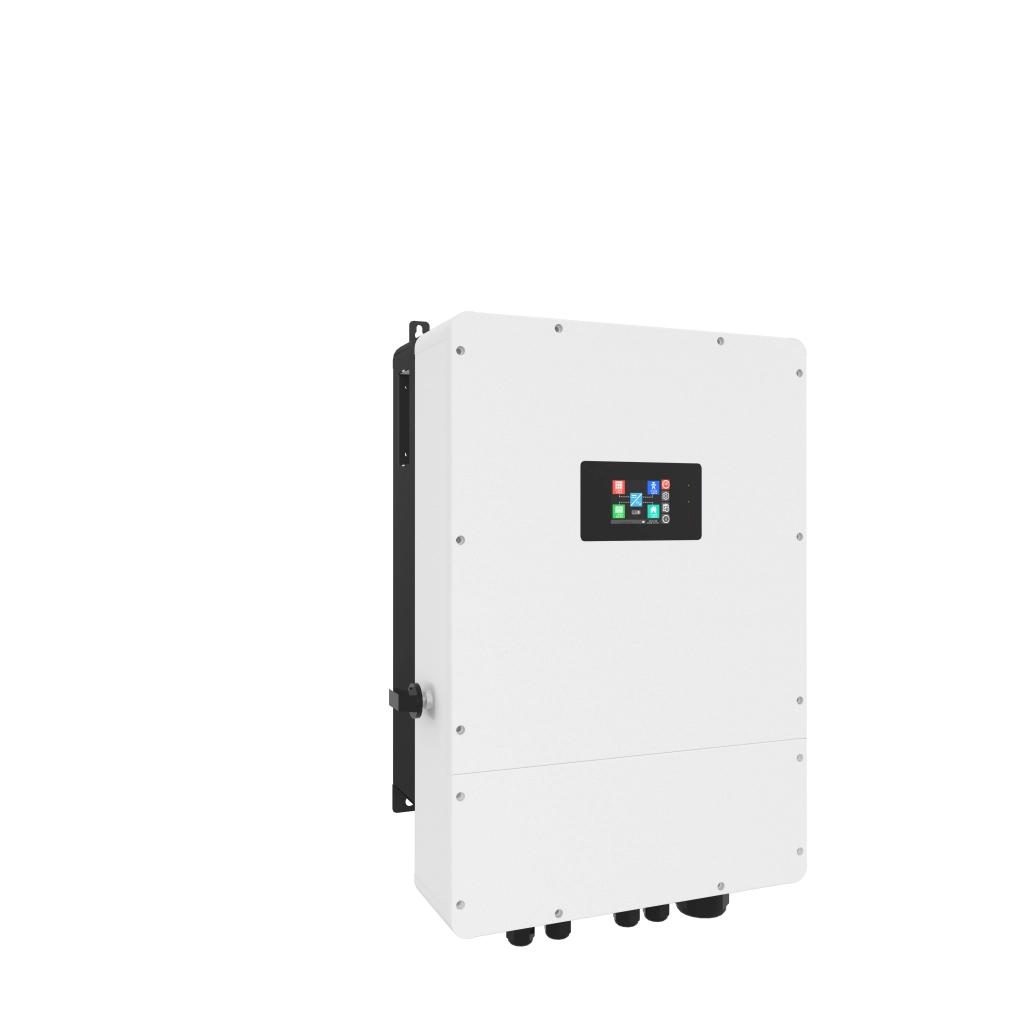
Standard generators have a major flaw in startup delay. Power outages mean it takes seconds or minutes for the unit to start and handle loads. Delicate gear like hospital tools or server rooms can’t tolerate that pause. Smart energy storage units switch over in under 10 milliseconds, acting like a powerful UPS to maintain key tasks without interruption. For this smooth shift, consider the Single-Phase IP66 REVO HES. It pairs tough weather resistance with clever grid ties.
Optimized Battery Performance through Intelligent Charging
Generators output a set amount, but smart inverters adjust as needed. Maximum Power Point Tracking (MPPT) pulls maximum sun energy no matter the sky conditions. Precise charge routines also protect battery condition, which stretches the useful time of stored power assets.
Enhanced Protection Ratings for Industrial Environments
Factory locations tend to be rough, with lots of dirt or dampness. Current inverters hold IP65 or IP66 seals, so they block all dust and strong water sprays fully. Their sturdiness lets installation in spots where regular generators would fail without costly, special housing.
5. ROI Analysis and Long-Term Economic Value
Reviewing money returns marks the last part of supporting a move to solar power.
Rapid Payback Period for Commercial Solar Systems
Solar’s initial outlay exceeds a generator’s, but business setups usually recover costs in 5 to 8 years through steady returns. From then on, produced power turns into pure gains for the company.
Government Incentives and Tax Credits for Green Energy
Nations across the globe back this change with aid. The UK provides funding for rooftop projects, while the US Inflation Reduction Act cuts taxes substantially. As a result, true system prices drop 30% to 50% below sticker amounts.
Increased Asset Value for Factories and Industrial Parks
Adding a fixed solar structure boosts property worth. Sites with built-in clean power become valuable holdings, drawing more interest from purchasers and renters than those stuck with loud, pricey diesel reserves.
| Metric | Diesel Generator | Solar Energy System |
| Typical Lifespan | 5 – 10 Years |
25+ Years
|
| Payback Period | Never (Constant Expense) |
5 – 12 Years
|
| Maintenance Frequency | Monthly / Quarterly |
Annual / Bi-annual
|
| Property Value Impact | Neutral / Negative (Noise) |
Positive (Asset Value)
|
6. Partner with SOROTEC for Professional Power Solutions
Picking suitable tech covers just part of the needs; a solid maker must back it up too.
Leading Manufacturing Excellence since 2006
SOROTEC has polished its making methods for 20 years to match top global benchmarks. The plant turns out dependable power gear, guaranteeing no blackouts for operations.
Global Reach and Proven Success Stories
Projects range from distant Southeast Asian spots to European factory zones, giving the firm broad know-how for varied uses. Their case studies show cuts in energy bills up to 40% for hotels and manufacturing sites.
Comprehensive OEM and ODM Service Worldwide
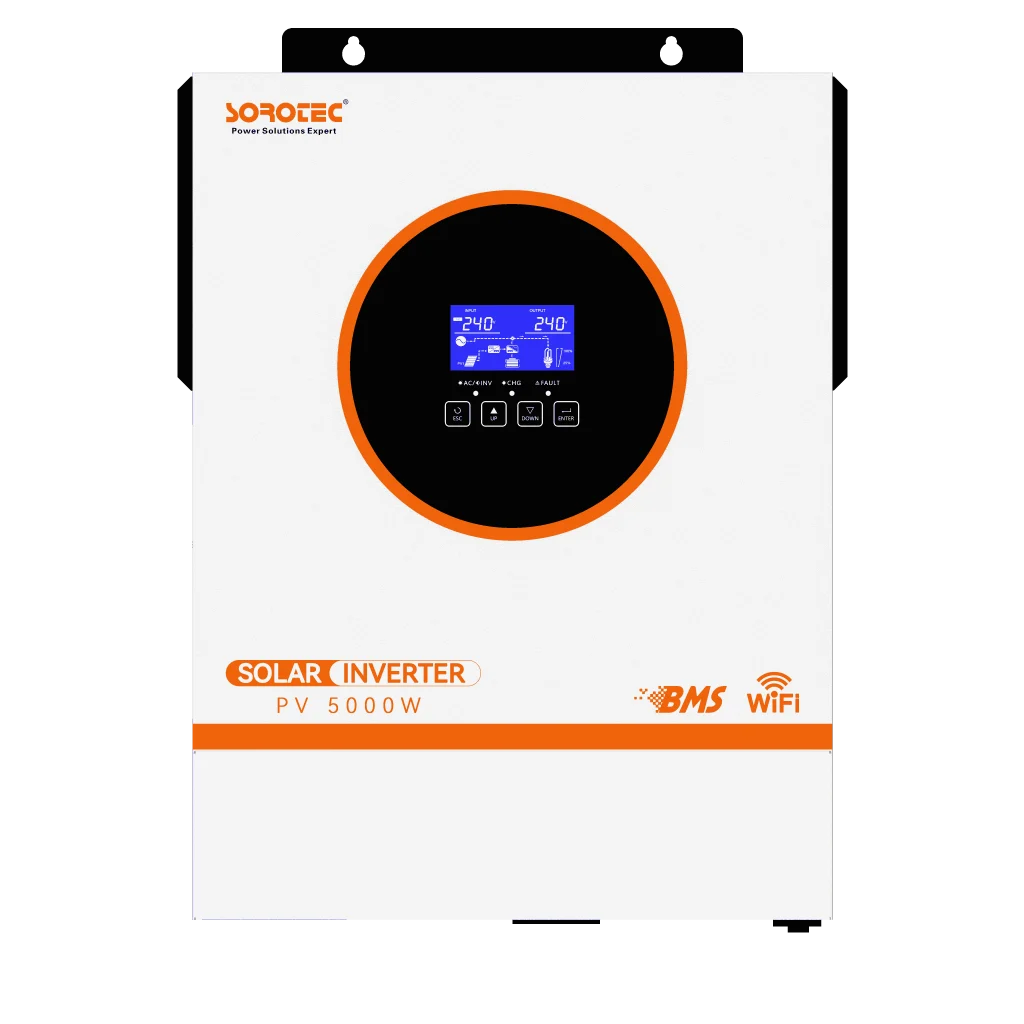
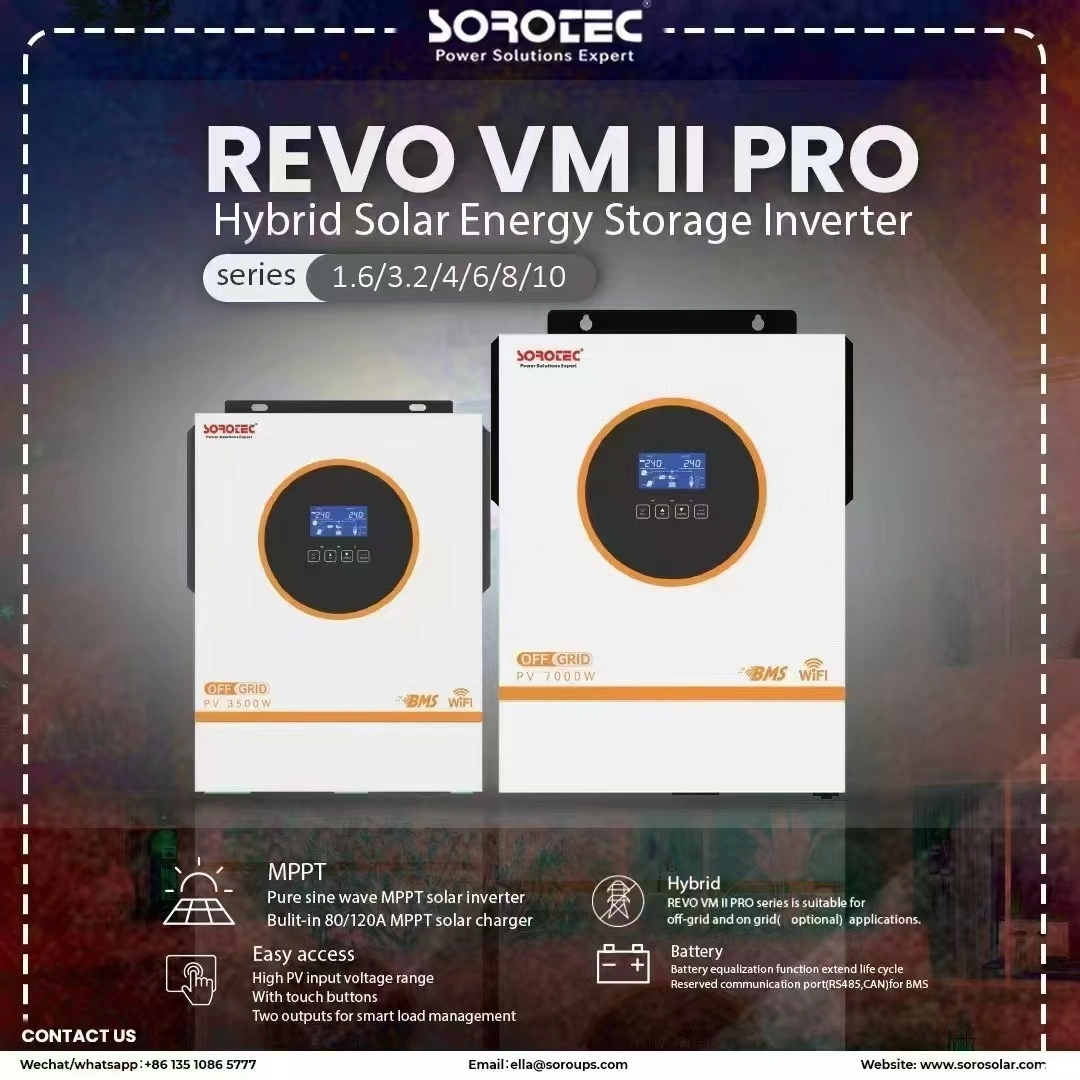
When standard goods don’t fit unique demands, SOROTEC delivers tailored OEM and ODM help. Custom builds can fit exact voltage specs, safety grades, or program links. For flexible remote power needs, the REVO VM II PRO Series stands out, as it launches and operates sans batteries for full setup freedom.
Moving to an eco-friendly Hybrid power option now goes beyond green choices; it forms the smartest money move for expanding firms.
Service and Contact
SOROTEC supplies full post-sale aid, with expert staff ready for round-the-clock advice and fixes. Ready to cut fuel bills and lock in stable power? Check the Contact Us page for a personal price estimate now.
FAQ
Q: Can a Hybrid solar inverter completely replace my diesel generator?
A: Yes, for numerous situations. Pairing solar panels and battery storage delivers full-day coverage. Still, some firms retain a compact generator for rare long cloudy spells beyond 3-4 days, even as the inverter covers nearly all routine demands.
Q: Is it true that these systems can work without batteries?
A: Some newer models like the REVO VM II PRO launch and function on solar alone. Batteries suit evening runs best, but this option lowers startup spends for day-focused setups.
Q: How long does the installation of a commercial solar system take?
A: Site checks and planning may span a few weeks, but fitting panels and inverters follows a quick build timeline with great adaptability. Skilled crews finish most jobs with little impact on normal work flows.