
Battery troubles in inverters stand out as a leading cause of power outages in off-grid and hybrid solar setups. These issues crop up in home backup arrangements, modest business locations, and far-off sites, and they tend to surface before inverter hardware breaks down. Most of these faults stem not from flaws in the batteries themselves, but from system layouts, inverter adjustments, or usage patterns that fail to align with actual power demands.
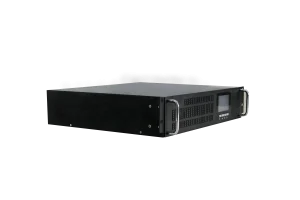
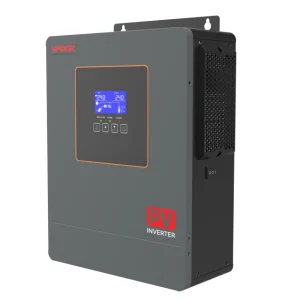
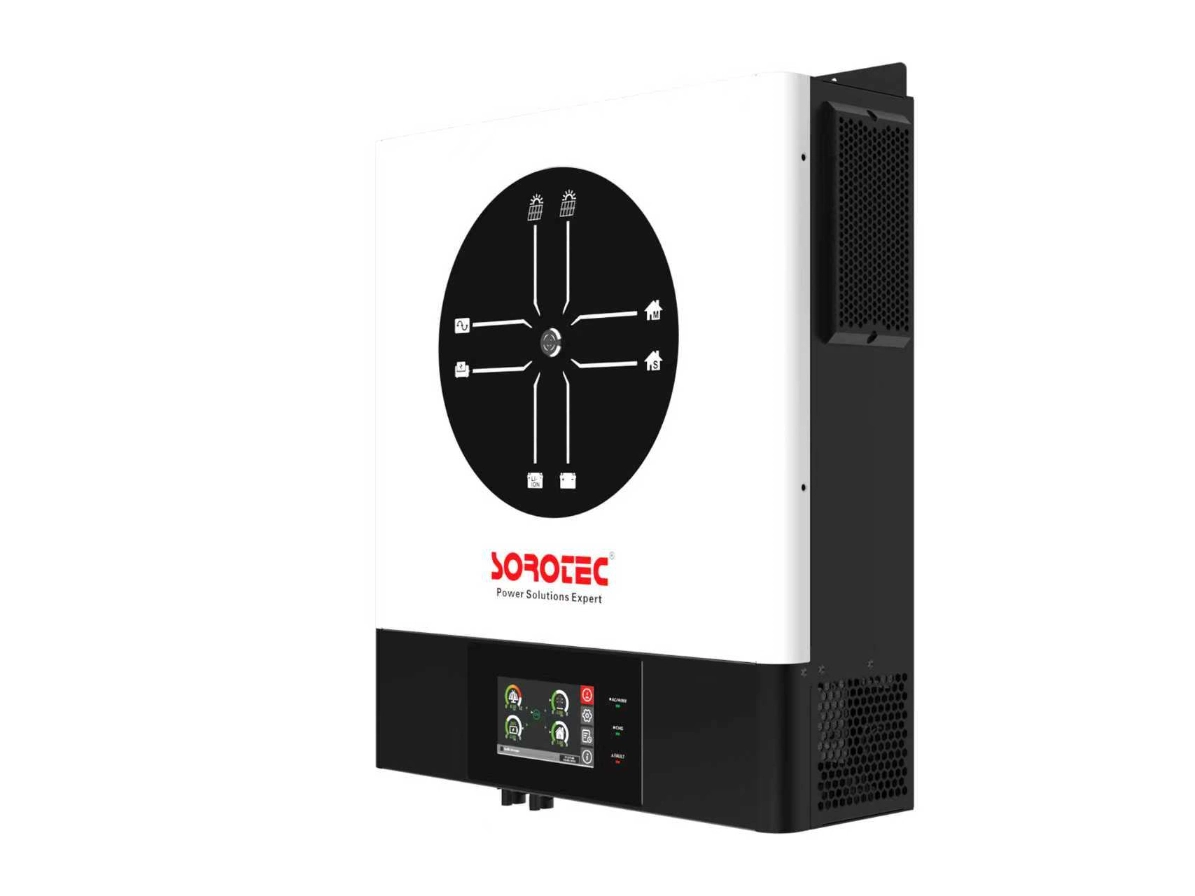
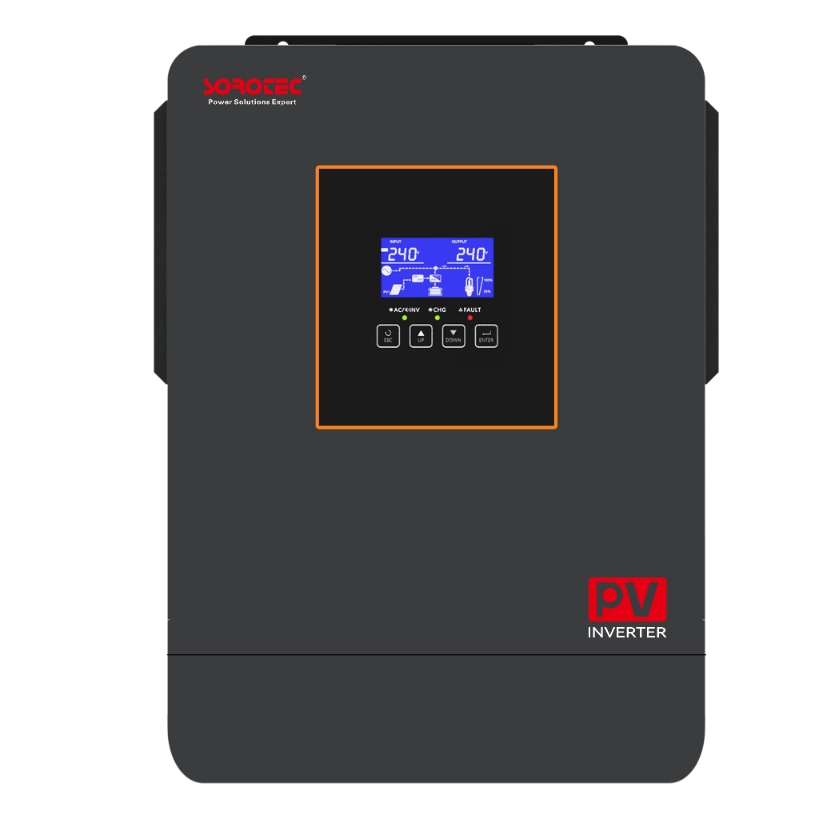
As more people adopt hybrid and off-grid inverters like SOROTEC’s REVO VM IV PRO-T, REVO MPI series, and REVO VM V hybrid energy storage inverters, grasping how batteries behave grows even more essential. The parts below outline the five typical inverter battery issues found in practice, explain their roots, and detail ways to address them through sound setup and fitting inverter choices.
Why Is My Inverter Battery Not Charging Properly?
Charging faults in batteries often emerge as the initial concern once a system starts running. A battery that remains underfilled cuts into backup duration, trims its overall lifespan, and results in erratic inverter function. Such problems frequently occur in combined energy systems that blend solar, grid, and generator sources.
Battery Charging Issue Causes
In actual setups, weak charging usually arises from mismatched parameters for charging rather than outright hardware breakdowns. Wrong settings for bulk or float voltages, restricted charging currents, or shaky PV inputs all lead to sluggish or partial filling. In off-grid settings, uneven sunlight highlights these shortcomings even more.
Data from the International Renewable Energy Agency indicates that faulty charge management causes about 30% of early capacity decline in off-grid solar arrangements. Consequently, numerous batteries give out well before their projected time because the charging patterns do not suit the specific battery type in use.
Inverter Compatibility With REVO VM IV PRO-T
Engineers designed the REVO VM IV PRO-T 4/6KW inverter to pair with various lead-acid and lithium battery groups. Its flexible charging current and voltage options let installers adjust the filling process according to genuine load needs and battery makeup. When filling troubles arise, verifying if the inverter’s charging bounds align with the battery maker’s guidelines usually provides the quickest remedy.
In numerous home backup efforts, boosting the charging current within safe bounds right away brings back standard battery action without swapping out parts.
Solutions With REVO VM V Hybrid Energy Storage
For locations that depend largely on solar supply, the REVO VM V Hybrid inverter offers stronger filling steadiness due to its clever energy direction. It favors PV power while keeping battery filling consistent amid varying sunlight. As a result, this cuts down on incomplete filling rounds, which gradually shorten battery endurance over the years.
Why Does The Battery Discharge Too Fast?
Quick battery draining ranks among the most aggravating concerns for system users. A battery that seems full yet depletes in little time typically points to an uneven system balance instead of a battery defect.
High Load Drawn From REVO MPI Photovoltaic Inverter
The REVO MPI 6kW and 10kW off-grid photovoltaic inverters commonly serve uses with heavy startup pulls, like pumps, cooling units, and shop equipment. These demands pull substantial currents at start-up, which can empty batteries quicker than planned if the system lacks sufficient size.
Studies from the U.S. National Renewable Energy Laboratory reveal that sudden loads can briefly raise battery draining speeds by as much as 250% over normal steady use. This sheds light on why arrangements without adequate battery size seem undependable, even if average daily pulls appear sensible.
Improper Battery Sizing Or Configuration
In plenty of projects, battery groups get sized by daily energy pulls rather than maximum needs. This gap creates deep draining rounds that swiftly lessen available capacity. Linked battery lines with unequal cable runs also breed unevenness, making certain batteries deplete sooner than their counterparts.
Recommended Settings For Hybrid On & Off Grid Systems
Employing hybrid inverters such as the REVO VM V enables finer command over draining bounds and power origins. Establishing a greater lowest charge level threshold averts deep draining, and it permits grid or generator aid when required. This method markedly boosts system steadiness without growing the battery group.
Why Does The Inverter Battery Overheat?
Overheating in batteries acts as a quiet concern that slips by until output falls or alerts sound. Excess heat hastens internal chemical processes in batteries, which quickens wear and heightens safety concerns.
Poor Ventilation And Installation Placement
In various compact setups, batteries sit in sealed enclosures or workrooms with scant air movement. Surrounding temperatures over 30°C already lower battery output. Per Battery University, each 10°C rise beyond normal room warmth can slash battery lifespan by close to half.
Heat Stress In REVO VM IV PRO-T 4/6KW
The REVO VM IV PRO-T inverter features heat safeguards and wise charging oversight, yet it cannot wholly offset bad placement spots. If battery heat climbs often, lowering charging current in warm spells can aid in steadying inner temperatures.
Best Practices For REVO VM V Hybrid Cooling
The REVO VM V Hybrid inverter backs more precise power handling, which lets energy shifts move from batteries in high-heat times. This curbs needless filling and draining actions when warmth peaks, thus aiding batteries to remain in secure working zones.
Why Is The Battery Life Shorter Than Expected?
Numerous battery setups quit years ahead of their stated endurance, even absent big reported glitches. This matter typically builds gradually and ties closely to usage routines.
Deep Discharge Cycles And Maintenance
Ongoing deep draining stands as the chief reason for premature battery wear. Sector data shows that lead-acid batteries meant for 1,200 rounds at 50% draining depth might endure under 500 rounds if often driven to 80% draining. Weak upkeep, including rare checks and slack links, worsens the situation.
Importance Of Correct PV Input With REVO MPI Inverter
The REVO MPI inverter lineup handles broad PV input spans, which aids in keeping filling steady all day. Even input lessens partial filling loops that bit by bit harm battery plates. Arrangements with too little PV size frequently push batteries to loop more forcefully, cutting service time.
Long-Term Storage And SOROTEC Energy Storage Tips
In seasonal or reserve-only systems, right storage adjustments count heavily. SOROTEC hybrid inverters let users hold batteries at balanced fill levels in extended downtime, which eases strain and chemical breakdown.
Why Does The Inverter Show Fault Codes Related To Batteries?
Alerts tied to batteries frequently spark needless alarm. In many instances, these signals serve as early notices rather than marks of grave breakdowns.
Understanding Fault Codes On REVO VM Series
REVO VM series inverters track voltage, temperature, and fill status live. Battery-linked alert codes generally flag odd readings over damaged parts. Slack ends, uneven battery lines, or wrong adjustments rank as usual starters.
Common Causes Detected By REVO MPI Photovoltaic Inverter
The REVO MPI inverter spots voltage dips and draining oddities swifter than past inverter types. Although this enhances guarding, it also signifies that setups with older batteries might display notices earlier. Tackling cable opposition and load bursts often wipes out these signals.
Troubleshooting Steps For SOROTEC Inverter Battery Errors
In the majority of situations, tweaking fill bounds, inspecting wiring evenness, and resetting battery details fix the matter sans part swaps. Initial signals ought to count as advice over breakdown flags.
Battery Performance Comparison By Depth Of Discharge
| Depth Of Discharge | Typical Cycle Life (Lead-Acid) | Capacity Retention After 2 Years |
| 30% | ~2,000 cycles | Around 85% |
| 50% | ~1,200 cycles | Around 75% |
| 80% | ~500 cycles | Below 60% |
Common Causes Of Inverter Battery Failure In Off-Grid Systems
| Cause Category | Share Of Failures (Industry Avg.) |
| Improper Charging Settings | ~30% |
| Excessive Discharge | ~25% |
| High Temperature Exposure | ~20% |
| Wiring And Installation | ~15% |
| Battery Manufacturing Defect | <10% |
(Data sources based on IRENA, NREL, and Battery University industry summaries.)
FAQ
Q1: How often should inverter battery settings be checked?
A: Battery-linked details deserve a look at least yearly, or anytime load routines shift. Variations in solar by season alone warrant a settings review.
Q2: Can hybrid inverters really extend battery life?
A: Yes. Hybrid types like the REVO VM V lessen unneeded battery loops by evening out PV, grid, and battery roles more evenly than classic off-grid setups.
Q3: Is replacing batteries the fastest fix for battery problems?
A: Not always. Plenty of battery woes arise from setup, air flow, or load unevenness. Tuning inverter details frequently revives normal action without fresh batteries.