
Running a commercial facility means you deal with heavy, unpredictable energy demands every single day. When upgrading to a renewable setup, getting your Three-Phase Solar Storage right is critical. But let’s be honest, it rarely goes perfectly on the first try. You plug in a heavy machine, and suddenly the phases are totally out of whack. A standard inverter just gives up and trips. It is a massive headache.
If you are tired of dealing with equipment that drops the ball during peak production, you need hardware built for real industrial abuse. That is where SOROTEC steps in. Since 2006, they have quietly become a heavyweight in power electronics and smart new energy. They don’t just assemble boxes; they engineer complete smart city power systems and robust off-grid and on-grid inverters that actually handle the messy, unbalanced reality of commercial grids. Want to see proof instead of marketing talk? Look at their global Case Study portfolio. They focus on giving you reliable, heavy-duty tech without the usual setup nightmares.
Primary Challenges in Commercial Three-Phase Systems
Building a commercial power system is tough. Standard inverters expect a perfectly balanced world, but real factories and commercial buildings never operate that way.
Grid Instability from Phase Asymmetry
Connecting different single-phase loads creates a highly unequal power draw across the L1, L2, and L3 lines. Maybe you run a massive industrial HVAC unit on one phase and regular office computers on another. This uneven split causes severe voltage imbalances. It stresses out your local transformers and makes your facility’s internal network incredibly unstable.
Revenue Loss During Equipment Failures
Standard inverters absolutely hate phase overload. When the load on a single phase spikes beyond its strict limit, the whole inverter shuts down to protect its internal circuits. Production stops. Your staff stands around waiting for a manual system reset. These sudden halts eat directly into your daily revenue and delay your shipments.
High Costs for System Upgrades
Fixing this the old-fashioned way drains your project budget fast. You either pay an electrician a premium to rewire your entire commercial breaker panel to manually balance the loads, or you are forced to buy a massively oversized central inverter just to handle the occasional spike on a single phase.
Take a look at the standard inverter options out there. Central inverters are often used for larger setups, but they lack the flexibility you need for complex, messy roof layouts.
| Feature | String Inverter | Central Inverter |
| System Size | Less than 1 MW | Greater than 1 MW |
| Flexibility | High | Low |
| Maintenance | Distributed, easy | Centralized, complex |
| Cost per Watt | Slightly higher | Lower at scale |
The Role of Unbalanced Output in Three-Phase Solar Storage
Instead of throwing more money at old wiring, the modern fix is using equipment that adapts to your actual power draw. Unbalanced output technology directly solves these daily operational nightmares.
Precise Power Distribution Across Phases
Unbalanced output technology fixes the root problem without manual rewiring. An advanced inverter automatically detects exactly how much power each individual phase actually needs in real time. It sends the required power directly to the heavy-draw phase while keeping the light-draw phases stable, entirely preventing system trips.
Protection for Heavy Industrial Loads
Think about a heavy manufacturing motor starting up on the factory floor. It needs a massive, sudden surge of single-phase power. Systems with unbalanced output handle that aggressive spike effortlessly without dropping the power on the other phases. You keep the heavy motor running without crashing the office lights or computer servers.
Seamless Operation During Grid Outages
When the main grid goes dark, you still need stable power for your critical production lines. Unbalanced output keeps the essential phases active and tightly regulated. This prevents your commercial operations from coming to a grinding halt during unexpected blackouts.
Your Solution for Three-Phase Systems
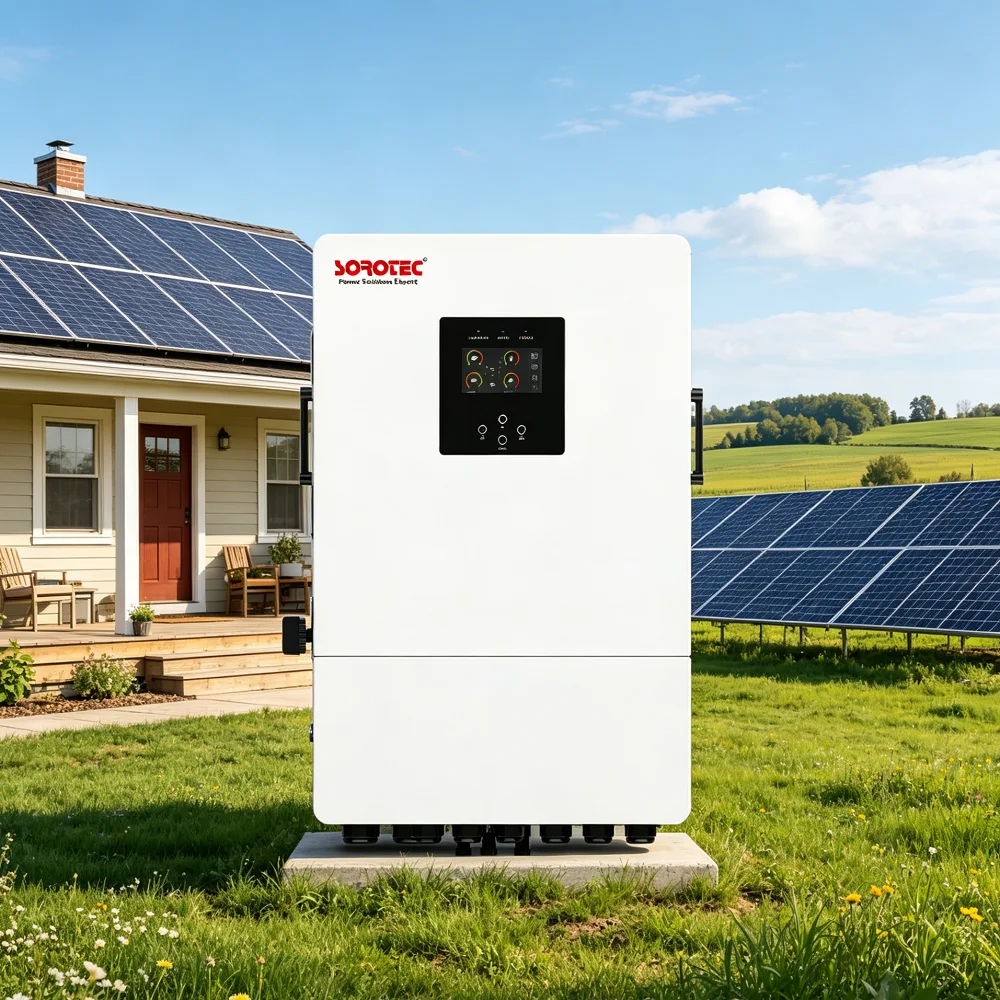
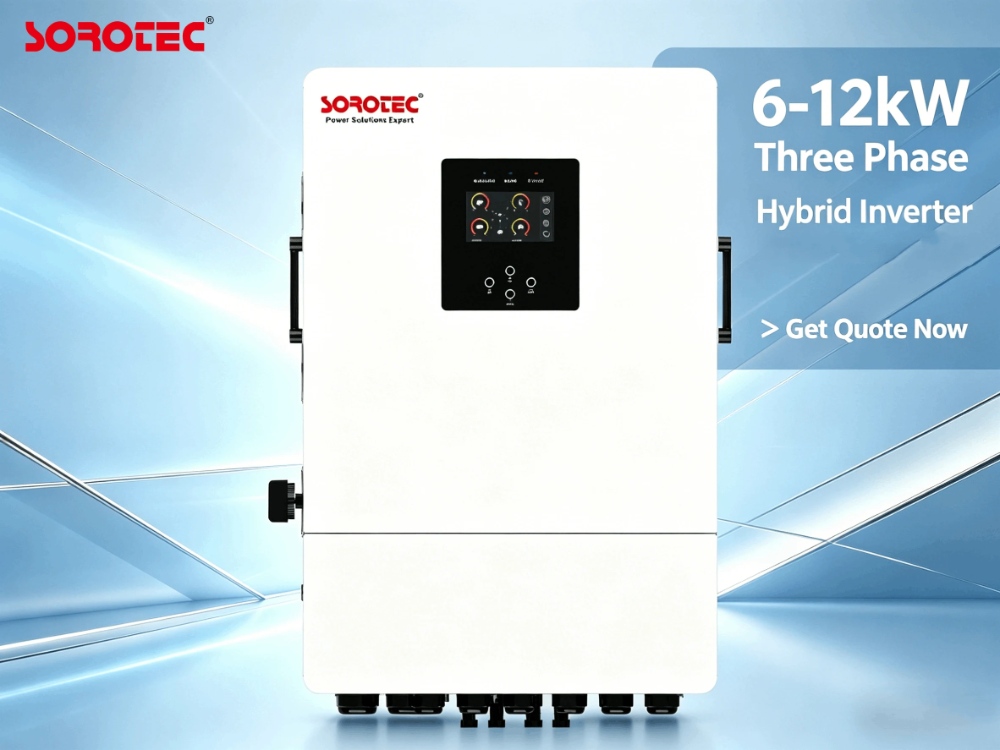
You need hardware that matches the reality of your building. The Three-Phase Output iHESS L3P G2 is built specifically for these messy industrial environments and is a core component of effective Three-Phase Solar Storage.
Complete Unbalanced Output Capability
This inverter completely eliminates manual load balancing. It is engineered to support a 100% unbalanced load across its phases. If your factory draws heavily on one line, the inverter handles it natively. It features a peak efficiency of 93% and can handle a maximum PV array open voltage of 500VDC.
Smart Energy Management System
It comes with a deeply integrated energy management setup. You can easily program it to charge your batteries from the grid when rates are cheap. Then, you tell it to discharge that stored power during expensive peak hours. This simple peak-shaving tactic cuts down your monthly utility bills noticeably.
Reliable Performance in Harsh Conditions
Factory environments are dusty, hot, and unforgiving. This unit holds an IP66 protection degree, meaning it completely blocks fine dust and heavy water jets. It also features physical and electrical dual isolation for serious, long-term safety. It operates reliably in temperatures ranging from -10°C to 50°C.
Key Features Driving Commercial Storage Success
Beyond just balancing the phases, a successful commercial installation relies on speed, safety, and the right battery chemistry.
Rapid Transfer Time for Critical Loads
A typical power outage usually resets everything on the floor. But this unit boasts a 10ms transfer time for personal computers and sensitive electronics. Your servers and precision manufacturing tools will not even notice that the main grid dropped.
High Capacity Battery Support
Pairing the inverter with the right lithium battery chemistry is crucial for long-term success. Lithium batteries provide massive advantages over old-school setups. They generally reach 1000 to 2000 charge and discharge cycles easily.
| Feature | Lithium-ion Battery | Lead-Acid Battery |
| Average Lifespan | About 10 times longer | Shorter baseline |
| Usable Capacity | Up to 100% discharge | Roughly 50% discharge |
| Daily Maintenance | None required | Regular watering and venting |
Flexible Rate Tariff Management
The system actively tracks your consumption minute by minute. It limits your demand charges by strictly capping how much power you pull from the grid all at once. By relying on battery power during the most expensive hours, you keep your operational overhead as low as possible.
Partner with Industry Experts for Reliable Solutions
Stop struggling with unstable power and equipment that trips when you need it most. Getting your Three-Phase Solar Storage set up right the first time takes the right hardware and the right partner.
Global Reach and Proven Installations
You don’t want to be a test subject for new hardware. Rely on a manufacturer with a rock-solid track record across the globe. Take a few minutes to check out their company profile to see the true scale of their operations and manufacturing capabilities.
Professional OEM and ODM Services
Do you need something specific for your region or a unique client project? They go beyond off-the-shelf boxes. They provide tailored OEM and ODM manufacturing services to meet local grid codes and highly specific site demands worldwide.
Direct Contact with Technical Teams
Don’t guess what size inverter or battery you need. Reach out directly to their technical support team. They will help you size the perfect system for your facility, preventing costly redesigns and keeping your power stable from day one.
FAQ
Q: What exactly causes phase imbalance in commercial solar setups?
A: Connecting vastly different single-phase loads creates uneven power draw. If you place a heavy HVAC unit on one line and light office equipment on another, it forces the system to work much harder on a single phase, creating a bottleneck.
Q: How does unbalanced output directly save my business money?
A: It stops the inverter from tripping and shutting down your production lines. It also completely eliminates the need to pay an expensive commercial electrician to manually rewire your breaker panel to balance the loads.
Q: Is Three-Phase Solar Storage difficult to maintain over time?
A: Not if you use modern lithium batteries and a smart inverter. The inverter handles the load distribution automatically. Plus, lithium setups don’t require the constant watering, venting, or maintenance that old lead-acid batteries demand.