

Start With the Electrical Configuration
Take a proposed location inside a sealed enclosure. You may be satisfied with its protection from water, yet still have an unanswered question about heat removal. IP66, which covers dust ingress and powerful water jets in defined tests, won’t settle that. It won’t establish suitability for salt spray or flooding either. Keep those site checks open as you read the environmental limits.
Confirm Single-Phase Load Fit
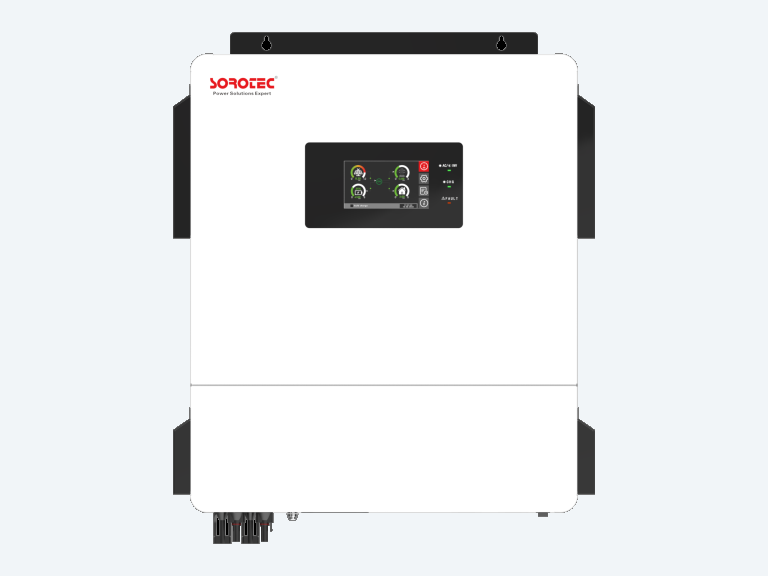
With the SOROTECREVO HES IP66 hybrid energy storage inverter, you’re looking at single-phase versions rated 6kW, 8kW or 10kW. A home, small workshop, telecom site or single-phase microgrid may be a suitable application.
A pump’s running demand is only part of what you need; find its starting requirement too, as you would for refrigeration or power tools. Otherwise the total can look comfortable until a motor starts. Have the supplier assess the list against continuous and surge output, the overload duration and any restrictions on parallel operation.
Qualify the Site Environment
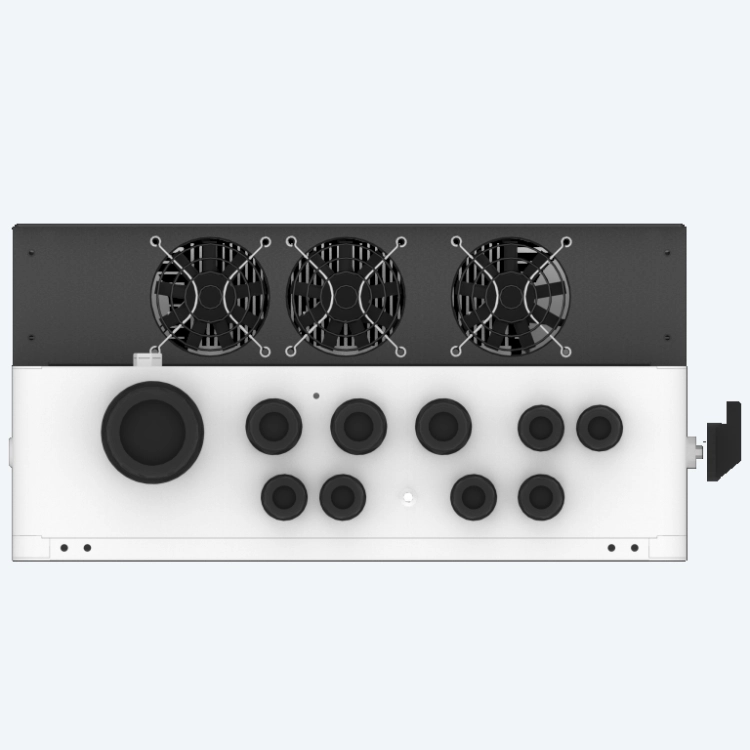
Leave the required clearances in the layout. Glands, covers and subsequent maintenance also affect the enclosure’s protection.
Compare Conversion and Backup Behavior
Follow an outage through the proposed system before approving the quotation. Which circuits remain supplied? You need to know what remains running in those conditions to judge the backup arrangement. An efficiency figure won’t describe that sequence.
Check Transfer and Backup Boundaries
TheREVO HES family page gives a transfer time below 10ms. Look at the backup-circuit wiring too, including how the output is switched or bonded. Low battery, overload and the return of grid supply are also events the technical offer needs to cover.
Match Battery Limits to the Duty Cycle
Runtime deserves a separate calculation. Treating every nominal kWh as available for backup would skip those conditions.
Read the PV entries individually. The MPPT operating range describes tracking, whereas the maximum DC voltage sets a separate boundary for the cold open-circuit calculation. Input current and permitted array power add further limits. The returned string schedule should name the module, series and parallel counts, and allocation to each tracker, with voltage and current checked over the relevant conditions. Without that schedule, the array design remains an assumption.
The description also needs to cover a loss of both generator and grid. A generator input on a product page leaves the details of this particular connection unresolved.
Evaluate Parallel Operation and Serviceability
Up to six units can be paralleled according to the REVO HES family page. If that’s why you’re considering the range, have the supplier describe the expansion using the revision on your order and the mode you intend to run. Get a drawing of the phase and battery arrangements. It should come with the cable requirements and firmware conditions, as well as the commissioning procedure.
With more units, follow the battery connections again. If they’re drawing from one bank, what current must it supply? Check the proposed design’s continuous and surge figures, any derating and how it shares loads.
Inspect Monitoring and Fault Records
Remote app monitoring is listed for the family.
| Quotation field | What to confirm | Why it matters |
| Exact model | 6kW, 8kW, or 10kW version and revision | Prevents family-level claims being applied to a different unit |
| AC output | Phase, voltage, frequency, continuous and surge limits | Confirms compatibility with the service and protected loads |
| PV interface | Maximum voltage, MPPT range, current, array power, string schedule | Prevents electrical mismatch and invalid module substitutions |
| Battery interface | Voltage, current, chemistry, BMS, reserve setting | Establishes real backup power and runtime |
| Environment | IP rating, ambient limits, derating curve, humidity and corrosion notes | Tests suitability for the destination site |
| Integration | Generator controls, parallel kit, monitoring, firmware | Exposes hidden commissioning and support work |
| Commercial terms | Warranty scope, exclusions, spare parts, lead time, Incoterm | Makes landed cost and service risk comparable |
Final Checklist Before Ordering
- Confirm the exact 6kW, 8kW, or 10kW version and match its continuous and surge output to the protected-load list, including motor and compressor starting requirements.
- Request the complete PV string schedule, including module model, series count, parallel count, tracker allocation, and the voltage and current checks used for the design.
- Verify the MPPT operating range, maximum DC voltage, input current, and permitted array power from the exact datasheet for the offered revision.
- Confirm the battery voltage and current limits, chemistry, BMS requirements, and the reserve assumptions used in any runtime calculation.
- Check IP66 installation conditions together with ambient limits, derating, clearances, glands, covers, maintenance access, humidity, and corrosion considerations.
- If parallel operation or generator input is part of the proposal, request the relevant wiring, cable, firmware, control, and commissioning requirements in writing.
Conclusion
For a 6kW to 10kW IP66 hybrid energy storage inverter, the useful comparison is not the IP rating or headline power alone. Buyers should compare the exact inverter revision, single-phase load requirements, PV string design, battery capability, backup behavior, environmental conditions, and any parallel or generator requirements as one defined system. A quotation that names the configuration and ties its claims to the applicable datasheet gives purchasing a much clearer basis for approval.
FAQ
Does an IP66 rating mean the inverter can be installed anywhere outdoors?
No. IP66 should be treated as one part of the site assessment Buyers still need to check heat removal, ambient limits, clearances, humidity, corrosion exposure, and other installation conditions. IP66 alone does not establish suitability for salt spray or flooding.
How should I choose between the 6kW, 8kW, and 10kW versions?
Start with the protected-load list rather than the PV array size alone. Check continuous demand, motor or compressor starting requirements, surge output, overload duration, and any restrictions on parallel operation.
Is the MPPT operating range the same as the maximum DC voltage?
No. The article specifically distinguishes the MPPT operating range from the maximum DC voltage used for the cold open-circuit-voltage calculation. Both limits should be checked on the exact offered datasheet.
What should I ask for when reviewing the PV string design?
Ask for the module model, series and parallel counts, tracker allocation, and the voltage and current checks for the relevant operating conditions. Without a returned string schedule, the proposed array design remains an assumption.
Is nominal battery capacity enough to estimate backup runtime?
No. Runtime requires a separate calculation that accounts for the usable battery reserve and the actual loads running during an outage. The battery’s voltage and current limits also need to match the inverter duty cycle.
What should be confirmed if several inverter units will be connected in parallel?
Ask the supplier to describe the expansion for the exact revision and operating mode, including phase and battery arrangements, cable requirements, firmware conditions, commissioning procedures, and how continuous and surge current will be shared.