

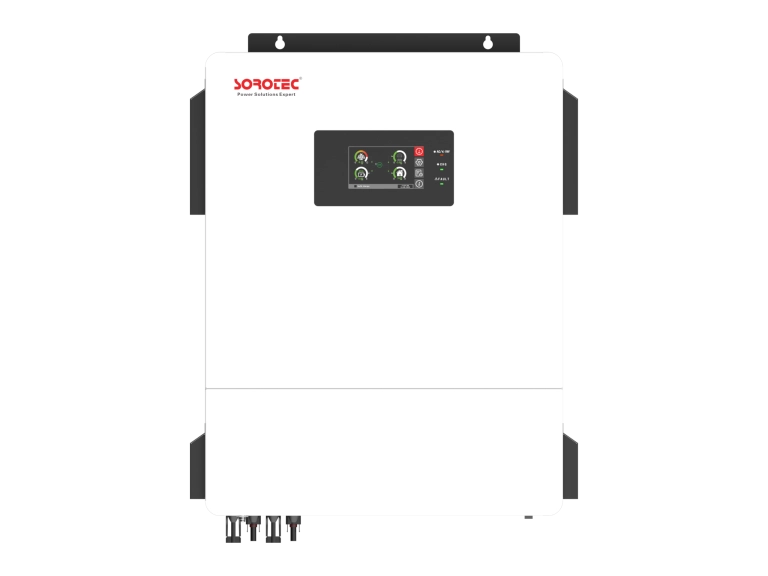
An IP54 Hybrid Inverter is becoming more common in home solar storage because many houses were never built with a neat energy room in mind. You may have a garage wall already filled with shelves, a narrow utility area beside the house, or a shaded outdoor wall close to the electrical panel. In real projects, the “best” place is often not perfect. That is why homeowners and installers now care about hybrid inverters that can deal with solar input, battery charging, grid connection, backup loads, and a rougher installation environment.
The timing also makes sense. The global solar hybrid inverter market is expected to grow from about USD 8.6 billion in 2025 to about USD 20 billion by 2030, with a projected 12% compound annual growth rate. Residential solar storage is no longer a small side topic. It is becoming part of how families handle power bills, outages, rooftop solar, and future home upgrades.
Why Are Homeowners Moving Solar Storage Equipment Outdoors
A residential solar storage system is more than just a box on the wall. Typically, such a system consists of solar panels, an inverter, battery storage, the main distribution panel, emergency backup lines, communication lines and – if applicable – an charging point for electric vehicles. Once you have seen the entire installation, outdoor or semi-outdoor installation does no longer appear to be a luxury but rather a matter of course.
Limited Indoor Installation Space
Most homeowners want backup power but don’t want equipment to consume their living space. While most garages are already packed with an assortment of items including tools, sporting gear, water heaters, laundry machines and stacks of boxes that sometimes have been in the garage for years, locating the inverter on an outside wall covered in a slight overhang or in a semi-outdoor utility area will allow for a much more efficient design.
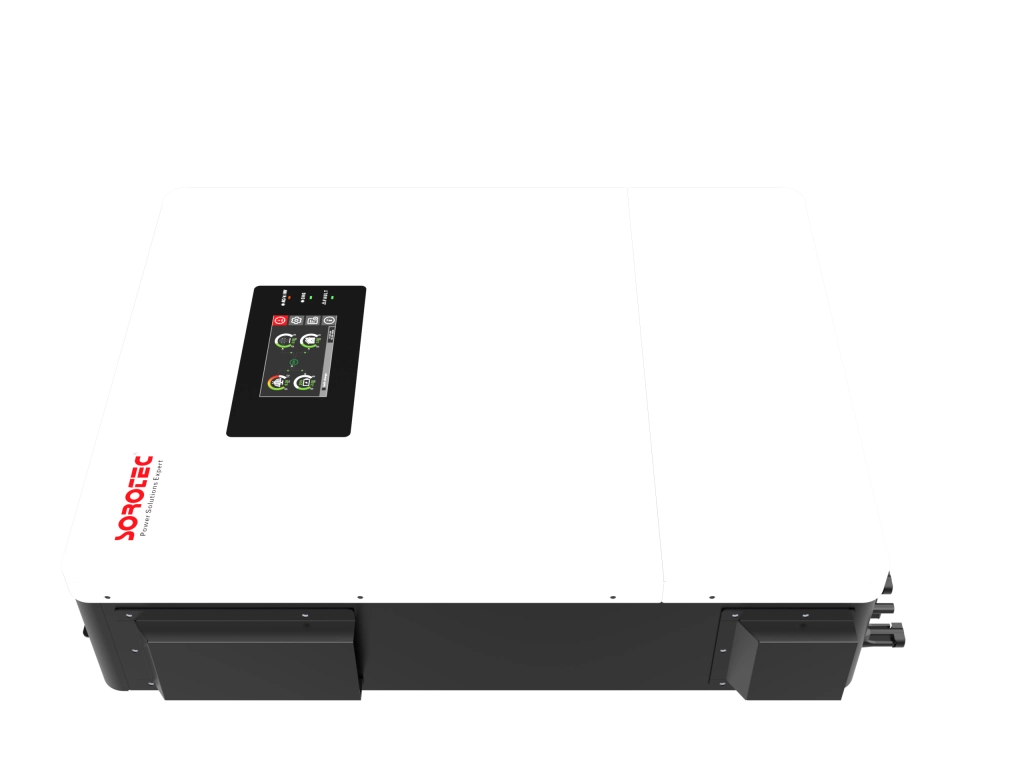
This is one reason the REVO HMT IP54 L2P G2 is worth a close look. It is a split-phase hybrid energy storage inverter available in 8kW, 10kW, and 12kW models, and its IP54-rated housing is better suited for semi-outdoor residential storage projects than a basic indoor unit.
Dust and Moisture Exposure
A garage or utility wall is not a clean room. Dust enters when doors open. Moist air appears after rain. In some houses, the inverter may sit near a laundry space, a workshop bench, or a covered patio. These conditions are not extreme, but they are not gentle either. An IP54 Hybrid Inverter gives the system a stronger layer of protection against these normal daily issues.
Cleaner System Layout
A cleaner layout also helps the installer. Shorter cable routes, better access, and clearer separation between solar, battery, grid, and backup load wiring can make future service work less painful. Nobody wants to remove three storage boxes just to check a wire terminal.
What Makes an IP54 Hybrid Inverter Useful for Residential Projects
An IP54 Hybrid Inverter is useful because it gives residential solar storage more placement freedom without turning the project into a heavy industrial installation. It sits in a practical middle zone: stronger than an indoor-only inverter, but still sized for homes.
IP54 Protection Meaning
| IP Rating Part | What It Means | Why It Matters at Home |
|---|---|---|
| First Digit 5 | Protection against dust that may affect normal operation | Useful for garages, sheds, and utility walls |
| Second Digit 4 | Protection against water splashes from different directions | Helpful for covered outdoor or semi-outdoor areas |
| Practical Note | Not fully waterproof | Proper shelter and spacing are still needed |
This point matters because IP54 is sometimes misunderstood. It does not mean the inverter should sit in open rain all year. The better use is a shaded, covered, and ventilated location where dust and splashing water may happen but direct weather exposure is controlled.
Installation Flexibility
When the inverter has stronger enclosure protection, the installer can plan around the real house. The battery location, PV string route, main electrical panel, and backup load panel all affect the final decision. A little flexibility can save time and reduce awkward wiring.
Daily Use Confidence
Homeowners do not want fragile-looking equipment in a place they pass every day. A system should feel solid, not nervous. With a suitable enclosure and correct installation, an outdoor-ready hybrid inverter can support daily use without making the homeowner worry about every bit of dust.
How Does Outdoor Hybrid Storage Improve Backup Power
Backup power is one of the main reasons people add batteries to solar. Solar panels alone do not always support home loads during an outage. You need the right inverter, battery setup, transfer logic, and load plan.
Solar and Battery Integration
A hybrid inverter connects solar power, battery charging, grid power, and backup output in one energy flow. This helps the system decide when to use solar energy, when to charge the battery, when to draw from the grid, and when to power backup loads.
The REVO HMT IP54 L2P G2 supports up to 200A solar charging current, dual MPPT, intelligent load management, and optional WiFi remote communication. These features are practical because they are tied to real use: charging faster when sunlight is available, tracking PV input from different roof areas, and checking system status without opening the equipment cover.
Essential Load Support
Not every family needs full-house backup. Some only want refrigerators, lights, WiFi, security systems, and a few outlets. Others want to include air conditioning, a pump, workshop equipment, or a dryer. With 8kW, 10kW, and 12kW options, this IP54 Hybrid Inverter gives installers room to match the inverter size to the home’s actual load, rather than forcing one fixed answer.
Faster Battery Readiness
Fast solar charging can make a real difference on days with limited sun. A battery may need to recover during a short afternoon window before the evening peak price period begins. In that kind of day-to-day case, higher charging current is not just a number on a datasheet.
Why Is Split-Phase Output Important for Modern Homes
Many residential projects need 120V/240V split-phase power. If the inverter does not match that structure, the system may need extra equipment, more wiring, or a less tidy design.
120V Household Loads
Lights, outlets, routers, refrigerators, TVs, and small kitchen appliances usually run on 120V circuits. These are the loads homeowners notice first during an outage because daily life feels strange without them.
240V High-Power Appliances
Modern homes also have more 240V loads than before. Air conditioners, dryers, well pumps, workshop tools, and EV-related loads can push the backup system harder. REVO HMT IP54 L2P G2 supports 120V/240V split-phase output, which makes it more suitable for homes that need both ordinary household circuits and larger appliance support.
Residential Compatibility Table
| Project Need | Why It Matters | REVO HMT IP54 L2P G2 Match |
|---|---|---|
| 120V Daily Loads | Covers lights, outlets, and small appliances | 120V split-phase support |
| 240V Large Loads | Helps support HVAC, pumps, dryers, and similar loads | 120V/240V split-phase output |
| Semi-Outdoor Placement | Fits garages, shaded walls, and utility areas | IP54 enclosure rating |
| Battery Charging | Helps refill storage during good sunlight | Up to 200A solar charging |
| Complex Roof Layouts | Handles different PV string conditions | Dual MPPT design |
How Can Smart Charging and MPPT Raise Daily Value
Solar storage is not only for outages. In many homes, the bigger everyday concern is the power bill. Time-of-use pricing makes this even clearer. You want the system to store energy when power is cheaper or solar production is strong, then use that stored power when grid electricity costs more.
Dual MPPT Solar Harvest
Dual MPPT helps when roof planes face different directions or get shade at different times. One PV string may work better in the morning, while another performs better later in the day. Independent tracking helps each string work closer to its real output level instead of letting one weaker side pull the whole system down.
Time-of-Use Energy Scheduling
The REVO HMT IP54 L2P G2 supports Time-of-Use tariff settings and intelligent load management. In simple terms, you can charge during low-price periods and discharge during peak-price periods. That is the kind of function homeowners actually understand, because it connects directly to the monthly bill.
Remote Monitoring Convenience
Remote monitoring is now a normal expectation. Installers need it for service checks, and homeowners like seeing solar generation, battery status, load use, and alerts from a phone. It sounds small, but it can reduce unnecessary service calls and make the system feel easier to live with.
Why Choose SOROTEC for Outdoor Residential Solar Storage Projects
SOROTEC is a power electronics and new energy manufacturer founded in 2006, with products covering solar energy storage systems, UPS systems, power quality equipment, LiFePO4 batteries, and related power solutions. The company serves residential, commercial, industrial, telecom, and backup power markets, and its experience is useful when buyers need more than a single inverter listing. For installers, distributors, and project buyers, the value is not only the product itself, but also technical matching, service response, and long-term supply support.
REVO HMT IP54 L2P G2 Recommendation
For residential projects that need semi-outdoor protection, split-phase output, battery backup, dual MPPT, and fast solar charging, REVO HMT IP54 L2P G2 is a strong model to shortlist. It is not too small for serious home backup, and it is not pushed only toward large commercial projects. That balance is exactly why it fits many residential storage jobs.
Project Support and Case References
Before choosing a supplier, buyers often want to see whether the company has practical application content, not just product pages. SOROTEC shares project and application information through its case study section, which can help installers and distributors review how its power products are used in different scenarios.
Service and Contact
If you are matching an IP54 Hybrid Inverter to a home solar storage system, the first step is not only checking the power rating. You also need to review grid type, PV string design, battery plan, load priority, and installation location. You can read more company background on the about us page, then contact the service team for product selection, quotation support, and project discussion.
Conclusion
The rise of the IP54 Hybrid Inverter is not just about an enclosure rating. It shows how home solar storage is changing. Houses need backup power, installers need flexible placement, roof layouts are often messy, and electricity prices keep pushing families toward smarter daily energy use.
REVO HMT IP54 L2P G2 brings several useful points together: IP54 semi-outdoor protection, 8kW to 12kW power options, 120V/240V split-phase output, 200A solar charging, dual MPPT, Time-of-Use settings, and remote monitoring. For a residential solar storage project that needs an outdoor-ready inverter without making the system too complicated, this model is a practical choice.
FAQ
Q: Is an IP54 Hybrid Inverter suitable for direct outdoor rain exposure?
A: An IP54 Hybrid Inverter is suitable for dust and water-splash resistance, but it should still be installed in a sheltered, ventilated, and correctly wired location.
Q: Why does split-phase output matter for home solar storage?
A: Split-phase output helps the inverter match 120V/240V residential power systems, so the home can support both normal circuits and larger appliances such as air conditioners, dryers, pumps, or EV-related loads.
Q: When should you choose REVO HMT IP54 L2P G2?
A: You should consider it when the project needs 8kW to 12kW output, semi-outdoor installation, 120V/240V split-phase support, fast solar charging, dual MPPT, battery backup, and smart energy scheduling.