

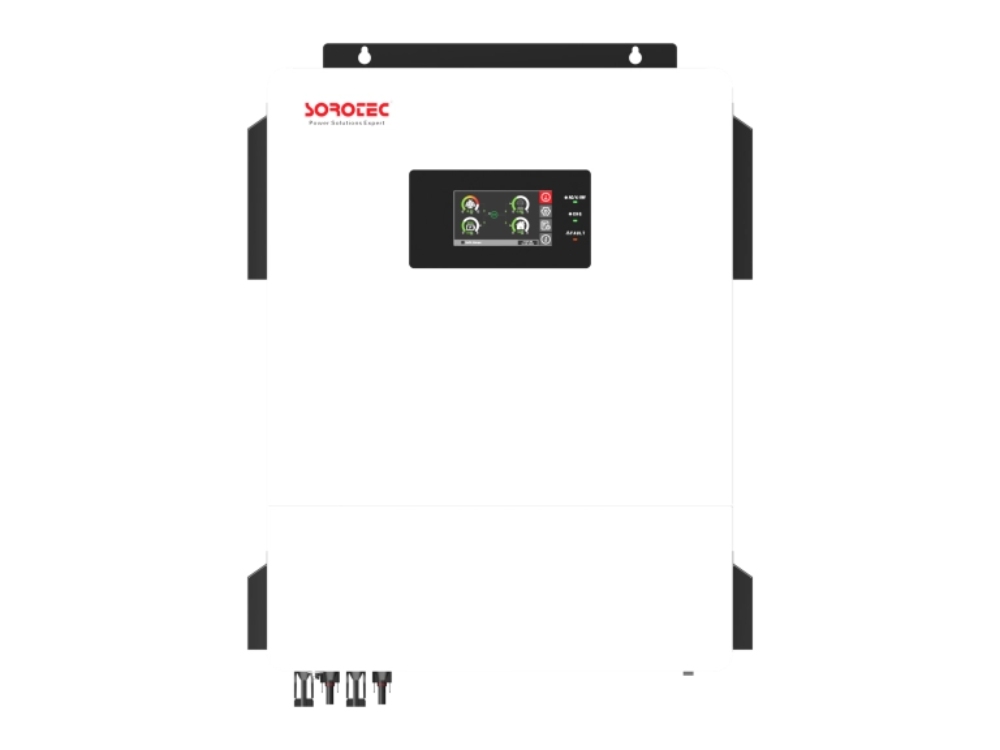
The solar industry moves fast. Just a few years ago, standard 400V or 500V inputs were perfectly fine to handle most rooftop setups. Today, solar panels are getting physically larger and packing significantly more wattage. That pushes older hardware to its absolute limit. Upgrading your local power system means looking at where the technology is heading in 2026. Right now, Higher-Voltage Hybrid Inverters are taking over the market. They process energy differently, keeping your system cool and your cables thin.
When dealing with complex commercial or residential power demands, you need hardware built for reality, not just lab conditions. That is where SOROTEC steps in. Since 2006, they have quietly engineered robust power electronics and smart new energy systems. They focus on heavy-duty tech that handles the messy reality of unstable grids without the usual setup nightmares.
The Shift Toward Higher Voltage in Solar Systems
Transitioning from traditional systems to an 800V architecture is a physical necessity driven by the panels themselves.
Evolution of PV Module Output
Modern solar panels, especially large-wafer N-type modules, easily push past 540W or 600W. Legacy inverters often clip this massive production because they cannot handle the high current and power input. By combining high-current tolerance with a wider MPPT voltage range, a modern inverter seamlessly processes the full output of these high-power modules without throttling.
Efficiency Gains from Reduced Current
It comes down to basic physics. When you raise the system voltage, the current drops. High current generates a massive amount of heat inside the wires and the inverter components. Lowering the current keeps the internal electronics cooler. A cooler machine lasts longer and converts DC to AC with much less energy wasted as heat.
Lower Cable and Installation Costs
Anyone who has tried to pull thick, heavy DC cables through a tight roof conduit knows it is a frustrating job. High-current systems demand thick copper wiring, which costs a fortune. By running at 800V, the current stays low enough that installers can use significantly thinner standard wires.
| Specification | 400V Standard System | 800V High-Voltage System |
|---|---|---|
| Operating Current | High (Requires thick 6mm²+ cables) | Low (Uses standard 4mm² cables) |
| Heat Generation | Noticeable at peak production | Minimal |
| String Length Limit | Short (10-12 panels max) | Long (Up to 20+ panels) |
| Transmission Loss | Roughly 2% to 3% | Less than 1% |
Benefits of 800V PV Input for Higher-Voltage Hybrid Inverters
When you integrate batteries into the mix, the input threshold changes how the entire energy storage setup behaves day to day.
Compatibility with High-Power Solar Panels
Connecting strings of 600W+ panels to a standard inverter usually results in severe bottlenecking. Higher-Voltage Hybrid Inverters swallow the full output without clipping. You paid for those high-wattage panels, so the inverter needs to handle the heavy intake properly.
Enhanced System Design Flexibility
A higher voltage limit allows you to wire more solar panels together in a single series string. You do not have to split your roof layout into multiple small, complicated zones. Long strings make the roof installation straightforward and visually clean.
Split-Phase IP54 REVO HMT for Residential Applications
For large homes, the hardware must balance heavy appliance loads without tripping the main breakers.
High-Voltage Input Capabilities
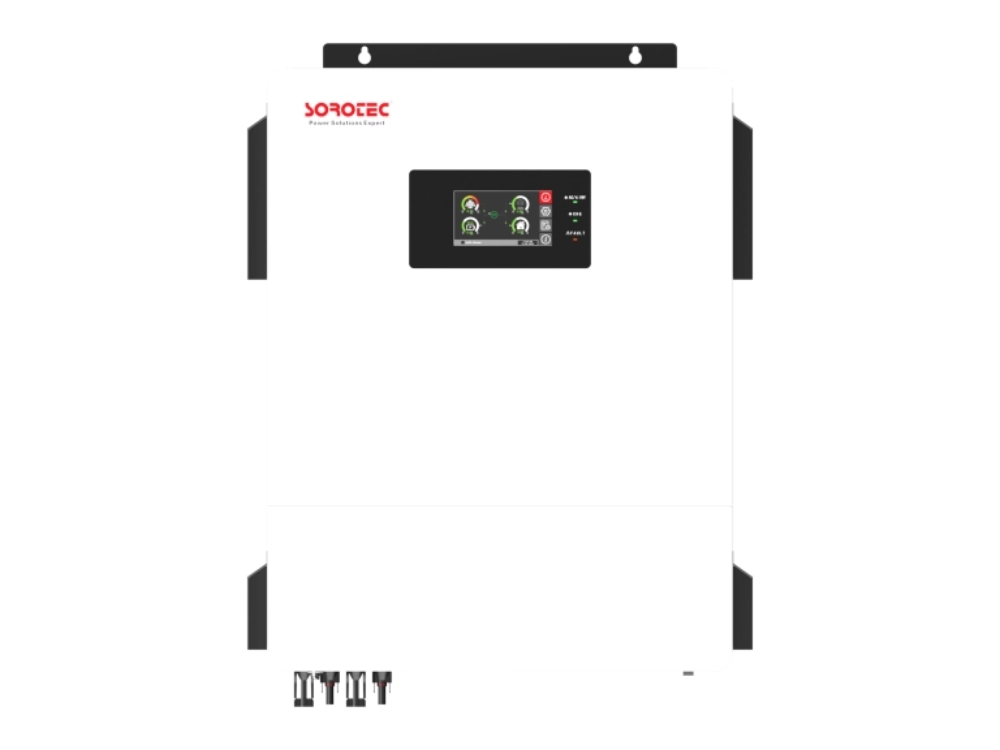
The Split-Phase IP54 REVO HMT takes the high-voltage concept and applies it directly to residential setups. It handles a massive maximum PV array open voltage, giving your home roof layout serious capacity. This translates to fewer parallel connections and simpler wiring across your property.
IP54 Protection for Harsh Environments
Garages and basements get dusty, and outdoor walls get hit by driving rain. This unit features a tough IP54 rating. It blocks fine dust and splashing water. The machine stays protected whether you mount it outside under an eave or in a dusty utility room.
Seamless Load Management Features
Balancing a split-phase home network is tricky when the heavy air conditioning kicks on. The built-in smart load management tracks consumption minute by minute. It directs power exactly where the house needs it, preventing overload shutdowns.
Three-Phase IP54 REVO HMT for Commercial Projects
Commercial buildings face heavy, unbalanced loads from industrial machinery and massive HVAC units.
Robust 800V MPPT Tracking
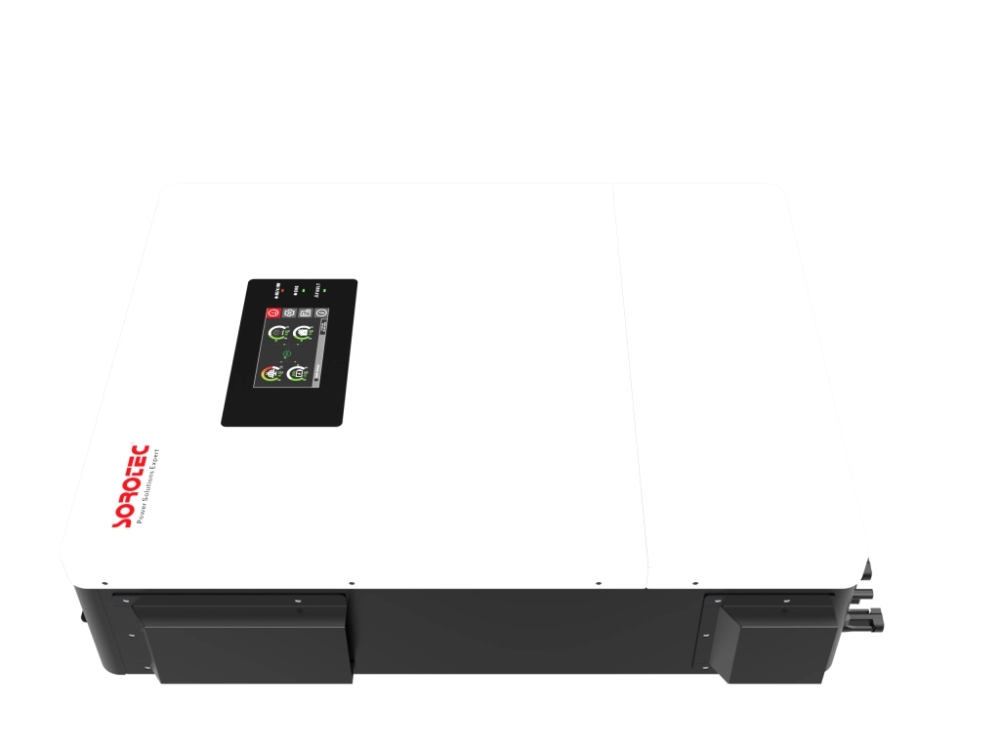
The Three-Phase IP54 REVO HMT features robust MPPT trackers designed for heavy commercial arrays. It pulls maximum power from vast, flat factory roofs. This continuous high-voltage tracking directly feeds energy-hungry commercial operations.
Scalable Parallel Operation
A growing business needs more power over time. You can connect multiple units in parallel. If your factory adds a new production line next year, you simply wire in another unit instead of replacing the whole system.
Smart Energy Storage Control
Commercial utility bills rely heavily on peak demand charges. By storing cheap energy at night and discharging it during peak afternoon hours, the system slices those demand charges down. It is a direct cut to operating overhead.
| Module Type | Standard Output Power | Peak Power Voltage | Module Efficiency |
|---|---|---|---|
| Mainstream 445Wp | 445W | 41.2V | 20.5% |
| High-Power 540Wp | 540W | 41.3V | 21.6% |
Key Considerations for System Upgrades
Upgrading to Higher-Voltage Hybrid Inverters takes a bit of planning. You cannot just swap the box on the wall and expect perfection.
Alignment of Inverter and Battery Capacity
Pairing an 800V inverter with the wrong lithium battery chemistry is a fast track to system failure. The battery management system must communicate flawlessly with the inverter. Match the charge limits carefully so the battery avoids premature degradation.
Analysis of Successful Installation Case Studies
It helps to see the hardware functioning in real-world scenarios. Check out the Case Study section. You will notice how different geographic locations handle voltage stringing. Real data points beat spec sheets every time.
Verification of Local Grid Compliance
Never buy hardware without checking local utility rules. Many regions enforce strict safety disconnect protocols. Your selected inverter needs to meet those specific grid connection standards before the utility company signs off on the project.
Partner for Advanced Solar Storage Solutions
Stop struggling with outdated hardware that clips your power production. Moving to Higher-Voltage Hybrid Inverters keeps your site running smoothly.
Decades of Industry Experience
You do not want a startup testing their first-generation electronics on your roof. Decades of focused manufacturing mean the internal components are built to last through brutal summers and freezing winters.
Professional OEM and ODM Services
Sometimes an off-the-shelf box does not fit a massive commercial deployment. If you require specific technical adjustments for regional grid codes, tailored manufacturing services are available to build exactly what your commercial site needs.
Direct Contact with Technical Support
Do not guess your string sizing. Head over to the contact page to talk directly to the service engineers. They help map out the exact panel and inverter match, keeping your solar project on budget and on schedule.
Upgrading your infrastructure is a big step. But the shift toward Higher-Voltage Hybrid Inverters is permanent. They run cooler, wire easier, and capture more power.
FAQs
Q: What makes Higher-Voltage Hybrid Inverters different from standard models?
A: They process DC power at much higher voltage ceilings, which keeps the operating current much lower. This drastically reduces heat loss in the cables and internal electronics, extending the life of the machine.
Q: Can I use my old solar panels with a new 800V inverter?
A: Usually, yes. You just wire more panels together in a single series string to reach the required voltage threshold. The technical support team can help map out the correct string sizes.
Q: Do these inverters work when the main utility grid fails?
A: Yes. They physically isolate your local network from the dead grid in milliseconds. Your connected batteries will continue to power your critical appliances without interruption.