Static inverters have become a common part of modern backup and renewable energy setups. As factories, commercial buildings, and off-grid projects move toward cleaner and more dependable power solutions, the demand for stable AC output and grid-ready performance keeps rising. Many users also look for systems that stay steady even when loads vary or when the grid experiences small disturbances. SOROTEC’s static inverter line, built for on-grid, off-grid, and hybrid use, fits these expectations well by combining stable conversion, flexible capacity, and long working life.
What Makes Static Inverters a Reliable Choice for Industrial Backup Power?
Keeping essential equipment running during a grid drop is usually the first reason companies install static inverters. Before looking at specific product features, it’s useful to understand why industries prefer static systems over rotating designs.
High-Quality Power Output for Sensitive Loads
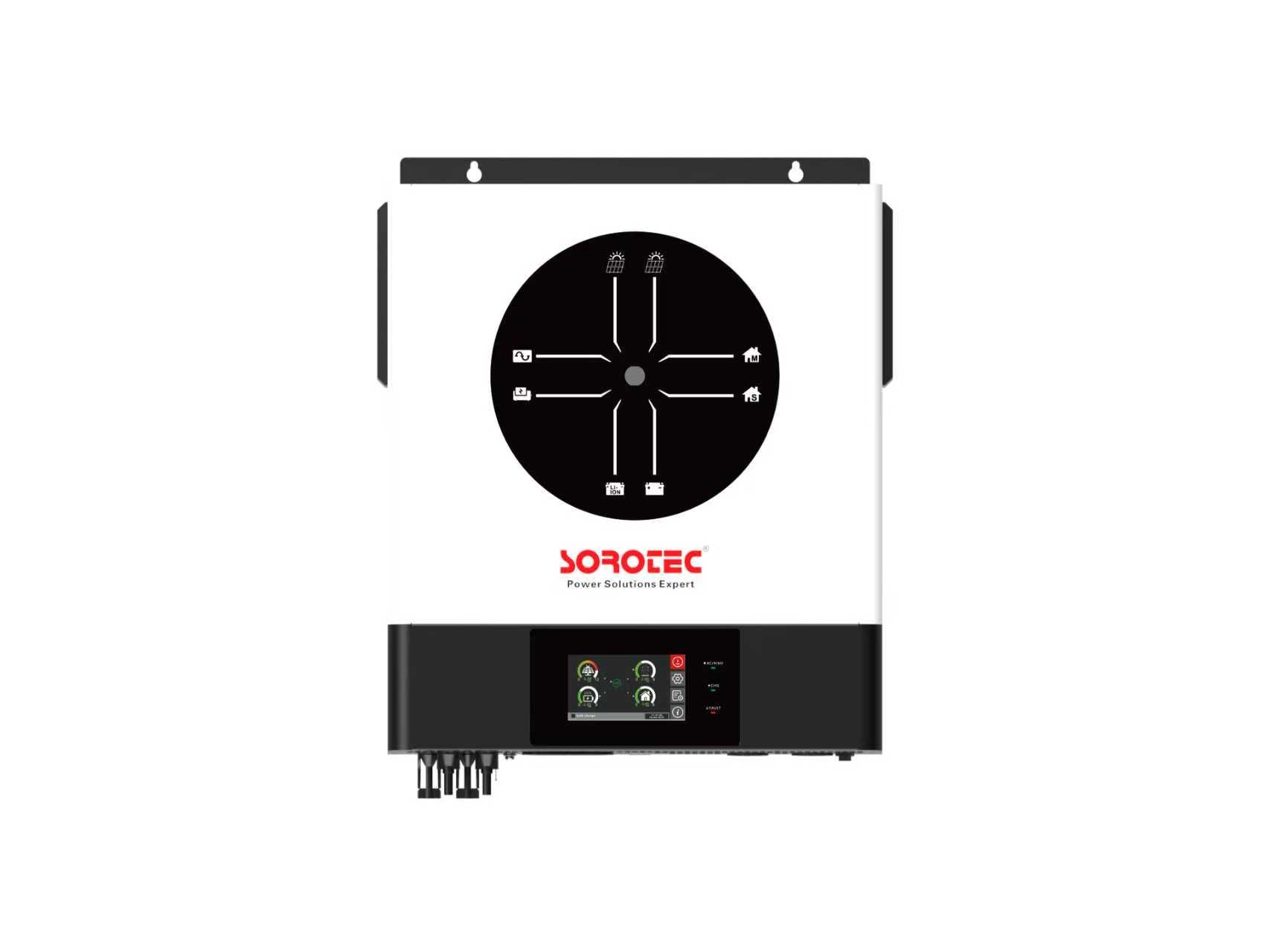
Static inverters deliver clean, stable AC power without relying on moving parts. This design reduces voltage swings, which helps protect devices like servers, sensors, telecom equipment, and small automation tools. SOROTEC’s VM IV 6/8/11KW series follows this approach by using a pure sine wave structure that keeps total harmonic distortion (THD) low even when the load jumps quickly. Many factories face unstable grid conditions during peak consumption hours, and these small disturbances can damage precision tools. Stable output reduces that risk.
To give a clearer picture, the table below shows typical THD levels for different inverter types:
| Inverter Type | Typical THD Level | Use Case |
|---|---|---|
| Old-type square wave | 20–40% | Basic home loads |
| Modified sine wave | 8–15% | Small appliances |
| Pure sine wave (SOROTEC VM series) | <3% | Industrial electronics, IT loads |
This type of output helps machines run smoother and cuts the chance of unexpected restarts during voltage dips.
Fast Transfer Response and Stable Operation
In many industrial settings, response time is a key factor. Static inverters generally shift from grid to backup power faster than rotating systems. While they do not always match the near-zero-delay transfer time of a traditional UPS, their switching time remains stable and suitable for most commercial equipment. SOROTEC’s data sheets highlight steady switching design and voltage regulation that stays within workable limits even during large fluctuations.
This gives users a backup system that works quietly in the background without adding mechanical noise or frequent service needs.
Long-Term Performance with Lower Maintenance Needs
The absence of rotating parts means fewer components wear out. Cooling fans remain the main items exposed to long-term stress, while the core inverter board stays solid for years. Industrial users that prefer predictable maintenance schedules often choose static inverters for this reason. SOROTEC’s VM and REVO series use high-temperature-resistant components and smart charging programs that help extend battery life—something helpful for facilities that run backup cycles often.
How Do Static Inverters Improve Efficiency in Renewable Energy Systems?
Renewable energy systems depend heavily on the stability of the conversion stage. Solar production changes with clouds and time of day, so the inverter must stay steady even when input levels swing. SOROTEC’s design focuses on keeping the PV side and battery side well-coordinated.
Optimized Energy Conversion for Solar Hybrid Use
Although solar production naturally fluctuates, efficient DC-to-AC conversion can make the usable output much smoother. SOROTEC’s VM IV 6–11KW applies MPPT tracking with a high PV input range, making it suitable for both small and medium solar projects. Some regions in Southeast Asia and Africa experience long hours of partial cloud cover, making efficient MPPT tracking important for stable daily output.
According to IRENA’s 2023 data, modern MPPT systems can raise daily solar yield by 15–25% compared with early PWM controllers. For hybrid solar users, this often means smaller batteries and fewer shortages during cloudy afternoons.
Flexible On/Off Grid Switching for Energy Independence
Users in regions with unstable grids often need systems that keep working even when the grid collapses. SOROTEC’s REVO VM IV 4/6KW series supports both on-grid and off-grid work modes, letting loads continue smoothly when the grid line drops. This setup is helpful for workshops, small manufacturers, and households that want a steady power source without fully depending on utility supply.
In practical use, switching modes without manual intervention reduces the risk of downtime and saves time for site managers.
Enhanced Battery Management for Higher Cycle Life
Battery life plays a major role in the total cost of a renewable system. SOROTEC’s static inverters use multi-stage charging and compatible communication with lithium battery BMS systems. This type of control helps avoid deep discharge cycles and high-temperature charging, two of the most common reasons batteries age early.
The table below shows average cycle life of common inverter battery types:
| Battery Type | Average Cycle Life | Notes |
|---|---|---|
| Lead-acid (flooded) | 500–800 cycles | Sensitive to deep discharge |
| Gel | 700–1200 cycles | Suitable for moderate loads |
| Lithium iron phosphate (LiFePO4) | 3000–6000 cycles | Most stable for hybrid systems |
Better cycle management helps keep the battery pack in good condition even under frequent cycling, especially in off-grid setups.
Why Are SOROTEC Hybrid Inverters Suitable for Residential and Commercial Projects?
Different project sizes need different power levels, different battery capacities, and different installation methods. SOROTEC’s product line covers a range that fits small homes all the way to commercial shops and small factories.
Multiple Application Scenarios Across Load Types
Hybrid inverters can power lights, pumps, small motors, and digital equipment at the same time. The REVO VM V Hybrid model supports PV + battery + grid inputs, making it suitable for a wide mix of loads. Commercial stores that need lights and POS systems running at night can rely on the battery mode, while daytime solar can cover basic consumption.
This gives users flexibility without redesigning their electrical layout.
Scalable Capacity for Future Energy Expansion
Many users start small and expand as their demand grows. SOROTEC’s VM and REVO models support parallel connection in selected power classes. This makes future upgrades straightforward—something helpful for small factories or farms adding new machines later on.
User-Friendly Monitoring and Smart Control Features
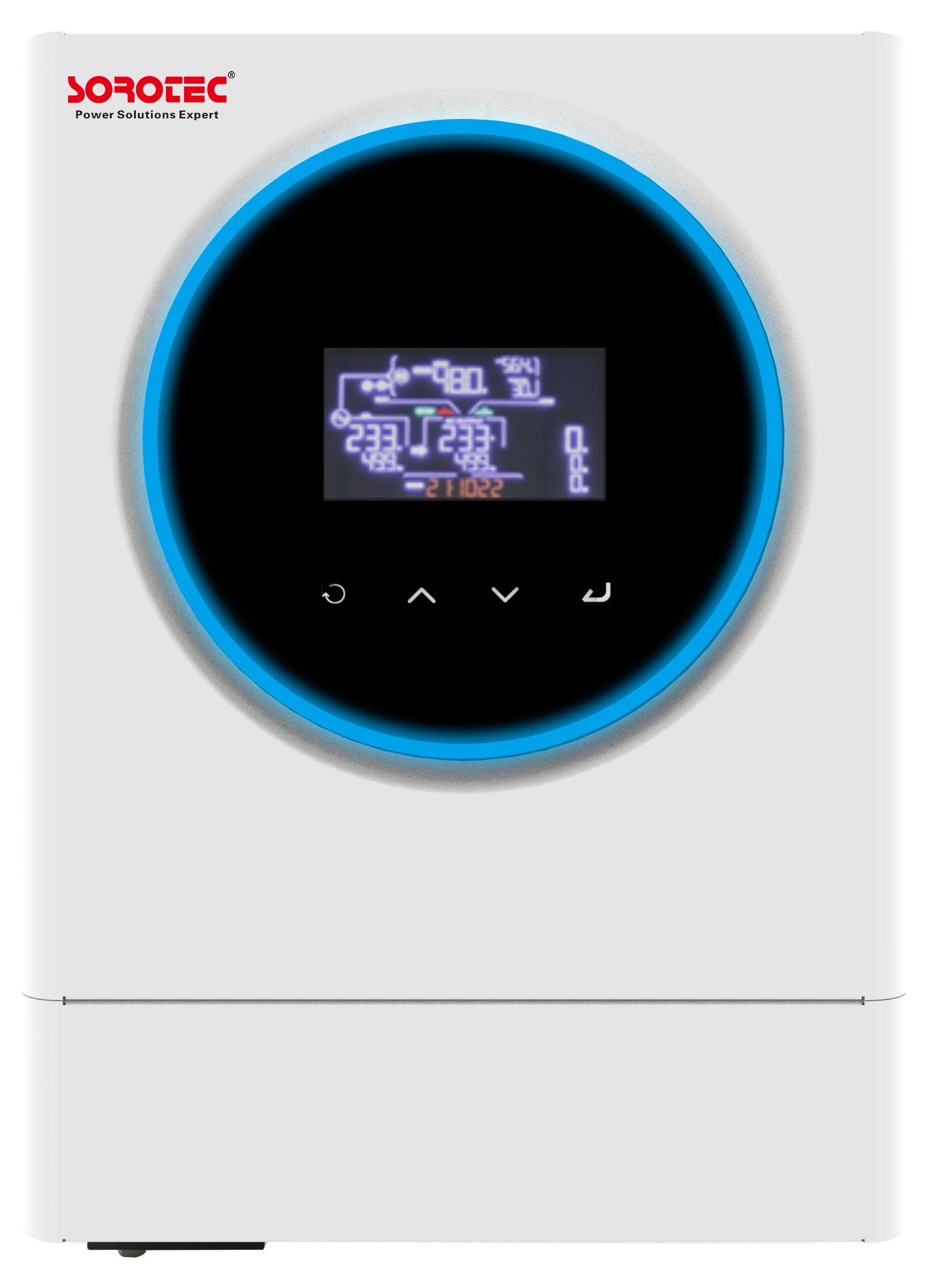
Daily monitoring helps users track how much energy comes from solar and how much from the grid. SOROTEC’s built-in LCDs, WiFi modules, and mobile monitoring tools provide simple data without requiring extra meters. The interface design stays clear so installers and owners can adjust settings without needing special training.
How Do SOROTEC Static Inverters Reduce Operational Costs?
Cost control remains one of the biggest factors in solar and backup system design. Part of the savings come from better conversion, and part from lower repair needs.
High Efficiency Conversion That Lowers Energy Loss
Higher efficiency means more usable energy and less heat. SOROTEC’s VM and REVO series commonly reach 93%–97% conversion efficiency, which matches international mid-to-high-tier inverter performance levels. Even a 2% efficiency increase can translate into noticeable power savings over thousands of hours.
Extended Battery Lifespan from Intelligent Charging
The charging program affects battery life even more than inverter efficiency. SOROTEC’s multi-stage charging helps reduce overcharging and overheating, two factors that shorten battery lifespan. In real use, longer battery life means fewer replacements, which lowers the overall cost.
Reduced Failure Rate Through Simplified Structure
Fewer mechanical parts usually mean fewer failures. Static inverters operate quietly without vibration and without the maintenance tasks associated with rotating machines. This reduces long-term service costs, especially important for remote sites where technician visits take time and money.
What Product Advantages Distinguish SOROTEC in the Static Inverter Market?
SOROTEC’s product families share a similar design logic: stable output, clear monitoring, and flexible hybrid functions. But each model also has a distinct role.
Advanced Hybrid Platforms like REVO VM V Series
The REVO VM V Hybrid stands out for combining PV input, battery storage, and grid connection in one unit. This makes it attractive for users who want a compact system rather than separate devices.
Robust Build Quality for Harsh Industrial Environments
Industrial users often face heat, dust, or long running hours. SOROTEC designs its core boards with components tested for wide temperature ranges, helping the systems run reliably in places like workshops or rural off-grid locations.
Comprehensive Product Line for Different Power Levels
From 4KW to 11KW, the VM and REVO series cover most common residential and small industrial demand levels. Installers and distributors can match different projects without switching to different brands.
FAQ
Q1: Can static inverters work with lithium and lead-acid batteries?
A: Yes. SOROTEC’s VM and REVO series support multiple battery types, including lithium iron phosphate, gel, AGM, and lead-acid packs.
Q2: Are SOROTEC hybrid inverters suitable for off-grid homes?
A: They are. Models like REVO VM V Hybrid and VM IV 6–11KW offer off-grid capability, MPPT tracking, and battery storage control for long-term off-grid use.
Q3: How long do static inverters usually last?
A: Static inverters generally have a long working life because they have no rotating parts. With normal use and proper ventilation, many systems operate for 8–12 years or more.