

Power outages are no longer rare events. Grid overloads, extreme weather, and unstable local infrastructure make backup power a real concern for modern households. From home offices and security systems to refrigerators and WiFi routers, today’s homes rely heavily on continuous electricity.
Installing a home UPS system is no longer just about backup time. It involves load planning, grid conditions, battery choices, installation environment, and daily usability. Choosing the wrong system can lead to wasted capacity, short backup time, or long-term safety risks.
This guide breaks down the key factors for home UPS installation, while showing how SOROTEC’s residential and hybrid inverter solutions fit different household scenarios.

Why Is Load Requirement the First Thing to Consider for Home UPS Installation?
Before choosing any UPS or inverter system, understanding how much power the home actually needs is the foundation. Many installation problems start with incorrect load estimates.
Total Household Power Consumption Assessment
Every home has a different load profile. A small apartment may only need backup for lights, WiFi, and a TV, while a villa may require support for air conditioners, water pumps, and home servers.
Typical essential home loads include:
- LED lighting
- Refrigerator
- Router and modem
- Television or computer
- Security cameras
Non-essential but often requested loads include air conditioners, washing machines, and microwave ovens. These loads greatly affect inverter sizing.
Table 1: Typical Household Appliance Power Ratings (Real-World Averages)
| Appliance | Typical Power (W) |
|---|---|
| LED Light (per unit) | 10–15 |
| WiFi Router | 10–20 |
| Refrigerator | 150–300 |
| Desktop Computer | 200–400 |
| Television | 80–150 |
| Split Air Conditioner (1HP) | 800–1200 |
Adding up only the loads that must stay on during an outage helps avoid oversizing and unnecessary cost.
Peak Load and Starting Surge Considerations
Some appliances draw much higher power during startup. Refrigerators, pumps, and air conditioners can briefly demand 2–3 times their rated power.
This is where many low-quality UPS systems fail. They may handle steady loads but trip during startup. SOROTEC residential inverters are designed with strong surge tolerance, which is especially important for homes using motors or compressors.
Matching Power Range With SOROTEC Home-Focused Models
For most households:
- REVO VP/VM Series (1.2–5kW) suits basic backup needs and small homes.
- REVO HM 4/6kW fits medium to large homes with higher load and solar integration needs.
These models are commonly selected because their rated output aligns well with real household usage rather than industrial overkill.
How Does Grid Availability Affect the Choice of Home UPS System?
Grid conditions directly shape which UPS architecture makes sense. Not all homes need the same level of independence.
On-Grid and Hybrid Solutions for Stable Utility Areas
In areas with reliable grids but rising electricity costs, homeowners often look for hybrid systems that combine grid power with solar and battery backup.
While the On & Grid MPGS Series 50–600kW is mainly designed for commercial and industrial energy storage, it demonstrates SOROTEC’s experience with grid-interactive energy management. The same EMS logic is scaled down and applied in residential hybrid models.
Hybrid systems allow:
- Grid power as primary supply
- Solar power during daytime
- Battery backup during outages
On and Off Grid Flexibility for Semi-Stable Power Regions
In regions where outages are frequent but not constant, flexibility matters more than full independence.
REVO HM 4/6kW is designed for this scenario. It supports:
- Grid input
- Solar input
- Battery storage
Power automatically shifts between sources, keeping essential loads running without manual switching.
Off-Grid Independence for Remote or Unstable Locations
For rural homes or off-grid properties, pure off-grid systems remain the most practical choice.
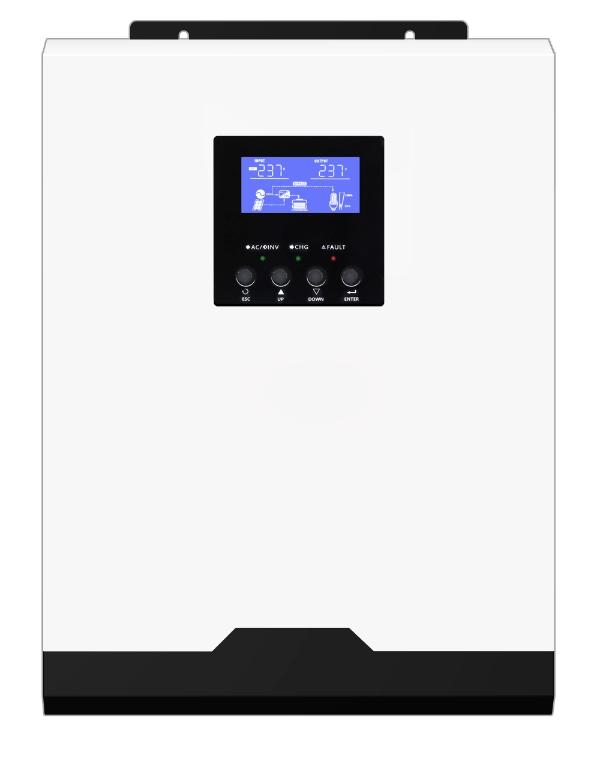
The REVO VP/VM Series provides stable pure sine wave output, making it safe for sensitive electronics while operating fully independent of the grid. This series is widely used in cabins, farms, and remote residential setups.
What Role Does Battery Configuration Play in Home UPS Installation?
The inverter may be the brain of the system, but the battery is the heart. Battery choice affects backup time, lifespan, and maintenance effort.
Battery Type Compatibility and Communication Support
Modern home systems are shifting toward lithium batteries. Compared to traditional lead-acid options, lithium batteries offer longer life and deeper discharge capability.
Table 2: Common Home UPS Battery Types Comparison
| Battery Type | Typical Cycle Life | Maintenance | Depth of Discharge |
|---|---|---|---|
| Lead-Acid (Flat Plate) | 500–800 | Regular | ~50% |
| Tubular Lead-Acid | 1200–1500 | Moderate | ~60% |
| Lithium (LiFePO₄) | 4000–6000 | Minimal | 80–90% |
SOROTEC inverters support lithium battery communication via RS485 and CAN, allowing smarter charging and longer battery life.
Battery Capacity Planning for Expected Backup Time
Battery size depends on how long backup is needed. Many households target 2–6 hours for essential loads. Oversizing batteries without a clear goal often leads to unnecessary cost.
System Scalability for Future Energy Expansion
Home energy needs change. Adding solar panels, EV chargers, or extra rooms is common. SOROTEC systems support parallel operation, making future expansion possible without replacing the entire setup.
Why Is Installation Environment Critical for Home UPS Safety and Performance?
The top inverter can still lag if placed poorly, since surroundings affect output a great deal.
Indoor and Outdoor Placement Requirements
Home UPS units typically go in service rooms, car shelters, or covered outside spots. Strong airflow matters to prevent warmth buildup, particularly in hot areas.
Protection Level and Enclosure Design Considerations
Dirt and dampness cut gear life short. Units with tough casing and built-in dirt shields hold up better long-term, especially near water or in moist zones.
Noise and Heat Management for Residential Comfort
House units need to run quietly. SOROTEC home inverters feature soft sound levels, which helps when placing near family areas.
How Do Monitoring and Control Features Improve Daily Home UPS Use?
Simple handling decides if families truly gain from their setup, as daily checks build trust.
Real-Time System Monitoring and Status Visibility
Plain screens let users see system info quickly—pack charge, load share, and current source, without confusion.
Remote Management via WiFi or Smart Interfaces
Add-on WiFi tracking lets families view status from afar. This comes in handy for empty houses or leased spots.
User-Friendly Operation for Non-Technical Homeowners
Home UPS gear shouldn’t seem like factory tools. Easy layouts, plain warnings, and auto shifts cut daily work and mistake chances.
Final Thoughts
Installing a home UPS system is not just about buying hardware. It is about matching power needs, grid conditions, battery strategy, and installation environment into one stable system.
SOROTEC’s residential and hybrid inverter lineup reflects years of experience across off-grid, hybrid, and grid-interactive projects worldwide. From compact off-grid homes to solar-assisted residences, the right configuration makes backup power reliable rather than complicated.
FAQ
Q1: What size UPS is suitable for an average home?
A: Most houses find 3–6kW enough for key items like bulbs, fridge, and web link. Bigger places with cooling might call for more power.
Q2: Is a hybrid UPS better than a traditional UPS for home use?
A: Hybrid units suit spots with sun access or steep bills best. They give backup plus lower energy costs down the line.
Q3: How long do lithium batteries last in home UPS systems?
A: Lithium packs usually hold 8–12 years in regular runs, based on cycle counts and setup factors.