

People often pick a 300Ah battery for basic home solar arrangements, portable energy systems, and simple off-grid business uses. On paper, it seems easy, but plenty of setups end up with too little power or take too long to refill. The problem isn’t the battery. Instead, it comes from the way folks figure out solar panel sizes and the manner in which the inverter works with the battery group.
To figure out the real number of solar panels required, you need to think past just the amp-hours. Things like battery voltage, the size of daily power needs, how much sun is available, and the limits on inverter charging all matter a lot. When you get these parts right, a 300Ah battery gives steady and expected results, above all when you match it with a proper SOROTEC inverter setup.
What Determines Solar Panel Requirements for a 300Ah Battery?
Before we talk about how many panels, it’s good to know what sets the charging needs. The 300Ah mark doesn’t tell you about useful energy on its own. It starts to make sense only after you factor in voltage, how deep you discharge it, and the losses in the system.
Battery Capacity And Usable Watt-Hours
A 300Ah battery holds quite different energy levels based on the system’s voltage. In actual setups, banks at 12V, 24V, and 48V show up often. The table below displays how the total energy shifts with voltage.
| Battery Voltage | Capacity (Ah) | Total Energy (Wh) |
|---|---|---|
| 12V | 300Ah | 3,600Wh |
| 24V | 300Ah | 7,200Wh |
| 48V | 300Ah | 14,400Wh |
In real use, you can’t tap into all the stored energy. For lead-acid batteries, sticking to around 50% discharge depth keeps them lasting longer, whereas lithium ones let you go to 80% or higher in many cases. So, a 12V 300Ah lead-acid battery might give you about 1.8 kWh of practical daily energy, and this approach helps avoid quick wear.
Solar Panel Output And Peak Sun Hours
Solar panels don’t put out their full rated power the whole day long. Their output relies on peak sun hours, which count the hours each day when sunlight hits full power levels. Data from the Global Solar Atlas and NREL puts many areas into these typical bands.
| Region Type | Average Peak Sun Hours |
|---|---|
| Northern Europe | 2.5–3.5 hours |
| Central US / Australia | 4.0–5.5 hours |
| Middle East / Africa | 5.5–6.5 hours |
That said, a 400W panel in a spot with 5 hours of peak sun makes about 2,000Wh each day in usual conditions, though this doesn’t include the typical losses.
System Losses And Efficiency Factors
Solidly made systems still face some energy drop-offs. Things like wire resistance, inverter changes, heat buildup, and dirt on panels all cut down the output. Field info from the industry points to total losses sitting between 15% and 25% most times. Smart designs build in about 20% loss to steer clear of setups that are too small.
How Do You Calculate The Total Solar Panel Wattage Needed?
After you get a handle on capacity and sun patterns, sizing panels turns into a clear step-by-step process, not just a wild guess. The point isn’t just to fill the battery. Rather, it’s to do that in a workable amount of time each day.
Convert 300Ah Battery To Watt-Hours
Start by turning amp-hours into watt-hours. Take a 24V 300Ah battery, for instance; it holds 7,200Wh. If you use a safe 60% of that, the daily usable part comes to around 4,300Wh. And that’s the quantity solar power has to put back after a normal drain cycle.
Estimate Daily Energy Consumption
The daily load amount shapes how fast you need to refill the battery. A little off-grid hut with lights, fans, and a fridge might draw 2–3 kWh a day. On the other hand, a small store or telecom reserve system could go over 5 kWh daily. By lining up solar supply with true load needs, you stop slow battery refill and early breakdown.
Divide By Average Peak Sun Hours
Suppose your system must replace 4,300Wh in one day, and the place gets 5 peak sun hours. Then the basic panel need lands at about 860W. Once you tack on 20% for losses, the full panel power climbs to nearly 1,050W. In everyday terms, that means three 350W panels or four 300W ones.
Which SOROTEC Inverters Are Suitable For A 300Ah Battery System?
Solar panels and batteries don’t run on their own. The inverter sets the charging current, checks voltage fit, and controls how well energy moves through the whole system. SOROTEC’s inverter options fit various load amounts and system types.
On & Off Grid REVO VM IV PRO-T 4/6KW For Hybrid Needs
They built the REVO VM IV PRO-T series for mixed systems where grid and solar work together. It handles higher PV input voltages and smart charging oversight, so it fits well with 24V and 48V battery banks around 300Ah size. For home backup jobs, this inverter speeds up battery refill and keeps grid links steady in busy load times.
Off Grid REVO VM II PRO Series For Larger Loads
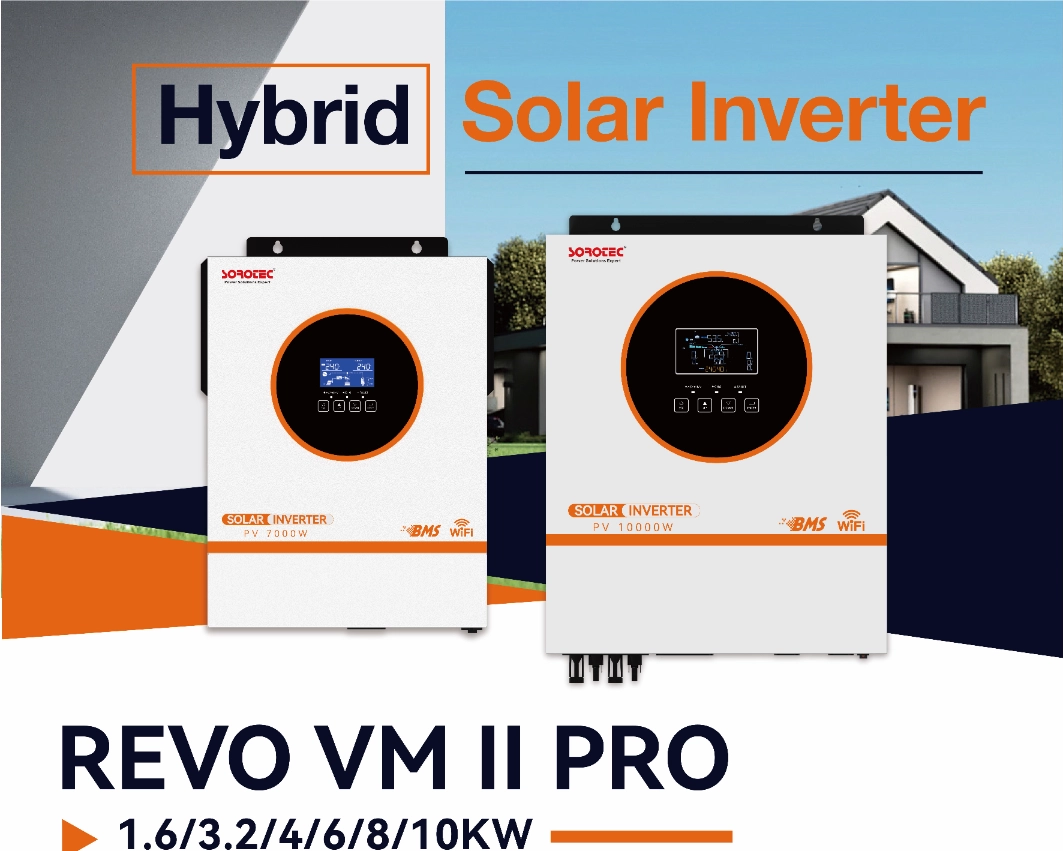
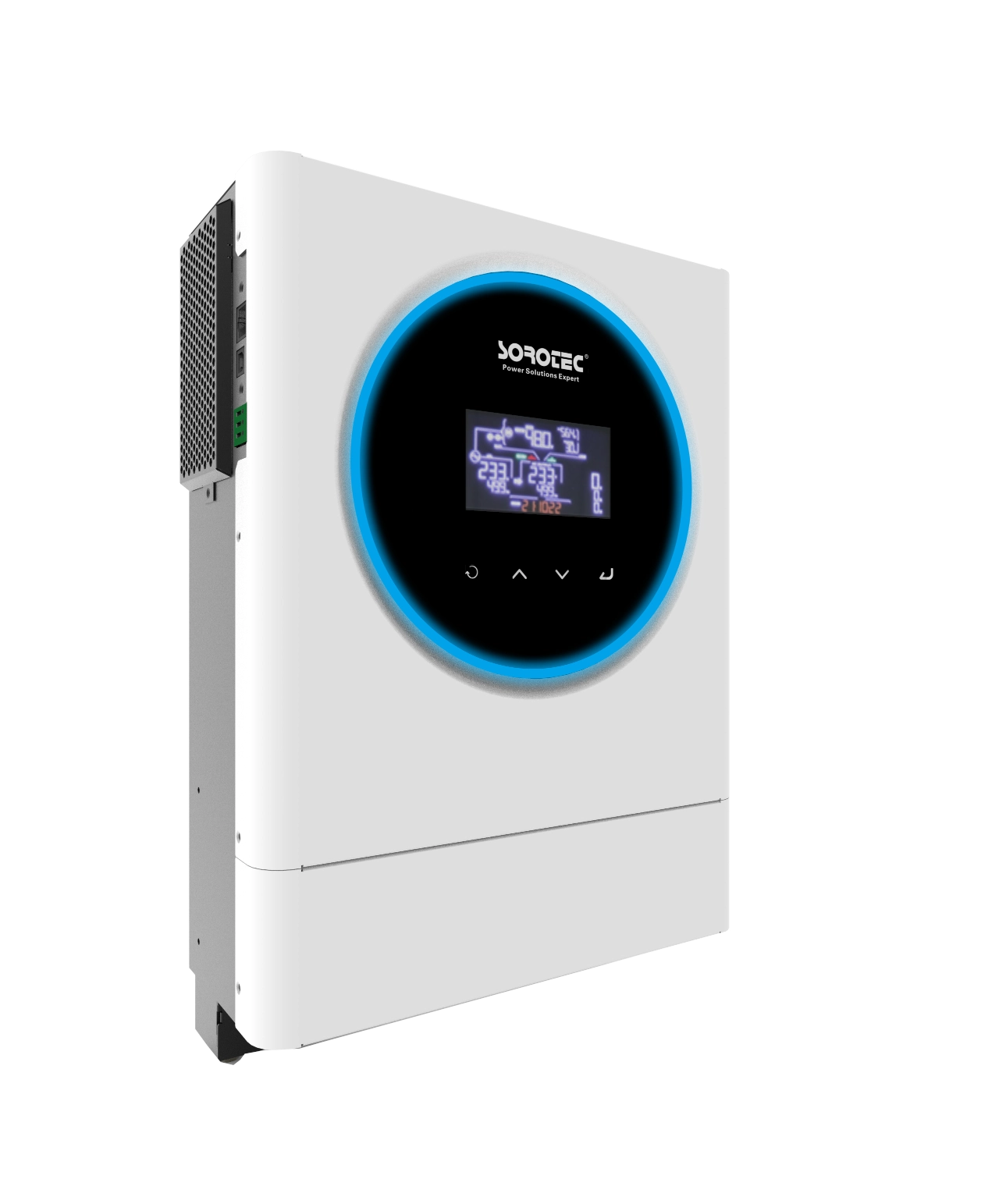
When it comes to pure off-grid work, the REVO VM II PRO series deals with bigger power pulls and wider PV setups. Models go up to 10KW, and they match nicely with bigger 300Ah lithium battery banks in places like shops, farms, and far-off spots. Plus, its solid charging current cuts down the daylight hours needed to fully refill the battery.
Off Grid REVO VP/VM Series For Compact Systems
Modest off-grid systems gain from the REVO VP/VM series. Folks use these inverters a lot in portable gear, country houses, and watch posts. Paired with just one 300Ah battery, they make for easy system builds without sinking money into too-big inverter power.
How Many Solar Panels Are Typical For Common Use Cases?
Sure, math gives you spot-on numbers, but day-to-day cases tend to stick to usual setups based on what loads you have and what the system aims to do.
Panels Needed For Lights And Small Loads
Systems that run LED lights, routers, and tiny gadgets tend to do fine with 600–800W of solar panels. Here, the 300Ah battery works as a quick backup, not a big storage tank, and that setup helps the battery last longer overall.
Panels Needed For Medium Household Loads
If you add in fridges, TVs, water pumps, and small AC units, daily use often hits 3–5 kWh. For those, 1,000–1,400W of panels is the norm. And that amount goes hand in hand with SOROTEC’s medium-power inverters, which keep charging steady without overworking the batteries.
Panels Needed For High-Demand Appliances
Big-use systems with electric stoves, work tools, or steady factory loads generally need more than one battery or a step-up in system voltage. Even so, with a single 300Ah battery, panel power usually tops 2kW to dodge drawn-out refill times and drawn-out stress on the battery.
What Other Components Affect Solar Panel Count?
Just counting panels doesn’t set how well the system runs. Other parts often decide if your planned power actually works well day to day.
Charge Controllers And Battery Charging Limits
Every battery type has a top limit for charging current. Going over it can cut short its life or set off safety stops. But SOROTEC inverters come with built-in MPPT charge controllers that handle current on their own, so you can use larger panel groups without harming the battery.
Mounting, Shading And Orientation Considerations
If panels go up at wrong tilts or get some shade in peak times, they lose a good chunk of their power. On-site checks show that even a bit of shade on one panel can drop the whole row’s output by over 30%. Getting the layout right often means you don’t need as many extra panels.
Temperature And Seasonal Variations
When panel heat goes up, solar output falls off. Above 45°C in the cells, power loss can go past 10%. Changes by season count too. Lots of systems built just for summer sun have trouble in winter unless you add some extra panel room.
FAQ
Q1: How long does it take to fully charge a 300Ah battery with solar panels?
A: How long to charge depends on battery voltage, panel power, and sun hours. In a good-fit system with 1,200W panels and 5 peak sun hours, a 24V 300Ah battery can usually fill up in one full day of sun.
Q2: Is it better to use more panels or a larger battery?
A: For most setups, adding to panel power boosts day-to-day trust more than growing the battery. Quicker fills cut battery wear and lift overall work, especially with SOROTEC hybrid or off-grid inverters.
Q3: Can a 300Ah battery support a 6KW inverter?
A: It can, but just for short runs unless voltage is up and panels are plenty. SOROTEC suggests pairing inverter power with battery drain ability and solar fill power to skip voltage falls and quick stops.