
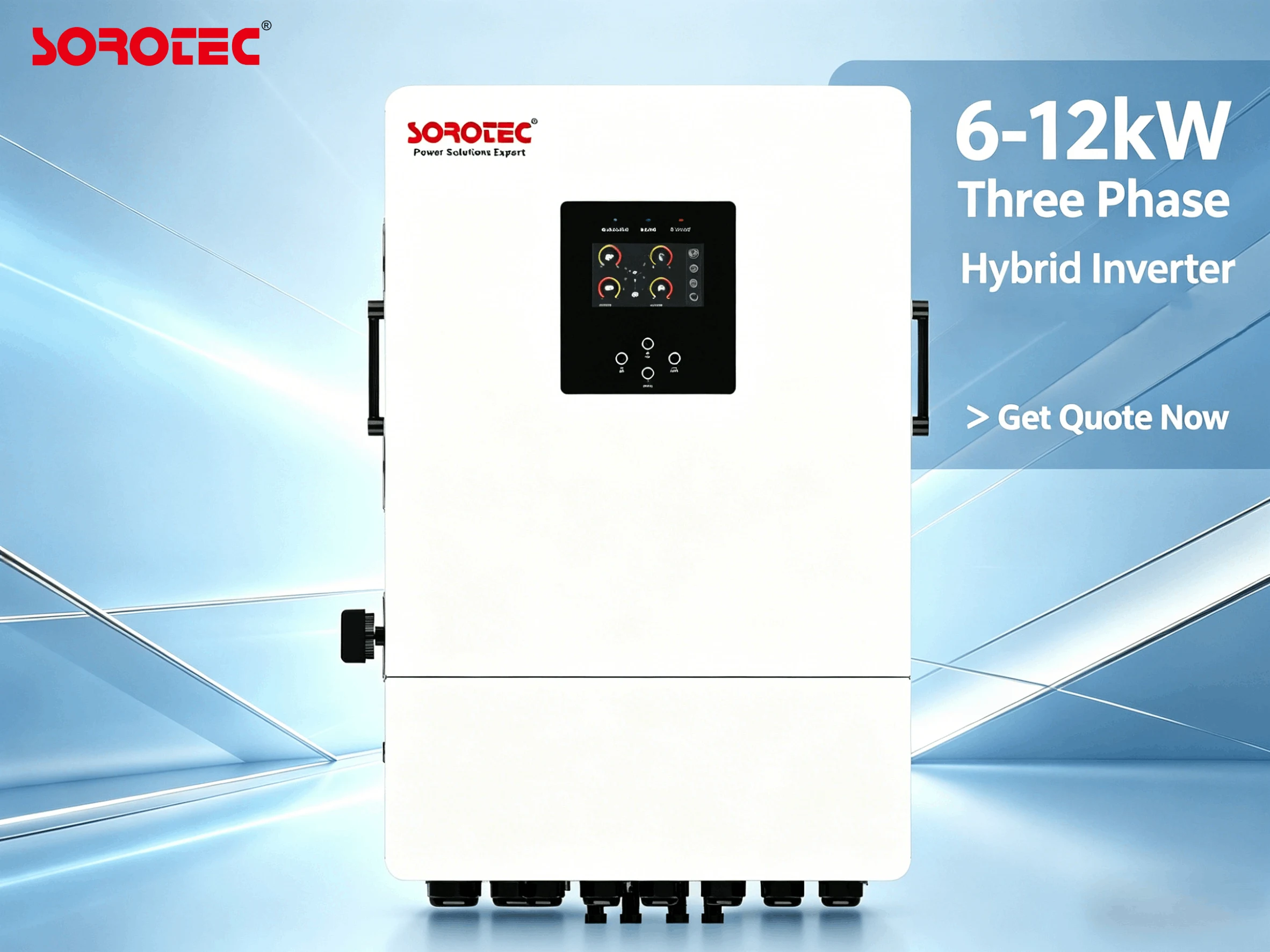
If your 3-phase solar inverter keeps Tripping, the first reaction is often frustration: the system was supposed to make power more stable, not create another problem to chase. In practice, a trip is not always a sign of equipment failure. It may point to phase imbalance, motor start-up surges, weak-grid conditions, wrong settings, or a system that was sized too close to its real peak demand.
SOROTEC has worked in power electronics and solar energy products since 2006, serving residential, commercial, and infrastructure projects in overseas markets. That matters because inverter selection is rarely just about rated power. You also need load behavior, backup requirements, expansion plans, and field conditions to line up. The company has a broader background in inverter development, energy storage, testing, and project support, which is useful when your system needs more than a simple plug-and-play answer.
Why 3-Phase Solar Inverters Trip in Real Projects
A three-phase inverter works inside a more complex electrical environment than a basic single-phase unit. That makes it more capable, but also more sensitive to load behavior across phases.
Tripping from Uneven Phase Demand
One of the most common field issues is uneven power draw between L1, L2, and L3. A site may look balanced on paper, but real use tells another story. One phase may carry refrigerators, pumps, or workshop tools, while the other two carry lighter loads. That can create operating stress, especially during backup or off-grid periods.
Research on three-phase inverter systems notes that unbalanced loading can create voltage imbalance and current-limiting challenges. In other words, a three-phase system does not just care about total kilowatts. It also cares about where that power sits.
Sudden Motor Starts and Short Surge Demand
Motors, compressors, pumps, and some HVAC equipment draw far more current at start-up than during steady operation. A system that handles a load once it is running may still struggle at the instant it starts.
This is why installers look beyond rated consumption. The surge moment matters. NREL modeling of inverter-driven systems includes transformer and motor inrush behavior because those events can change system performance during transient conditions.
Grid Voltage and Frequency Protection
Sometimes the inverter is reacting to the grid, not the load. Grid-connected inverters watch voltage and frequency conditions. If those conditions move outside allowed protection windows, the inverter may disconnect rather than continue operating through a risky state.
That kind of Tripping is a protective response, not a random shutdown. NREL testing of inverter anti-islanding behavior shows that inverters are expected to trip when voltage or frequency exceeds specific thresholds for long enough.
| Published Grid Event | Reported Result | Why It Matters |
|---|---|---|
| 2016 Blue Cut Fire Fault Event | About 1,200 MW of solar PV resources tripped offline | Protective functions can disconnect large amounts of inverter-based generation |
| 2017 California Fault Events | About 900 MW tripped through voltage protective relay actions | Voltage-related trip behavior is a real grid issue, not just a small-system nuisance |
These were utility-scale events, not home systems, but they show why inverter protection logic matters. Modern systems need protection, yet they also need suitable ride-through behavior and better matching with real site conditions.
The First Checks Before You Blame the Inverter
When a system trips repeatedly, it helps to troubleshoot in a fixed order. Guessing wastes time. A breaker does not care that the brochure looked perfect.
Phase Current and Load Distribution Review
Start by checking whether one phase carries much more current than the others. If only one phase is overloaded while the total site power still looks acceptable, the system may trip even though the overall load figure seems “within range.”
This is especially important in mixed-use buildings, villas, farm houses, and light commercial sites where loads are added over time rather than designed all at once.
Start-Up Current and Peak Demand Review
Check what happens in the first second after large loads start. A water pump, air compressor, freezer compressor, or large ventilation fan may be the trigger. If Tripping appears only when one of those loads starts, the problem is probably not random.
The right question becomes:
Can the inverter cover both the running load and the short surge event?
Wiring, Settings, and Fault Logs
Look at the basics too:
-
terminal tightness;
-
grounding quality;
-
AC and DC parameter settings;
-
alarm history;
-
repeated timing patterns.
Many inverter systems record operating faults and monitoring data for later review. That is useful because repeat alarms often reveal whether the trip came from overload, grid conditions, or abnormal operating input. The uploaded inverter knowledge material also emphasizes fault recording and remote monitoring as part of modern inverter operation.
Common Scenarios in Homes and Light Commercial Sites
Different sites trip for different reasons. The technical cause may be similar, but the pattern often changes with the application.
Large Homes with Uneven Single-Phase Loads
A large residential property may have pool equipment, water heating, a garage charger, or several heavy appliances tied unevenly across phases. During normal grid operation, the imbalance may stay hidden. During backup mode, it can become obvious fast.
Three-phase systems need to be judged by phase behavior, not only by total household demand.
Pumps, Compressors, and Workshop Equipment
Small businesses often use “not very large” equipment that still creates harsh short peaks. A workshop air compressor, irrigation pump, or refrigeration compressor may run only part of the time, but the start-up event is what stresses the inverter.
This is why a system that looks fine under steady load can still show trouble during daily operation. Real load profiles are messier than neat design tables. That is simply how buildings work.
Backup Operation During Weak-Grid Events
Hybrid systems are often expected to move between grid-connected and backup operation. That transition matters. If the grid is unstable and the backup load is already heavy, the inverter must react quickly while handling changing operating conditions.
Protective trips related to voltage and frequency are well documented in inverter-based resources. The lesson for smaller projects is straightforward: backup design should include load quality, transfer behavior, and short-term overload expectations, not just battery size.
How Three-Phase Output iHESS L3P G2 Helps Reduce System Stress
A better inverter cannot correct poor wiring or unrealistic load planning. It can, however, give you more usable headroom in the exact places where three-phase systems often struggle.
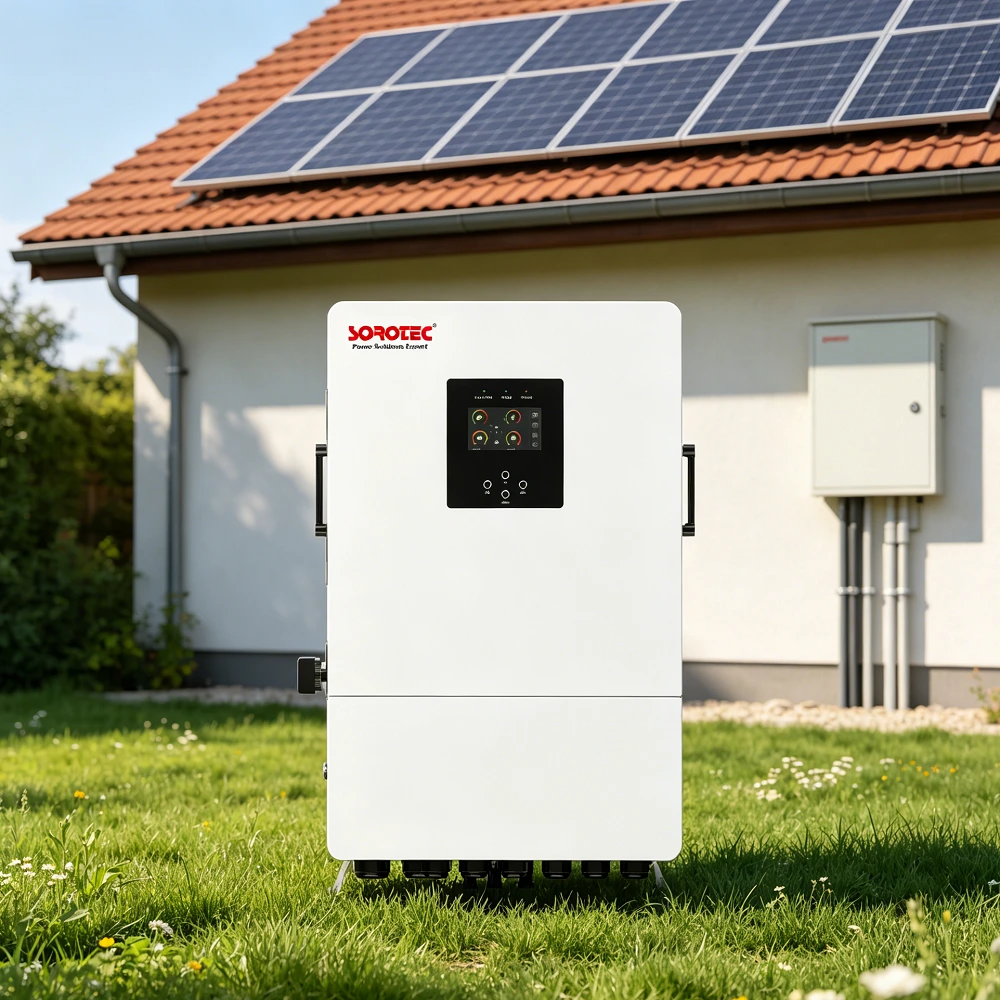
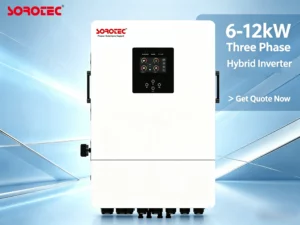
The Three-Phase Output iHESS L3P G2 is especially relevant for projects facing uneven phase demand, higher transient loads, or future growth.
Phase Imbalance Support
This model supports 100% unbalanced three-phase operation, with each phase able to deliver up to 50% of rated power. That design directly addresses one of the most common weak points in real three-phase installations: loads rarely spread themselves politely across all phases.
Fast Backup Switching and Short Overload Headroom
The unit also lists:
-
less than 10 ms utility-grid switching;
-
200% off-grid overload capacity for 10 seconds;
-
an 800 V MPPT system with a 200–650 VDC range;
-
smart charging support for diesel generators.
Those features matter when the system faces sudden load changes, unstable supply conditions, or backup operation with critical equipment. It does not mean every Tripping event disappears. It means the system is better built for many conditions that commonly expose a weak design.
Parallel Expansion for Larger Sites
The product can be paralleled up to six units to create a 72 kW energy storage system. That gives larger projects a cleaner upgrade path, especially when the site load is expected to rise after installation. Planning for growth early is usually cheaper than rebuilding the system later.
| Field Problem | Product Feature | Practical Effect |
|---|---|---|
| Uneven load across phases | 100% unbalanced output, each phase up to 50% of rated power | Better fit for real three-phase demand patterns |
| Short surge from motors or pumps | 200% off-grid overload for 10 seconds | More short-term headroom during start-up |
| Sensitive backup transfer | <10 ms switching | Faster move from grid to backup operation |
| Higher PV-side flexibility | 800 V MPPT, 200–650 VDC | Supports broader PV string design |
| Future load growth | Up to 6 units in parallel, 72 kW total | Easier scale-up for larger projects |
How to Prevent Repeat Problems in Future System Design
Fixing one shutdown is useful. Preventing the next one is better.
Real Load-Based Sizing
Do not size the inverter from average energy use alone. Include:
-
maximum simultaneous load;
-
start-up current of inductive equipment;
-
backup-mode demand;
-
phase-by-phase distribution.
Recurring Tripping often points to a design gap rather than a one-off incident.
Phase Planning for Daily and Peak Demand
When a site uses three-phase power, phase planning deserves attention early. Check which devices sit on each phase. Review future additions too. A workshop may add a compressor next year. A villa may add a pool pump or charger. Those changes can shift the balance quickly.
Protection Margin, Monitoring, and Upgrade Paths
A practical system leaves some room. It also records useful fault data and gives the installer enough information to act quickly when something changes.
For larger or more demanding sites, product scalability matters. Parallel-ready systems, stronger unbalanced-load handling, and faster backup response can make the difference between a fragile setup and one that works comfortably through daily variations.
Product Selection, Service, and Contact Support
A trip event should be treated as a signal. Sometimes it points to wiring or settings. Sometimes it points to a weak phase layout. Sometimes it shows that the system has outgrown the original design. Tripping should not be ignored, but it also should not be blamed on the inverter before the load story is clear.
For project reference, the case-study library can help you review different solar and storage application directions. When you need product selection, technical service, or direct project discussion, feel free to reach the team.
FAQ
Q: What does repeated Tripping usually mean in a 3-phase solar inverter system?
A: It often points to phase imbalance, surge demand, grid voltage or frequency events, wiring issues, or incorrect system sizing. The inverter may be protecting itself rather than failing.
Q: Can phase imbalance really shut down a three-phase inverter?
A: It can contribute to stress, especially when one phase carries a much heavier load than the others. That is why three-phase systems should be checked phase by phase, not only by total power.
Q: How can a better three-phase inverter reduce nuisance shutdowns?
A: Features such as stronger unbalanced-output handling, short-term overload capacity, faster backup switching, and room for parallel expansion can make the system better suited to real loads and reduce avoidable instability.