
Choosing between sine wave and square wave inverter batteries has become a common question for many households, especially as more homes shift toward solar and energy-storage systems. While both waveform types deliver backup power, they perform very differently once loads become more complex. Modern appliances, refrigerators with smart boards, variable-speed air conditioners, and LED lighting all have their own needs, making the choice even more important.
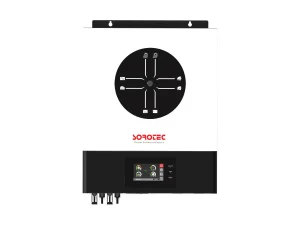
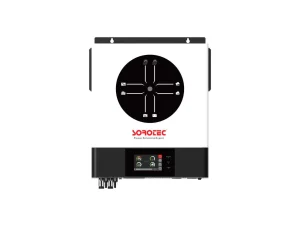
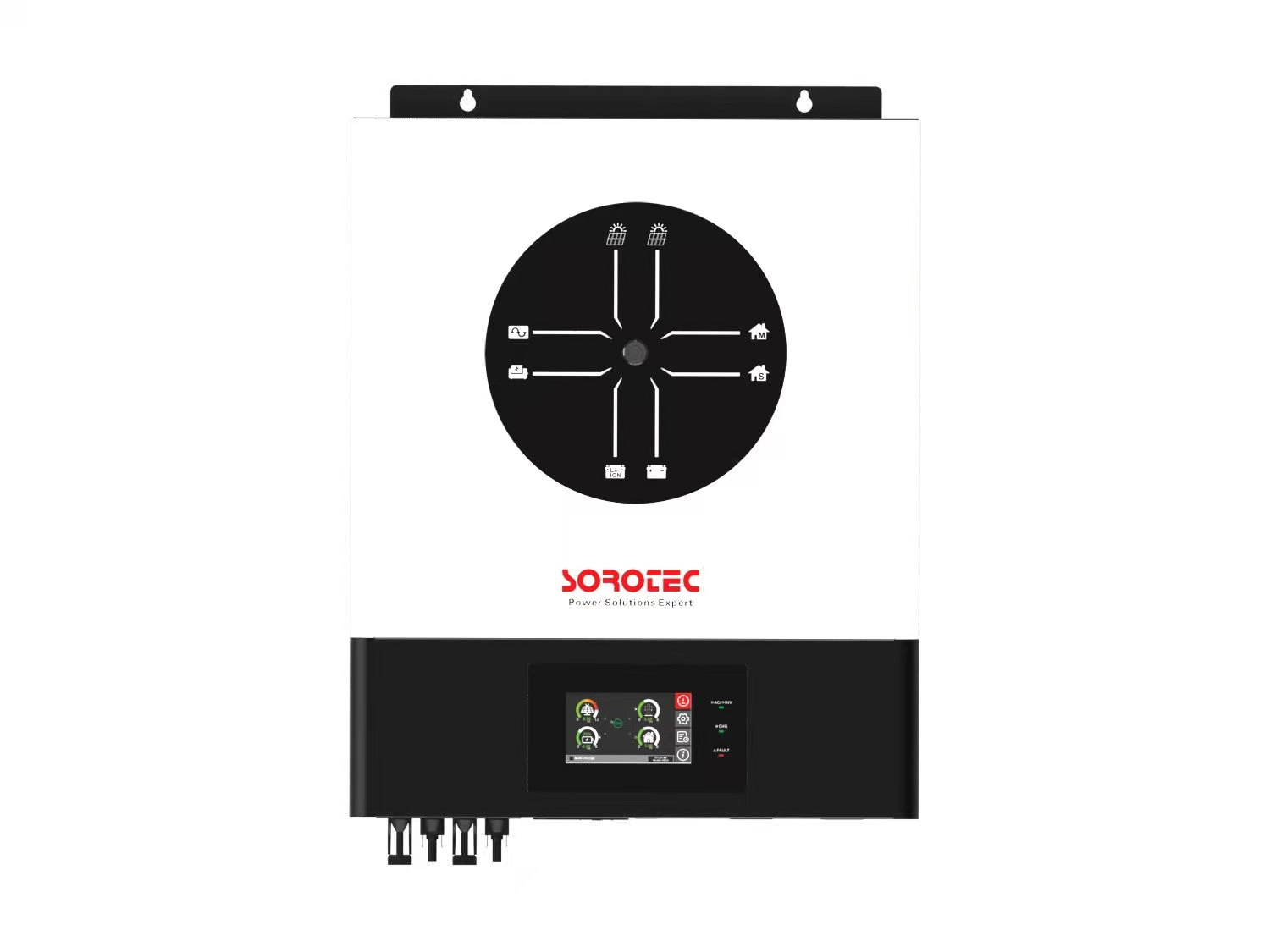
SOROTEC, known for its long-running work in residential and small-commercial power solutions, offers several inverter and storage systems based on pure sine wave technology. These systems—including the ALL-IN-ONE iHESS L3P G2, REVO VM V Hybrid, and REVO MPI Off-Grid Inverter—help explain how waveform quality affects daily use, system lifespan, and long-term stability.
Why Do Homeowners Need To Compare Sine Wave and Square Wave Inverter Batteries?
Understanding the difference between sine wave and square wave systems helps clarify why certain households experience flickering lights, buzzing appliances, or heating issues when using lower-grade backup solutions. The following sections highlight what really separates the two waveforms in daily use.
Output Quality and Device Compatibility
Before looking at energy efficiency, it’s helpful to understand how each waveform interacts with electrical devices. Square wave inverters generate a stepped output that works for simple resistive loads, such as older fans or basic lights. But once the load becomes sensitive or electronic-heavy, the signal becomes a problem. Appliances detect distortion, and many devices draw more current than normal.
By comparison, a pure sine wave inverter produces a smooth AC curve similar to grid power. This cleaner output works safely with modern appliances, reducing electrical noise and heat buildup.
Below is a real industry comparison referenced from IEC THD guidelines and appliance compatibility data:
| Item / Parameter | Pure Sine Wave | Square Wave |
|---|---|---|
| Typical THD (Total Harmonic Distortion) | 3–5% | 40–45% |
| Suitable for compressors, smart TVs, inverter AC | Yes | Mostly No |
| Motor heating increase | ~3% | Up to 20% |
| LED light flicker risk | Very low | High |
| Average efficiency with electronic loads | 90–93% | 75–80% |
The REVO VM V Hybrid On & Off Grid Energy Storage Inverter uses a high-precision pure sine wave output, allowing it to power appliances with microprocessor boards and smart sensors without noise or signal disturbance. This becomes especially noticeable when running refrigerators, washing machines, or routers during an outage.
Energy Efficiency Differences Between the Two Waveforms
Once households begin using more electronics, waveform efficiency starts to matter. Square wave signals cause motors and transformers to vibrate and heat up, which wastes energy and shortens equipment lifespan. In many cases, users report that fans run slower and consume more current because the waveform is not smooth.
Pure sine wave systems run cooler and draw power more naturally. They avoid the harsh switching characteristics of square waves and reduce the extra current spikes that often occur.
SOROTEC’s REVO MPI Photovoltaic Inverter, commonly used in pure off-grid installations, shows this difference clearly. Its high PV-to-AC conversion efficiency—reaching above 93% under rated load—comes from pure sine wave architecture that matches the grid curve more closely.
Battery Lifespan and Charging Performance
Another factor many households overlook is how the waveform indirectly affects battery charging and discharging. Square wave inverters typically lack advanced charging control, and their harsher output can trigger higher peak currents. This may shorten battery cycle life over time.
Pure sine wave systems manage current more smoothly, reducing stress on both lithium and lead-acid batteries.
SOROTEC’s iHESS L3P G2 Home Energy Storage System integrates a smart BMS that interacts with the pure sine wave output, helping the battery avoid sudden current jumps. This contributes to longer cycle life, particularly in daily cycling solar homes.
Here is a real battery lifespan comparison based on typical cycle-stress behavior:
| Battery Type | Cycle Life With Pure Sine Wave | Cycle Life With Square Wave |
|---|---|---|
| Lead-acid (deep cycle) | ~1,200–1,500 cycles | ~800–1,000 cycles |
| Lithium (LFP) | ~5,000–6,000 cycles | ~3,500–4,000 cycles |
The gap widens even more when households run compressors or motor-driven devices daily.
Safety and Stability Under Different Load Conditions
Safety becomes a bigger topic as homes install larger appliances. Square wave inverters introduce higher harmonic content, which drives up heat inside transformers and motors. Over time, this may cause insulation damage or trigger nuisance tripping.
Pure sine wave inverters maintain lower noise and more predictable voltage behavior, making them suitable for high-demand homes and small commercial setups.
SOROTEC’s inverters follow well-known safety certifications (such as CE, IEC, and EMC compliance), which reflect limits on distortion, thermal rise, and electrical noise. These certifications are more difficult to achieve when using square wave designs.
Suitability for Solar + Storage Integration
With solar becoming more common, waveform choice strongly affects PV output stability. Square wave systems rarely support high-efficiency PV charging, and in many cases cannot synchronize with MPPT systems properly.
Pure sine wave architectures allow smooth handover between solar, battery, and grid—something that hybrid systems rely on daily.
SOROTEC’s REVO and iHESS series, built around pure sine wave output, are able to manage PV, battery, and load switching without abrupt changes in voltage or frequency. This makes energy management more stable during cloud movement or at sunset.
How To Select the Most Suitable Inverter Battery for Your Home?
Once the differences between waveforms are clear, the next step is to match each technology to actual home scenarios. The following sections outline common situations and the systems that usually fit best.
Pure Sine Wave System for Sensitive and High-End Appliances
Many modern homes run appliances that rely on smart chips and variable-speed motors. Devices like inverter refrigerators, induction cookers, laser printers, or medical equipment cannot tolerate the rough edges of a square wave system.
The REVO VM V Hybrid fits these homes well because it supports both grid connection and off-grid operation, while providing clean AC output. This makes it useful for households that experience occasional outages but still want reliable support for sensitive appliances.
Integrated All-in-One Storage Systems for Whole-Home Backup
Larger homes or multi-floor villas often require a three-phase backup solution. A split architecture with separate batteries can be replaced by an integrated system that combines inverter, BMS, and battery modules in one outdoor-rated enclosure.
For these cases, the iHESS L3P G2 provides a simple approach. With IP66 protection, it can be installed outdoors, supporting 6–12 kW loads and maintaining stable output even when multiple large appliances run together.
Cost-Sensitive Users Who Need Basic Backup Power
Some households only need to run fans, a few lights, and small electronics during short outages. In such cases, square wave inverters may seem cost-friendly. They work for basic loads but fall short in compatibility with electronics.
Many homes eventually transition to pure sine wave systems because the long-term benefits—lower heat, fewer appliance failures, smoother charging—end up saving more money.
Homes Targeting Long-Term Efficiency and Battery Longevity
Where daily cycling is expected, especially in homes using solar every day, pure sine wave systems offer better long-term value. Less heat, smoother current flow, and better battery communication all contribute to longer system performance.
The REVO MPI, designed for off-grid environments, is an example of how a pure sine wave inverter can support continuous PV operation without stressing the battery.
Which SOROTEC Products Fit Different Household Scenarios?
Understanding waveform behavior leads naturally to evaluating which product suits which home type. Each SOROTEC system targets a different usage scenario.
iHESS L3P G2 for Whole-Home Three-Phase Backup
Three-phase households or villas needing full-home backup often choose a system built to handle large loads.
The iHESS L3P G2 combines a robust inverter, lithium battery modules, and smart BMS control in a single outdoor-rated cabinet. It supports 6–12 kW output and manages charging from PV or the grid, making it suitable for long power outages and whole-house protection.
REVO VM V Hybrid for Solar + Grid Flexibility
Homes that want both solar savings and a dependable backup system often use hybrid inverters.
The REVO VM V provides clean sine wave output and supports multiple power modes, remote monitoring, and lithium battery integration. It works well for households looking to reduce grid use without complicating their wiring setup.
REVO MPI for Pure Off-Grid Photovoltaic Systems
Remote homes, farms, or shops operating without grid access rely on stable off-grid power.
The REVO MPI focuses on solar priority operation and stable sine wave output, making it suitable for day-long PV operation and continuous off-grid usage.
FAQs
Q1: Are square wave inverters still used today?
A: Square wave inverters still appear in low-cost products and small backup units, but most modern homes prefer pure sine wave systems because they work better with electronics and motors.
Q2: Can a square wave inverter damage appliances?
A: While damage is not immediate, long-term heat buildup, noise, and stress on motors or power supplies can shorten the lifespan of sensitive appliances.
Q3: Is pure sine wave always the better choice?
A: For most modern homes—especially those with smart appliances, solar systems, or lithium batteries—pure sine wave systems provide better compatibility, smoother performance, and longer system life.