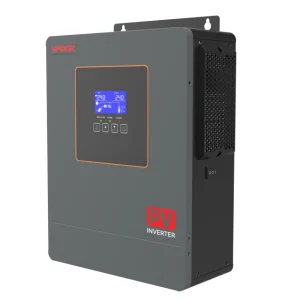

In today’s world where power outages happen more often, folks rely on inverters and UPS systems to keep their devices running. Simulated sine wave and pure sine wave stand out as two main types of waveforms in these setups. This post dives into how they stack up, especially for PCs and UPS applications. Drawing from real-world uses at SOROTEC, a company focused on photovoltaic inverters, energy storage, and telecom power solutions, the discussion highlights practical differences. SOROTEC, based in Shenzhen, has built a reputation since 2006 for reliable products that blend solar power with backup systems, serving governments, finance, and industry across the globe.
What is Simulated Sine Wave and Its Role in PCs?
Simulated sine wave, sometimes called modified sine wave, mimics the smooth curve of a true AC waveform but in a stepped, blocky way. It gets the done for basic power needs without the fancy curves.
Definition and Waveform Characteristics
This waveform looks like a staircase rather than a gentle wave. It switches between positive and negative voltages abruptly, creating a rough approximation of the grid’s AC power. While it works for many gadgets, the sharp edges can cause buzzing or heat buildup in some equipment.
Moving from basics to everyday use, simulated sine wave finds its place in setups where cost matters more than perfection.
Applications in Budget PC Setups
For home offices or small setups, simulated sine wave inverters power PCs during short blackouts. They handle fans, monitors, and basic hardware without issues, making them popular for folks on a tight budget. In places like remote areas or basic workshops, these inverters keep things going without breaking the bank.
But not everything runs smoothly on this waveform, leading to drawbacks that show up with more delicate gear.
Limitations for Sensitive Devices
Sensitive parts in PCs, like hard drives or power supplies, might face stress from the rough waveform. Over time, this could lead to shorter lifespan or odd noises. For high-end gaming rigs or servers, the risk of glitches makes simulated sine wave less ideal.
To put numbers on it, here’s a quick comparison of key performance aspects based on industry data:
| Aspect | Simulated/Modified Sine Wave | Pure Sine Wave |
|---|---|---|
| Efficiency | 75-85% | Over 90% |
| Compatibility | Basic appliances, lights | All devices, including sensitive electronics |
| Noise/Heat Generation | Higher, can cause buzzing | Low, quiet operation |
| Appliance Lifespan Impact | Potential reduction due to stress | Extended lifespan |
Shifting focus, it’s worth looking at why many PC users stick with this option despite the downsides.
Why Do PCs Often Use Simulated Sine Wave Inverters?
PCs don’t always need the smoothest power, so simulated sine wave steps in as a practical choice. It balances affordability with basic functionality in many scenarios.
Cost-Effective Power Conversion
These inverters cost less to make and buy, which appeals to everyday users. For a simple desktop setup, they convert DC to AC without fancy tech, keeping prices down while providing enough juice for routine tasks. Typical price ranges show modified versions running $50-600, while pure sine wave models often hit $150-900.
Beyond cost, they offer a safety net during power dips, which ties into their common role.
Basic Protection Against Outages
When the grid fails, simulated sine wave kicks in quickly to prevent data loss on PCs. It gives enough time to save work or shut down properly, acting as a bridge until power returns. In home environments, this level of backup suits most needs without overcomplicating things.
Still, compatibility plays a big part in why they’re chosen for certain loads.
Compatibility with Non-Critical Loads
For lights, fans, or older PCs, this waveform works fine. It doesn’t demand perfect power quality, so non-critical setups run without hitches. However, for precision work or modern electronics, the story changes.
Here’s a table showing common appliance compatibility from reliable sources:
| Appliance Type | Simulated/Modified Sine Wave | Pure Sine Wave |
|---|---|---|
| Lights/Fans | Excellent | Excellent |
| Basic Power Tools | Good | Excellent |
| Refrigerators/Motors | Reduced efficiency, hotter running | Full efficiency |
| Computers/Laptops | Basic OK, potential issues | Fully compatible |
| Medical Equipment | Not recommended | Safe and reliable |
Turning to the other side, pure sine wave brings a cleaner approach that shines in UPS systems.
What Advantages Does Pure Sine Wave Offer for UPS Systems?
Pure sine wave matches the grid’s smooth flow, making it a go-to for reliable backup. This waveform avoids the rough edges, leading to better performance across the board.
Smooth and Stable Output
The wave curves gently, just like utility power. This stability means less interference, so devices run quieter and cooler. In UPS setups, it ensures seamless transitions during outages.
With stability comes better safeguarding for gear, which builds on the smooth operation.
Enhanced Device Protection
Sensitive electronics, from servers to medical equipment, stay safe from voltage spikes or harmonics. Pure sine wave reduces wear, extending life for components in UPS-protected systems. At SOROTEC, this protection aligns with their focus on stable power for critical fields like communications and healthcare.
Adding to that, efficiency stands out in how energy gets stored and used.
Superior Efficiency in Energy Storage
In storage setups, pure sine wave wastes less power during conversion. It pairs well with batteries, pulling more usable energy and cutting down on recharge times. This makes it ideal for off-grid or hybrid systems where every watt counts.
Now, seeing how SOROTEC weaves this tech into their lineup shows real-world application.
How Does SOROTEC Integrate Pure Sine Wave in Products Like REVO VM V?
SOROTEC builds pure sine wave into their REVO series, blending it with solar and grid options. This approach fits their business in new energy and power electronics, offering solutions that handle diverse needs.
Hybrid On/Off-Grid Functionality
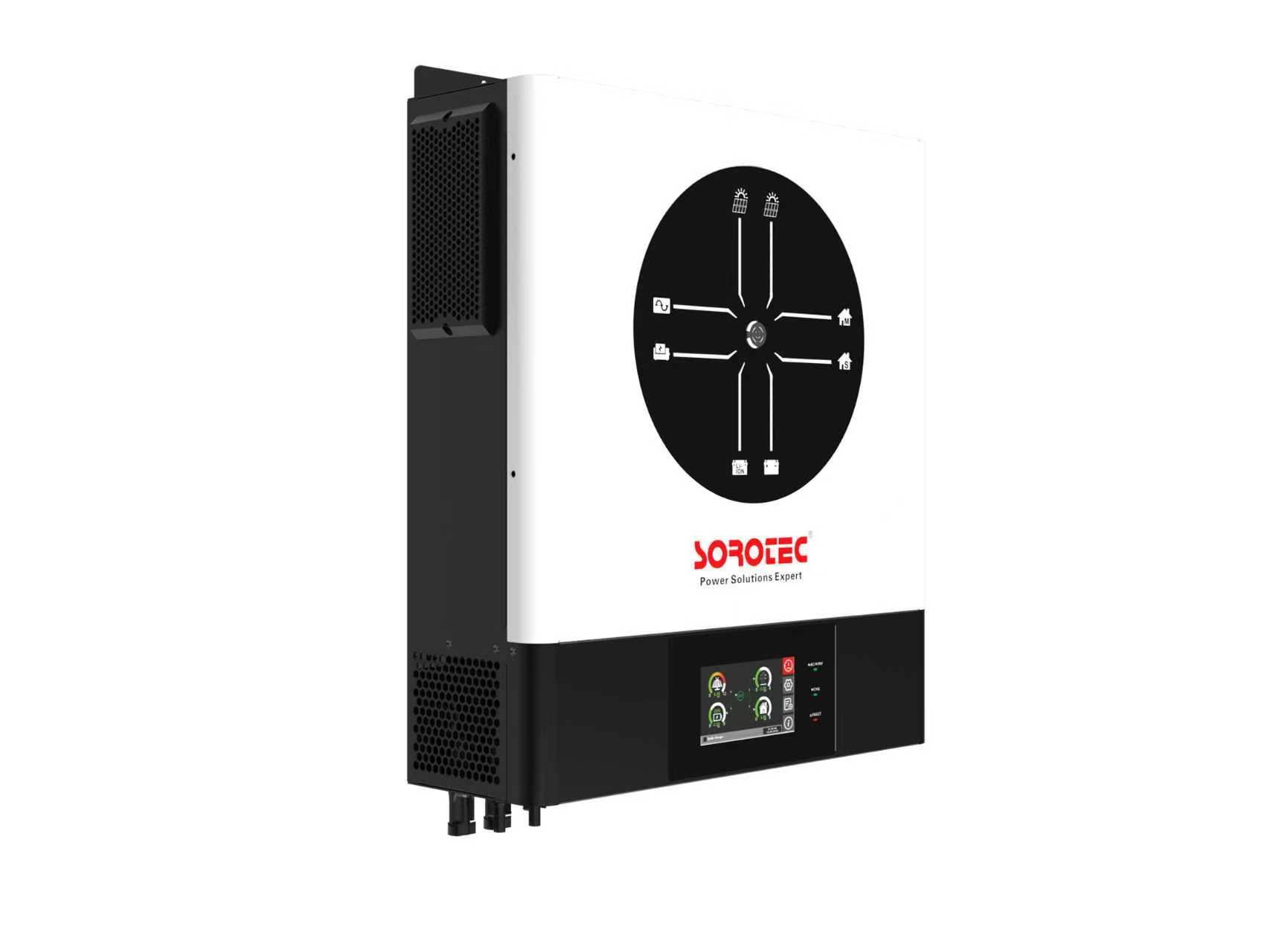
The REVO VM V works both on and off the grid, switching seamlessly with pure sine wave output. It supports lithium batteries via RS485 or CAN ports, and runs without batteries if needed. In home or small business setups, this flexibility keeps power steady during shifts. Building on hybrid capabilities, solar integration takes center stage.
Optimized for Photovoltaic Integration
With max solar charging up to 120A, it pulls from PV panels efficiently. The pure sine wave ensures clean power for loads, boosting overall system performance. SOROTEC’s focus on smart new energy shines here, helping users tap into renewables without glitches. Reliability wraps it up, especially for key applications.
Reliable Backup for Critical Applications
In outages, the inverter delivers uninterrupted power, protecting data centers or telecom gear. Upgrades via WiFi keep it current, while grid-connected options add versatility. This ties into SOROTEC’s global reach, serving Europe, Africa, and beyond with trusted backups.
Exploring specific models highlights how these benefits play out over simulated alternatives.
Which SOROTEC Models Best Demonstrate Pure Sine Wave Benefits Over Simulated?
SOROTEC’s REVO lineup shows clear edges with pure sine wave, outshining simulated versions in stability and efficiency. Real cases from their database underscore these points.
REVO MPI 6kW/10kW for Off-Grid Supply
This model delivers pure sine wave in off-grid mode, with 97% efficiency and lightweight design. In Afghanistan parallels, it handled up to 9 units for 49.5kW, powering local networks without interruptions. Compared to simulated wave, it avoids heat issues in sensitive loads like elevators, boosting solar use by over 15%. Similar strengths appear in other models for mixed operations.
REVO HMT-G2 6kW for Dual-Mode Operation
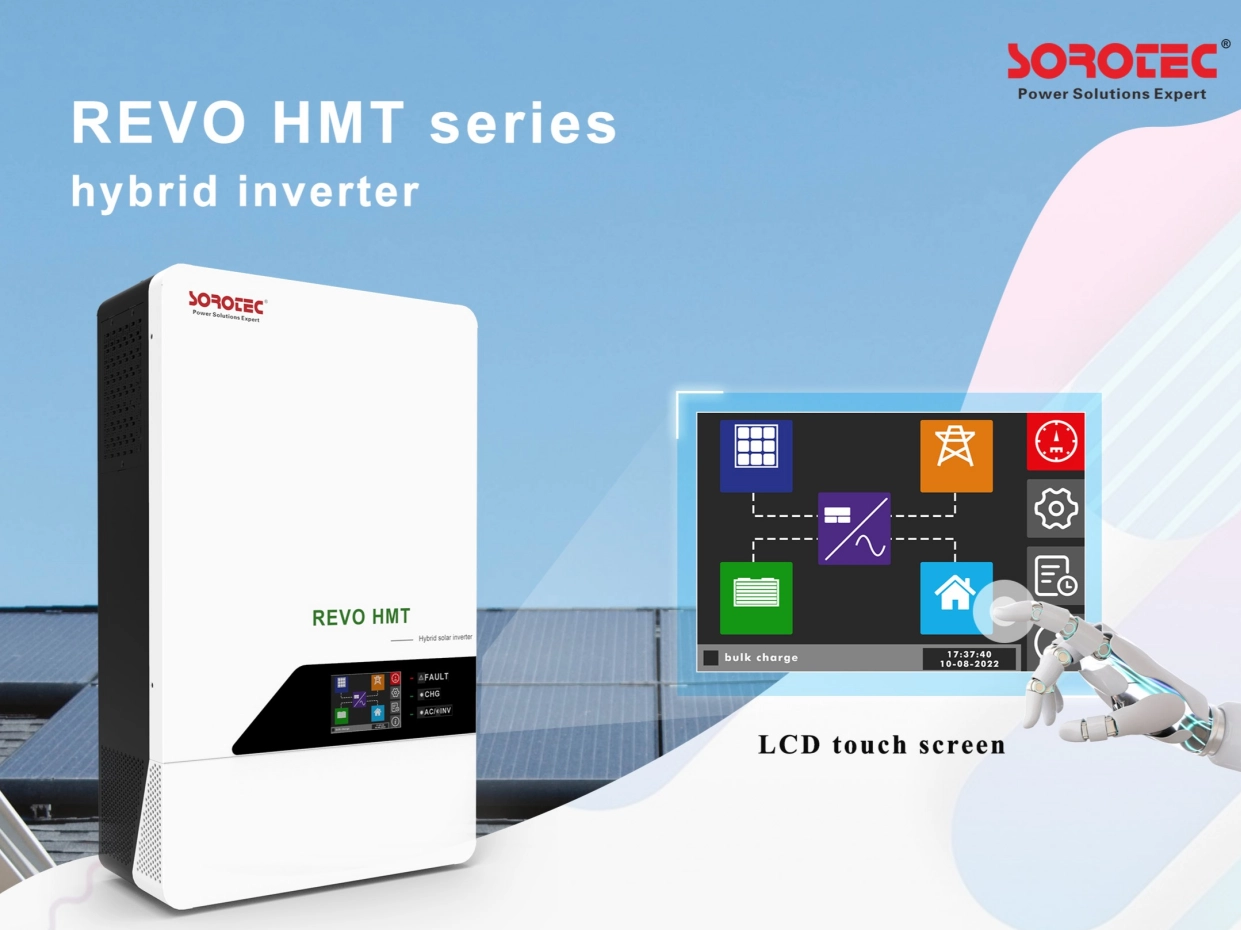
Featuring dual MPPT and touch LCD, it manages loads smartly with pure sine wave. Cases show it in home setups, charging off-peak and discharging peak times to cut costs. The anti-dust kit suits harsh spots, and WiFi monitoring adds ease—far better than simulated wave’s rough output for consistent performance. To bring it home, project stories from SOROTEC’s records illustrate the impact.
Project Case Studies from SOROTEC Database
In one telecom base station project, REVO II inverters provided pure sine wave backup during grid failures, ensuring communications stayed up. A home in Southeast Asia used REVO VM II for off-grid solar, extending battery life with equalization and recording energy via touchscreen—benefits simulated wave couldn’t match without risks to gear. Another case in Africa involved parallel REVO E units for a small factory, handling variable loads smoothly and reducing downtime compared to cheaper simulated options.
FAQs
Q1: What makes pure sine wave better for UPS than simulated?
A: Pure sine wave gives a cleaner power flow, reducing risks to sensitive devices and improving efficiency in backups.
Q2: Can simulated sine wave harm my PC?
A: It might cause buzzing or extra heat in some parts, but for basic setups, it usually works fine without major issues.
Q3: Which SOROTEC inverter suits off-grid solar best?
A: The REVO MPI series stands out with its pure sine wave and high PV input, ideal for remote or independent power needs.