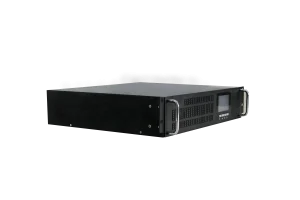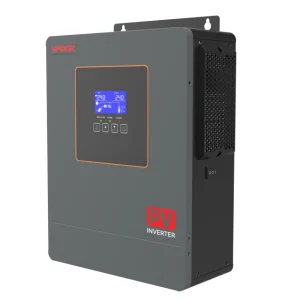

Mobile energy options have grown into an everyday feature of regular routines. Numerous vehicle owners currently employ a car inverter to operate notebooks, recharge instruments, supply outdoor gear, or sustain minor household items functional while on the move. This device transforms the auto’s direct current battery supply into alternating current, enabling standard gadgets to function precisely as in a residential environment.
Nevertheless, a good number of operators express concern regarding harm to their auto battery or power network. This worry carries genuine weight. An unsuitable inverter or improper connections might deplete a battery swiftly or strain pathways too much. Grasping inverter mechanics, the extent of energy a vehicle battery can provide securely, and occasions when an expanded standalone arrangement serves better can create a substantial change. For enterprises and property owners seeking dependable reserve power or sun-powered fixes, firms such as SOROTEC deliver inverter solutions that surpass fundamental auto energy units, encompassing sun hybrid arrangements and detached energy reserves.
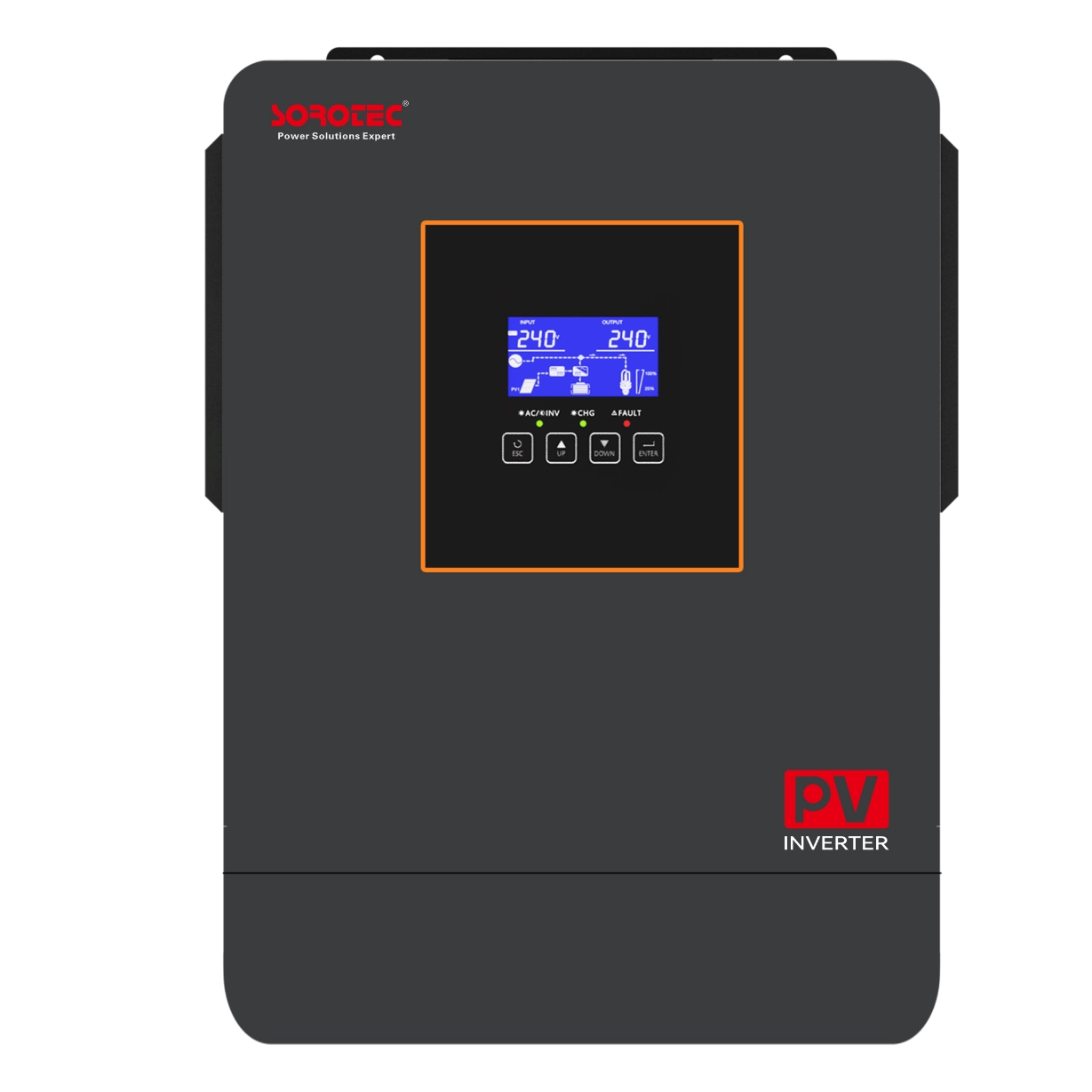
What Does a Car Inverter Do and How Does It Work?
Prior to examining secure application, it proves useful to comprehend internal processes. A car inverter basically acts as an energy transformer that alters 12V or 24V direct current from an auto battery into 110V or 230V alternating current required by typical domestic electronics.
DC to AC Power Conversion Principles
Within the inverter, electronic relays swiftly switch current direction, producing a pattern resembling standard home power. The majority of contemporary inverters produce pure sine wave output, which remains harmless for delicate items like notebooks or medical tools.
Standard vehicle batteries function at 12 volts, and since an inverter shifts that supply to 120V alternating current, the current demand on the battery rises notably. For instance, powering a 300-watt item from a 12V battery could demand over 25 amps of current, and therefore, inverter scale and connection standards hold importance.
Typical Applications in Vehicles and Outdoor Power
Car inverters see regular use in portable tasks, outdoor retreats, urgent recharges, and compact items. Builders might supply drills or lights from a utility van, whereas journeyers frequently operate notebooks or recording devices.
The chart presented here illustrates usual inverter capacities and the items they commonly support.
| Inverter Size | Typical Vehicle Applications | Example Devices |
| 150W – 300W | Charging electronics | Laptop, phone, camera charger |
| 400W – 800W | Light appliances | Small TV, fan, portable cooler |
| 1000W – 2000W | Work vehicles or RVs | Power tools, microwave, coffee maker |
According to the U.S. Department of Energy, portable inverter systems used in vehicles usually range from 150 watts to 2000 watts, depending on the type of load and battery capacity.
Differences Between Automotive Inverters and Solar Hybrid Inverters
Car inverters get built for short-term portable supply, not ongoing energy provision. Solar hybrid or off-grid inverters address a far greater role, for they oversee solar arrays, batteries, grid feed, and demands simultaneously.
Industrial power electronics producers like SOROTEC construct comprehensive energy frameworks that include photovoltaic inverters, energy storage modules, and hybrid power tools applied in telecom sites, residences, and isolated locations.
Can Using a Car Inverter Drain or Damage Your Car Battery?
With fundamental functioning evident, the subsequent inquiry stands evident. Plenty of vehicle operators ponder whether an inverter might deplete their battery or impair the power setup.
A concise response affirms yes, since it could arise if the inverter proves excessively large or operates too extended without the motor engaged, but through appropriate configuration, the hazard diminishes greatly.
Battery Drain Caused by Continuous DC Power Draw
A standard vehicle battery contains roughly 45–70 amp-hours of capacity. Powering a strong device via an inverter can rapidly exhaust that reserve.
| Device Power | Estimated Current From 12V Battery | Approximate Runtime on 60Ah Battery* |
| 100W Laptop | ~9A | 5–6 hours |
| 300W Appliance | ~25A | 2 hours |
| 1000W Device | ~85A | Less than 40 minutes |
Should the battery fall beneath secure voltage marks, the vehicle could fail to ignite once more, and this explains why numerous individuals activate the engine during heavy demand periods.
Electrical System Stress and Overload Risks
A further issue surfaces when the inverter pulls excess energy beyond what the vehicle’s wiring or lighter outlet can manage. Most instrument panel outlets restrict to approximately 120–180 watts.
Linking a 1000W inverter via that outlet might trigger excess warmth or fuse failures, so larger inverters need to attach straight to the battery with fitting wires.
Importance of Efficient Power Conversion Technology
Effectiveness further influences outcomes. Inexpensive inverters typically lose energy through thermal means, and such loss translates to greater strain on the battery plus reduced operating duration.
Current inverter methods, akin to those in solar gear, commonly attain 90–95% efficiency, thereby easing pressure on energy bases and circuit elements.
How Can You Safely Use a Car Inverter Without Harming Your Vehicle?
Recognizing potential dangers assists vehicle operators in adopting straightforward measures to evade them, and secure handling centers mainly on accurate capacity, suitable connections, and elementary knowledge of the auto’s power thresholds.
Proper Power Rating Selection for Vehicle Systems
The inverter’s capacity ought to correspond to the gadgets it supports. Minor electronics seldom call for beyond 300 watts, whereas bigger items might demand 1000 watts or higher.
Selecting a unit with marginally greater volume than anticipated demand can avert excess burdens and abrupt halts, although vastly oversized units could extract unneeded idle supply.
Safe Wiring, Cooling, and Load Management Practices
Adequate air circulation beside the inverter holds significance, since warmth curtails the duration of circuit parts. The device needs to position in a moisture-free and airy area.
Potent inverters require direct attachment to the battery employing robust wires, which minimizes voltage decline and cuts the chance of excess warmth, and many auto operators additionally fit inline protectors to guard connections against circuit breaks.
Intelligent Power Management and Protection Features
Further developed inverters incorporate embedded safeguard circuits, and these mechanisms cease operation automatically if battery current dips too low or if internal warmth escalates excessively.
Technologies such as battery linkage and distant oversight—typically present in solar inverter frameworks—emerge slowly in mobile energy items too.
When Should You Consider a Solar or Off-Grid Inverter Instead?
A vehicle inverter performs effectively for interim supply. Yet, scenarios exist where a broader self-contained energy framework emerges as the preferable choice.
Isolated task areas, detached residences, telecom posts, and crisis reserve arrangements frequently require steady current for extended hours or days, and here solar hybrid inverters prove valuable.
Off-Grid Solar Power Supply With REVO MPI Photovoltaic Inverter
The REVO MPI Photovoltaic Inverter is designed for pure off-grid solar power. Systems in the 6kW and 10kW range can supply entire homes or small commercial facilities.
Unlike vehicle inverters, this equipment manages photovoltaic input, battery charging, and AC output in a single system. That kind of setup is common in remote areas where grid power is unreliable.
Integrated Energy Storage Solutions With REVO HESS 6/8KW
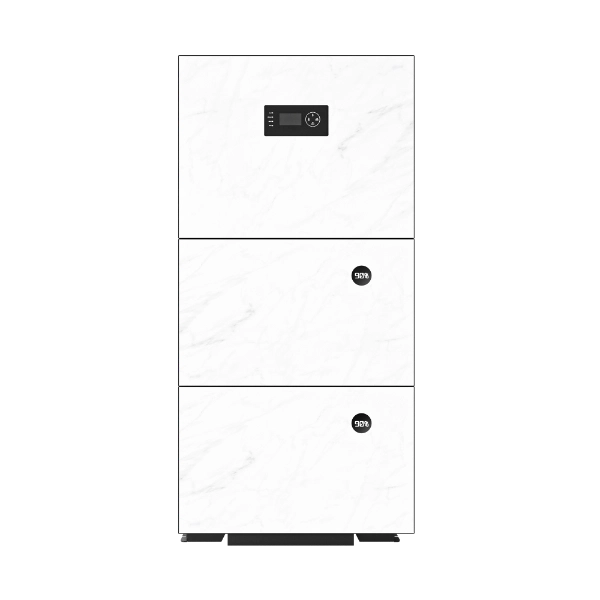
Another solution is the REVO HESS All‑in‑One Energy Storage System, which combines inverter functions with built-in battery storage.
Integrated systems simplify installation and are widely used in residential solar projects. They also support both grid-connected and off-grid operation, which makes them useful for backup power during outages.
Flexible Off-Grid Power Systems Using REVO VM IIPRO Series
The REVO VM II PRO Series Off‑Grid Inverter offers flexible capacity from 1.6kW to 10kW, allowing users to build scalable solar power systems.
According to the company’s technical documentation, these systems support lithium battery communication through CAN or RS485 interfaces and can operate even without batteries in certain configurations.
This type of inverter technology is widely used in solar homes, communication stations, and small industrial facilities where reliable electricity is required around the clock.
How Do Modern Smart Inverters Improve Power Safety and Efficiency?
Power electronics have evolved rapidly over the last ten years. Fresh inverter patterns offer greater effectiveness, simpler oversight, and enhanced safety for batteries and attached gear.
High-Efficiency Power Conversion and MPPT Technology
Numerous present-day solar inverters utilize Maximum Power Point Tracking (MPPT) technology. This approach fine-tunes the working point of solar panels to yield the utmost possible yield amid varying light conditions.
Superior transformation effectiveness signifies reduced energy lost to warmth and increased current accessible for actual demands.
Smart Load Management and Battery Protection
Energy oversight frameworks can allocate supply among demands, batteries, and grid origins. As battery levels decline, the framework can lessen output on its own or shift to an alternate supply source.
Such safeguards prolong battery endurance and lessen the risk of profound depletion harm.
Remote Monitoring and Intelligent Energy Control
Yet another trait gaining prevalence in energy setups involves distant oversight. Embedded linkage modules enable setup managers to review power output, battery condition, and demand usage via a handheld gadget or oversight interface.
For companies and energy providers, this clarity aids in upholding steady functioning and spotting issues promptly.
FAQ
Q1: Can a car inverter damage a vehicle battery?
A: Yes, if the inverter draws more power than the battery can safely deliver or if it runs for long periods without the engine operating. Using the correct inverter size and monitoring battery voltage prevents most problems.
Q2: Is it safe to plug a large inverter into a cigarette lighter socket?
A: No. Most vehicle sockets are limited to about 120–180 watts. Larger inverters should connect directly to the battery using dedicated cables and proper fuses.
Q3: What is the difference between a car inverter and a solar inverter?
A: A car inverter converts battery power to AC electricity for small devices. Solar inverters manage solar panels, batteries, and household loads, allowing entire homes or facilities to run on renewable energy.