

Electric vehicles have moved far beyond niche status. They now form a vital part of today’s transport networks, fueled by strong government policies, cheaper batteries, and rising consumer interest in eco-friendly travel. As more people switch to EVs, the demand for solid charging setups grows quickly. Relying only on standard grid power for charging is revealing its shortcomings in terms of expenses, capacity, and dependability. Photovoltaic charging setups are shifting this dynamic in meaningful ways.
PV-driven EV systems link renewable energy production straight to vehicle charging points. Rather than depending entirely on the power grid, sunlight becomes the main energy provider, backed by smart inverters and battery storage. For those running EV fleets, building charging networks, or supplying energy fixes, this change isn’t just an idea—it’s happening in practice, particularly in places with shaky power supplies or steep energy rates. Firms such as SOROTEC contribute hands-on by providing adaptable inverter options that match actual charging demands.
Why Is PV Charge Essential For The Future Of EV Infrastructure?
The rise in EV numbers ties directly to dependable charging access. When additional vehicles connect, it puts extra strain on the grid, especially at busy times. PV charging provides a practical method to boost energy supply without holding out for slow and pricey grid improvements.
To grasp the technical fixes, it’s useful to first see the problem’s size. The International Energy Agency reports that worldwide EV numbers jumped from around 11 million in 2020 to more than 40 million by late 2023. Meanwhile, public charging spots hit about 2.7 million globally, yet expansion differs widely by area. This gap urges managers to seek on-site power creation over complete grid reliance.
Optimizing Renewable Energy Input For EV Charging
Sunlight pairs well with EV charging habits, notably in business and office environments where cars sit idle during sunny periods. PV setups can supply chargers right away, cutting back on grid-drawn power. As a result, this cuts peak usage and aids in steadying nearby electricity systems.
Using standalone or mixed PV arrangements, charging points can function even in spots with poor or spotty grid links. Such setups prove vital in developing areas, shipping centers, and outlying roads. Although PV charging doesn’t fully swap out the grid, it alters energy distribution patterns, rendering charging steadier and less prone to power network problems.
Reducing Operational Costs With Solar-Based Power
Power bills rank among the top ongoing costs for EV charging managers. Grid rates vary, and usage fees can hike up regular payments sharply. Generating power from solar brings steady pricing since sun power arrives without a bill from the utility company.
Figures from the International Renewable Energy Agency indicate that the worldwide average cost for large-scale solar PV electricity fell to roughly USD 0.049 per kWh in 2022. In numerous places, this beats retail grid rates, particularly for business clients. In the long run, these PV charging systems let operators safeguard profits and forecast expenses more surely.
Enhancing Grid Resilience And Energy Independence
Cost aside, toughness against disruptions stands out as a major concern. Blackouts, power swings, and supply caps can halt charging work and harm gear. Pairing PV with storage units and clever inverters ensures stations keep operating amid failures or wobbly grid states.
Such self-reliance matters greatly for vehicle groups, urgent response teams, and community projects where interruptions won’t do. PV charging configurations serve as a shield between cars and the grid, boosting steadiness without needing big structural shifts.
How Do SOROTEC Inverters Support Green Mobility Solutions?
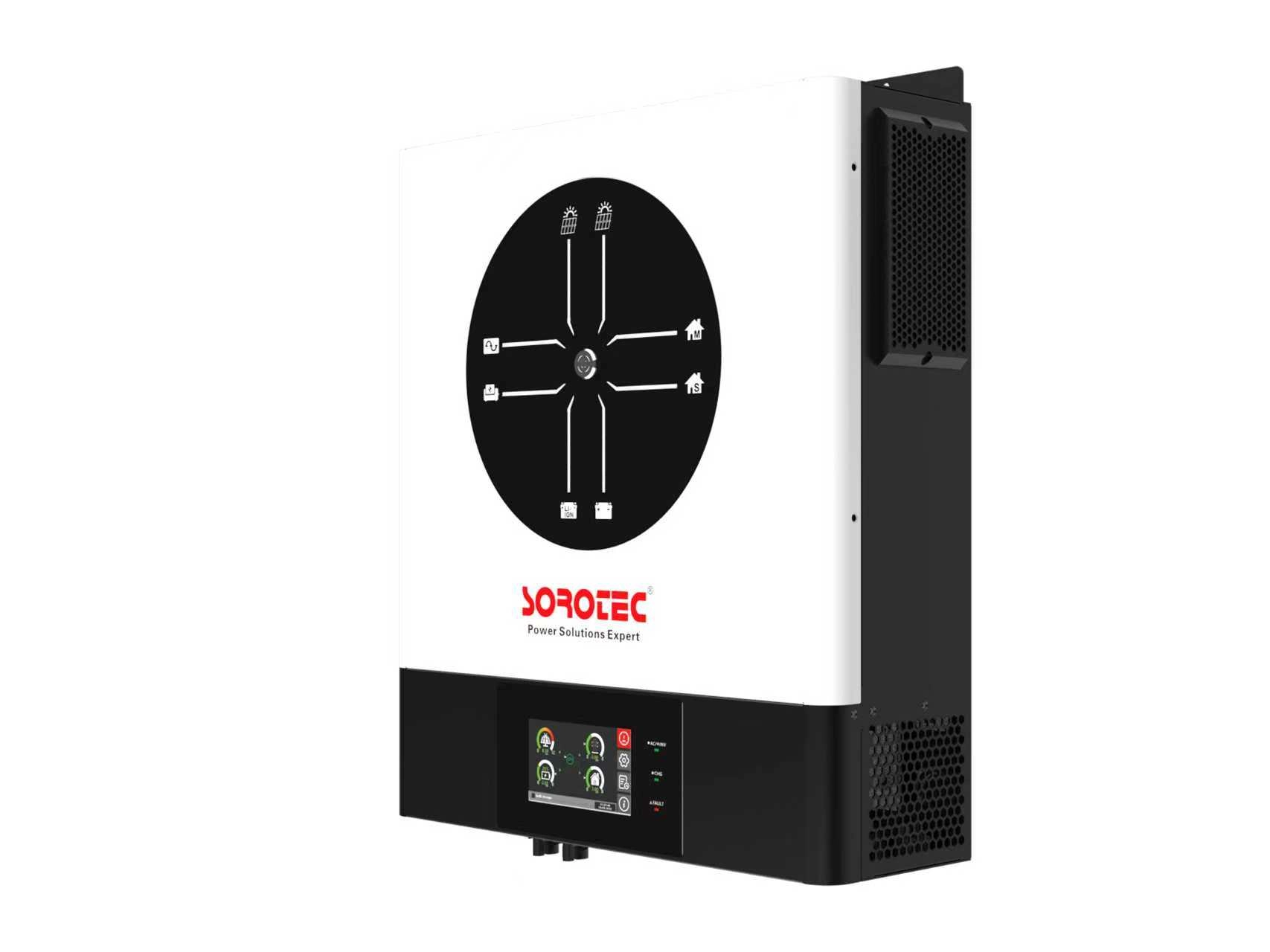
PV charging relies on components beyond just panels. Inverters act as the hub that directs energy between solar arrays, batteries, the grid, and EV charging units. SOROTEC’s range of inverters suits various situations, from pure off-grid spots to blended city charging centers.
The main strength comes from their adaptability. EV projects seldom fit a uniform mold. Energy requirements differ by site, speed of charging, and daily patterns. SOROTEC tackles this through inverters that handle diverse sources and running styles.
Role Of REVO MPI Photovoltaic Inverter In Off-Grid EV Charging
The REVO MPI Photovoltaic Inverter, available in 6kW and 10kW dual ratings, fits nicely for standalone or solar-only charging systems. In areas lacking grid ties or where they’re absent, this inverter lets EV chargers draw straight from sun power.
Operators often apply this in distant lots, visitor spots, and countryside paths. By emphasizing solar input, the arrangement skips grid-matching hassles yet supplies reliable energy. For EV charging, even voltage and frequency count, and the REVO MPI handles these in cut-off settings.
Hybrid Energy Management With REVO VM V Storage Inverter
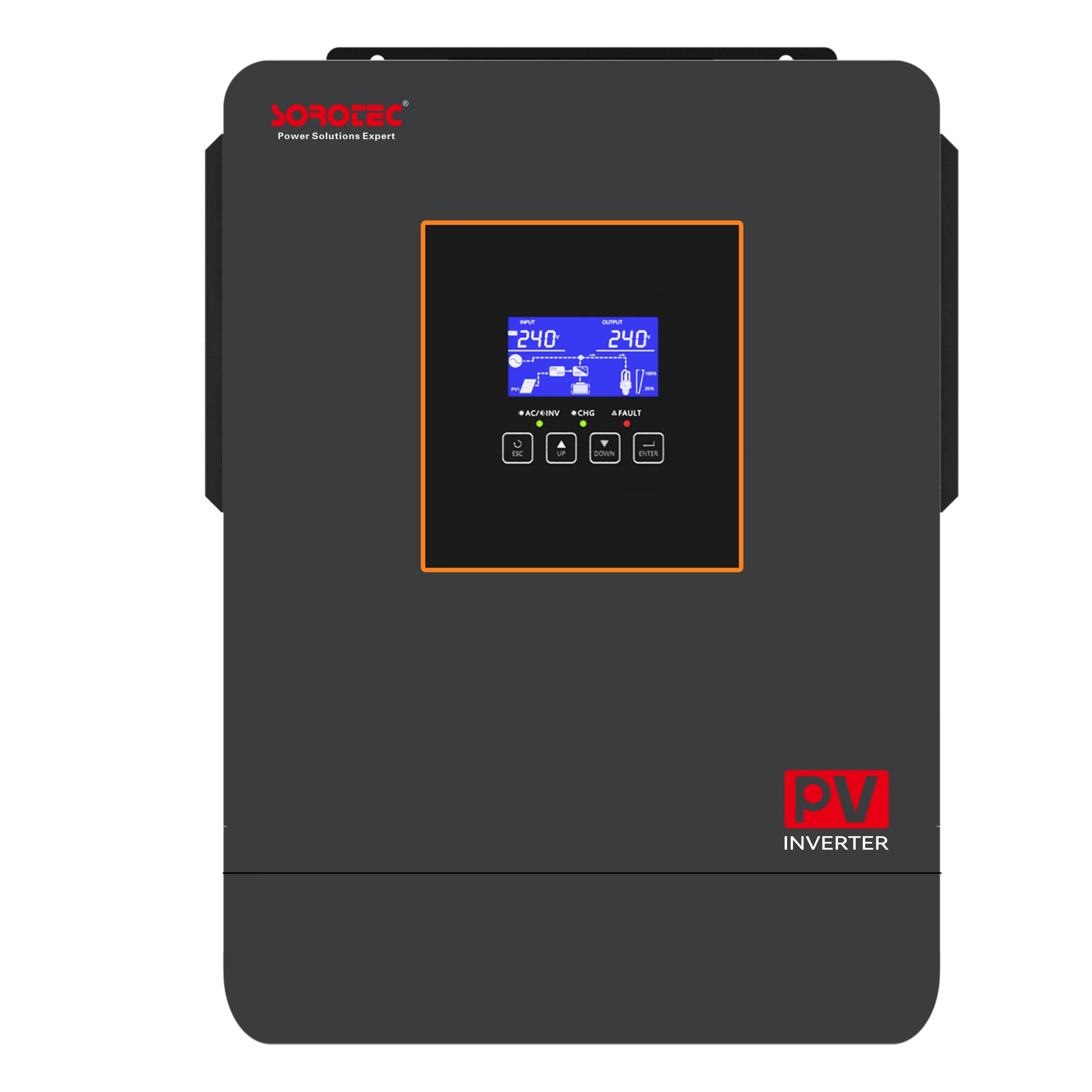
Few charging sites can depend solely on solar. City and business ventures typically require a mixed approach blending PV, batteries, and grid supply. The REVO VM V Hybrid On & Off Grid Energy Storage Inverter suits this mix perfectly.
In blended EV charging, sun power meets daytime needs, while batteries manage high-demand times, and the grid serves as reserve. Consequently, this eases grid pressure and enhances charging access during rush periods. Operators gain from even energy handling and fuller use of on-site generated power.
Flexible On & Off Grid Power With REVO HM 4/6KW
In modest to medium EV charging builds, adaptability often trumps size. The REVO HM 4/6KW inverter backs both grid-tied and standalone modes, ideal for step-by-step projects that begin modest and grow over time.
This versatility lets builders roll out charging setups swiftly, then adjust as demand rises. Switching modes also guards against future rule shifts or grid alterations.
What Benefits Do Photovoltaic-Driven EV Charging Systems Bring?
When designed right, PV charging yields advantages that go past mere savings. It reshapes how EV setups align with wider energy and green aims.
Zero Emissions Energy Supply For EV Networks
EVs cut exhaust fumes, but true eco-gains hinge on power origins. PV-fed charging guarantees that green rides pair with truly clean sources.
The IEA notes that power production still drives much of global CO₂ output. Applying solar to EV charging slashes source emissions directly and aids country-wide carbon reduction plans.
Improved Charging Availability In Remote Or Low-Grid Areas
Plenty of growing EV spots lack robust grid backbones. PV charging enables station rollout without grid wait times. Thus, it speeds EV uptake in fresh markets and boosts driver reach beyond urban cores.
Scalability And Modular Expansion For Future Growth
PV arrangements build modularly by nature. Extra panels, storage, or inverters add on as charging calls grow. This aligns with EV spread’s steady pace, letting setups expand sans huge starting spends.
How Can PV Charge Improve Total Cost Of Ownership For EV Operators?
For station owners, overall ownership costs outweigh setup outlays. PV charging affects both ongoing spends and initial hurdles.
Sun power cuts regular energy outgoings, and mixed inverter systems curb needs for expensive grid boosts. Upkeep expenses stay steady too, given PV’s simpler mechanics versus old-style power builds.
The table below offers a basic side-by-side view using common business power rates and solar output costs.
| Energy Source | Average Cost Per kWh (USD) | Price Stability |
|---|---|---|
| Grid Electricity (Commercial, US/EU Avg.) | 0.12–0.25 | Medium to Low |
| Utility-Scale Solar PV (2022 Global Avg.) | ~0.049 | High |
| On-Site Commercial Solar PV | 0.06–0.10 | High |
These stats draw from IRENA and local energy bodies. Though specifics shift by locale, the pattern holds. Solar delivers enduring cost sureness that grid power can’t match.
Lower Energy Bills Through Solar Generation
Drawing PV as the core source shrinks risks from high-time rates and usage fees. Gradually, this builds real savings, above all at busy charging locales.
Reduced Investment In Traditional Grid Upgrades
Tying into grids demands high costs and delays. PV charging lessens needed grid power, speeding projects and trimming expenses.
Predictable Long-Term Energy Expenses
Post-setup, solar costs stay mostly set. Hence, budgeting gets simpler, aiding enduring deals with fleet groups or public allies.
What Real-World Applications Showcase PV Charge Impact?
PV charging deploys across many practical cases, spanning public works to private vehicle lines.
Sun-fed quick charging posts pop up often on expressways and in delivery zones, where space allows panel fits. Small-grid EV groups appear in factory areas, using mixed inverters to even out loads. Home and office charging clusters blend PV and storage more to cover routine needs sans overloading area grids.
The table below spots common cases and setup traits.
| Application Scenario | PV Role | Inverter Requirement |
| Highway Fast Charging Station | Primary Energy Source + Storage | Hybrid On/Off Grid |
| Commercial Fleet Depot | Load Shaving + Backup | Hybrid With Storage |
| Remote EV Charging Point | Main Power Supply | Off-Grid PV Inverter |
| Workplace Charging Hub | Daytime Solar Utilization | On & Off Grid |
SOROTEC’s inverter choices mesh smoothly with these cases via expandable, fitting fixes over stiff layouts.
FAQ
Q1: Can PV charging systems support fast EV chargers?
A: Yes. Paired with ample PV size and storage, these systems back fast chargers. Mixed inverter designs often manage heavy loads while curbing grid draw.
Q2: Are PV-powered EV chargers only suitable for sunny regions?
A: Solar yields more in bright zones, but PV systems operate across climates. Blended plans with grid and battery aid keep things steady despite changing light.
Q3: How long does it take for a PV EV charging system to pay back the investment?
A: Times differ by area, power rates, and scale. In various business efforts, returns span 4 to 8 years, mostly from power savings and lower grid spends.


