

A 20kVA inverter often serves as a medium-sized to sizable setup in homes, modest factories, telecom spots, rural farms, and business structures. Yet, what exactly does 20kVA signify in everyday use? How many cooling units, water pumps, computer servers, or manufacturing tools can it truly power?
By 2026, as energy needs grow stronger and solar setups become more common, grasping the true load handling ability matters greatly. This overview explains how a 20kVA inverter works under actual conditions, and it shows how modern hybrid and standalone models from SOROTEC can handle various load needs.
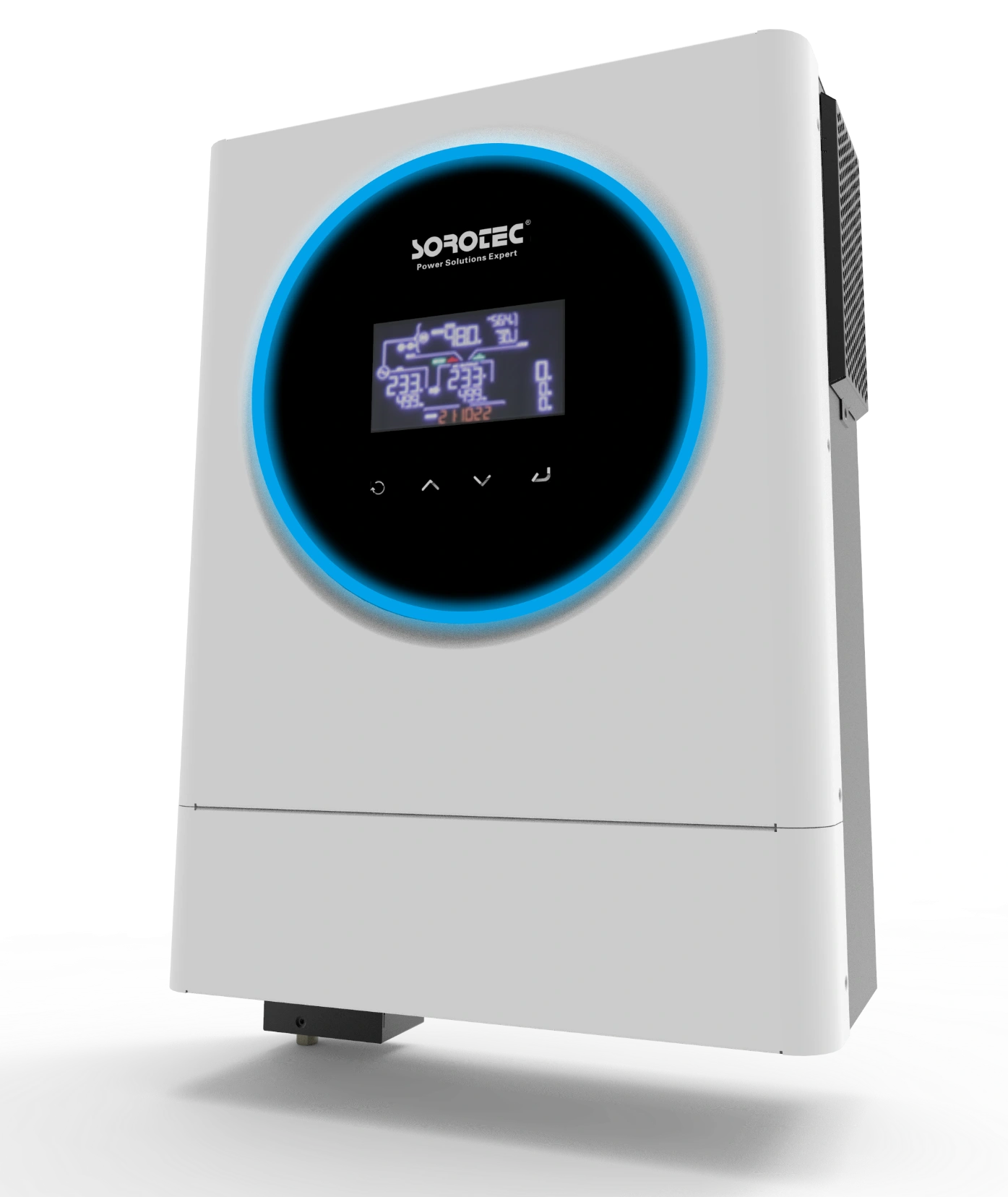
What Are The Key Load Considerations For A 20kVA Inverter?
Before diving into specific cases, it pays to know how inverter capacity functions within typical electrical setups.
Load Types And Power Requirements
A 20kVA inverter gets its rating from apparent power. The real power it can deliver, measured in kilowatts, hinges on the power factor. Many current inverters, including sophisticated hybrid versions, run at a power factor near 1.0. Thus, 20kVA roughly matches 20kW of practical real power.
Still, different loads act in varied ways. Simple resistive loads like heaters and basic lights stay steady and easy to predict. But inductive loads, such as motors, compressors, and pumps, pull much more current when starting up. Meanwhile, electronic loads like servers and medical gear often need clean waveform to function well.
Here is a basic chart for common load categories.
| Load Type | Typical Power Factor | Starting Surge | Example Equipment |
| Resistive | 0.95–1.0 | Low | Heaters, Ovens |
| Inductive | 0.7–0.9 | High | Pumps, Motors |
| Electronic | 0.9–1.0 | Medium | Servers, UPS Loads |
Such figures appear often in electrical engineering guides and match standard industry norms.
Peak Versus Continuous Load Analysis
While a 20kVA inverter might manage 20kW of steady output, its ability to handle short bursts of high demand is equally vital. Loads driven by motors can demand two to six times their normal current right at startup.
Take a 5kW water pump, for instance; it might briefly require more than 15kW when turning on. And if multiple motors kick in together, the inverter has to cope with that extra pull without shutting down.
Today’s SOROTEC hybrid models come equipped with robust overload handling and intelligent load control. As a result, they fit well in blended load settings, from farm watering systems to small repair shops and emergency power for office spaces.
Impact Of Load Power Factor On Inverter Capacity
The power factor plays a direct role in the output users can actually use. When systems include lots of inductive loads, apparent power rises, yet the real power available drops off.
For example, with a power factor of 0.8, a 20kVA inverter provides around 16kW of true power. This gap can shift how engineers plan setups, particularly in factory projects.
Designs with high power factor help ease this issue. Plenty of modern solar inverters now achieve a power factor of one, so users get nearer to the full rated power.
How Do Different Inverter Types Affect Load Capacity?
Every 20kVA system isn’t made alike. Standalone, hybrid, and grid-tied units react in distinct ways to power demands and battery ties.
On & Off Grid REVO VM IV PRO-T 4/6KW Performance Overview
The REVO VM IV PRO-T line suits both grid-connected and standalone use. Though the 4kW and 6kW versions aim at smaller setups, they highlight SOROTEC’s focus on reliable output, clean sine wave delivery, and clever charging oversight.
When linked in parallel setups, this same framework can expand to bigger sizes. The main benefit comes from steady AC power and solid pairing with lithium batteries, which aids in dealing with shifting loads.
REVO MPI Photovoltaic Inverter 6kW/10kW Dual Power Rating Features
The REVO MPI range centers on pure solar standalone power. It targets spots with shaky grid access. Its dual power setup lets users adjust based on solar feed and load needs.
In far-off telecom bases, countryside houses, or island spots, standalone systems face daytime solar ups and downs plus overnight battery drain. A dependable inverter build proves essential there.
The MPI design illustrates how focused standalone builds manage changing solar feeds while holding output firm, and this applies well when growing to 20kVA-level systems.
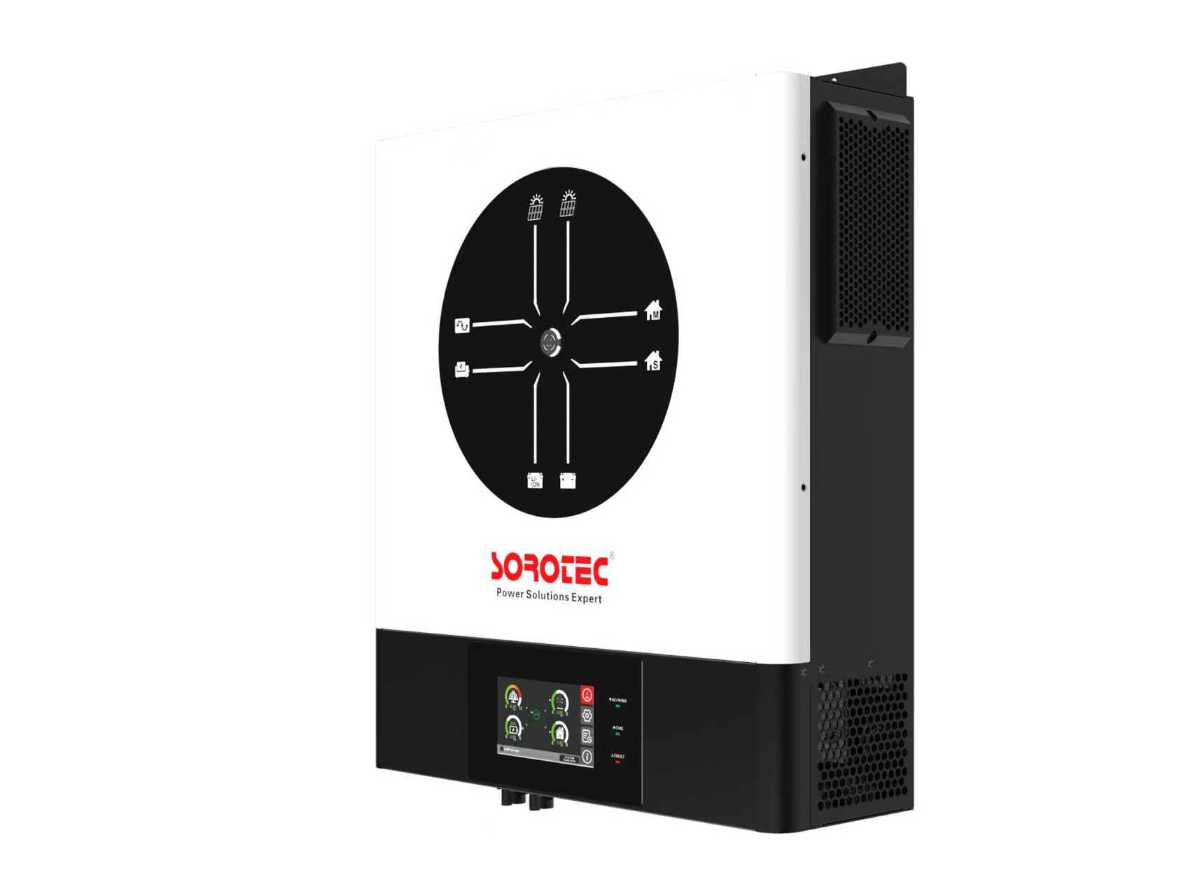
REVO VM V Hybrid On & Off Grid Energy Storage Inverter Capabilities
The REVO VM V Hybrid line offers a more developed structure. These hybrid inverters merge solar feeds, battery holding, grid links, and generator aid into a single unit.
Hybrid setups hold special value in 2026. The International Energy Agency notes that worldwide renewable power additions hit about 510 GW in 2023, setting a new high. Solar PV took the biggest portion. As more structures add PV arrays, hybrid inverters turn into key command centers.
Such systems enable cutting peak use, shifting power by time, and offering reserve supply. For a 20kVA-scale install, this leads to smoother load spread and lower strain in high-need times.
What Loads Can You Run With A 20kVA Inverter In Real Projects?
Concepts help, but real-life examples bring clarity.
Residential Load Scenarios And Examples
In a spacious home or modest multi-unit building, a 20kVA inverter usually powers several cooling units, fridges, light setups, water pumps, and household gear all at once.
Below sits a straightforward sample of mixed home loads.
| Appliance | Rated Power (kW) | Quantity | Total (kW) |
| Air Conditioner (1.5 Ton) | 1.5 | 4 | 6.0 |
| Refrigerator | 0.2 | 2 | 0.4 |
| Water Pump | 1.1 | 1 | 1.1 |
| Lighting And Small Devices | 2.0 | 1 Set | 2.0 |
| Electric Oven | 2.5 | 1 | 2.5 |
| Total Continuous Load | 12.0 |
With proper setup to handle startup pulls, a well-tuned 20kVA system manages this load easily, particularly when batteries provide extra support.
Commercial And Industrial Load Use Cases
In compact factories, repair areas, or shop fronts, a 20kVA inverter can back cutting tools, air compressors, sales terminals, lights, and tech gear.
Business buildings gain from hybrid systems since daytime sun cuts grid draw. Overnight needs move to batteries or main supply.
The U.S. Energy Information Administration reports that typical business building power use in the United States averages roughly 6.6 kWh per square foot each year. Though this differs a lot, it highlights how mid-range inverter systems suit small business areas well.
PV System Integration With Batteries And Load Management
Load handling goes beyond just the inverter’s rating. Battery scale and solar panel size count heavily too.
Pair a 20kVA inverter with ample battery storage, and it can cover brief high pulls that go past steady solar output. Smart management options let non-vital loads cut off in overload moments.
Platforms like the REVO VM V series build in this control approach. They juggle solar input, battery release, and grid feed in the moment.
How To Optimize Load For A 20kVA Inverter System?
Smart planning boosts gear longevity and cuts surprise halts.
Sizing Loads With Efficiency In Mind
A solid guideline keeps steady loads at 70 to 80 percent of the inverter’s full rating. So for a 20kVA unit, aim for about 14 to 16kW of ongoing work.
Full load operation works, but it’s not the best choice. Extra room aids in controlling heat buildup and quick demand jumps.
Using Energy Storage To Support Peak Loads
Batteries serve more than backup roles. They also smooth out jolts. When motors start or demand spikes, battery output bolsters the inverter’s supply.
Quick-response lithium batteries help a lot here. Many SOROTEC hybrid units work with current lithium battery links, which sharpens overall system teamwork.
Monitoring And Control Strategies For Reliable Output
Distant oversight lets users watch load patterns and tweak options. Live info spots overload risks and aids planned upkeep.
Smart features in hybrid inverters allow schedule-based plans too. Big loads can shift to times of solid solar flow.
What Are Common Mistakes When Estimating Loads For Inverters?
Wrong guesses frequently cause undersized gear or needless expansions.
Underestimating Peak Power Demands
Users often just add up normal power ratings and overlook motor startup draws. This results in inverter shutdowns when pumps or compressors begin.
Ignoring Power Quality And Harmonic Distortion
Delicate electronics demand firm voltage and low distortion from harmonics. Picking inverters with pure sine wave and steady frequency hold is key.
Incorrect Sizing Of PV Modules And Storage Batteries
A 20kVA inverter won’t shine if solar panels or battery hold is too limited. Full system harmony outweighs one part’s rating.
Conclusion
A 20kVA inverter handles major loads in home, business, and light factory environments. Its true capacity relies on power factor, load kind, startup pull, and battery aid.
Thanks to adaptable grid and standalone builds, hybrid oversight, and fit with current storage, SOROTEC inverter lines offer solid answers for 2026 energy calls. Thoughtful load math and right system pairing separate steady runs from repeated stop issues.
FAQ
Q1: How many air conditioners can a 20kVA inverter run?
A: It varies by unit size and startup draw. Generally, four to six 1.5-ton models can operate together if other loads stay reasonable and surges get handled right.
Q2: Is 20kVA enough for a small factory?
A: Yes, for light production with managed motor starts and even loads. Tough factory machines might need bigger units.
Q3: Can a 20kVA inverter work without batteries?
A: Yes, during grid-tied operation. That said, batteries boost steadiness, aid peak draws, and give outage protection.


