

A 5kVA online UPS is widely used in small data rooms, medical equipment, telecom sites, and commercial backup systems. It provides clean and stable power, but runtime depends heavily on one question that many buyers struggle with: how many batteries are really needed.
Battery count affects more than just backup time. It changes system cost, installation space, charging speed, and long-term maintenance. Choosing too few batteries leads to short runtime. Choosing too many can create wasted capacity and slow charging cycles. The goal is not “more batteries,” but the right battery configuration for the load and application.
This article breaks down how battery count works in real systems, how runtime is calculated, and how SOROTEC inverter and energy storage solutions fit into practical UPS setups.
What Factors Determine Battery Runtime in a 5kVA Online UPS?
Runtime is not a fixed number printed on a UPS label. It changes with system design, load behavior, and battery type. Before talking about numbers, it helps to understand what actually controls runtime in the field.
Battery Capacity And Chemistry
Battery capacity is usually measured in ampere-hours (Ah). A higher Ah rating means more stored energy, but chemistry also matters.
Lead-acid batteries remain common in UPS systems due to cost and availability. Typical sealed lead-acid batteries offer around 30–40 Wh per kilogram. Lithium batteries, which are becoming more popular in hybrid and storage systems, deliver 120–160 Wh per kilogram, with longer cycle life.
Industry data shows that traditional VRLA batteries last 3–5 years, while lithium battery packs often exceed 10 years under normal temperature conditions. This difference strongly affects total ownership cost, especially for systems designed for long runtime.
Inverter Efficiency And Load Profile
A 5kVA UPS rarely runs at full load all the time. In real installations, average load is often 50–70% of rated capacity.
UPS efficiency also changes with load. According to IEC 62040 efficiency curves, online UPS systems typically operate at:
- 88–90% efficiency at full load
- 92–95% efficiency at mid-load
This means battery discharge speed depends not only on load size but also on how efficiently DC power is converted to AC.
Environmental And Installation Conditions
Temperature has a direct effect on battery performance. Lead-acid batteries lose about 10% of capacity for every 10°C below 25°C, while high temperatures shorten battery life.
Ventilation, battery cabinet spacing, and charge cycle frequency all affect usable runtime. These details often get ignored in early planning but matter later.
How Do Hybrid Inverter Solutions Affect UPS Runtime?
Traditional UPS systems rely only on batteries. Hybrid inverter designs open up more flexible runtime options, especially where solar or energy storage is involved.
Extended Runtime With Hybrid Energy Storage
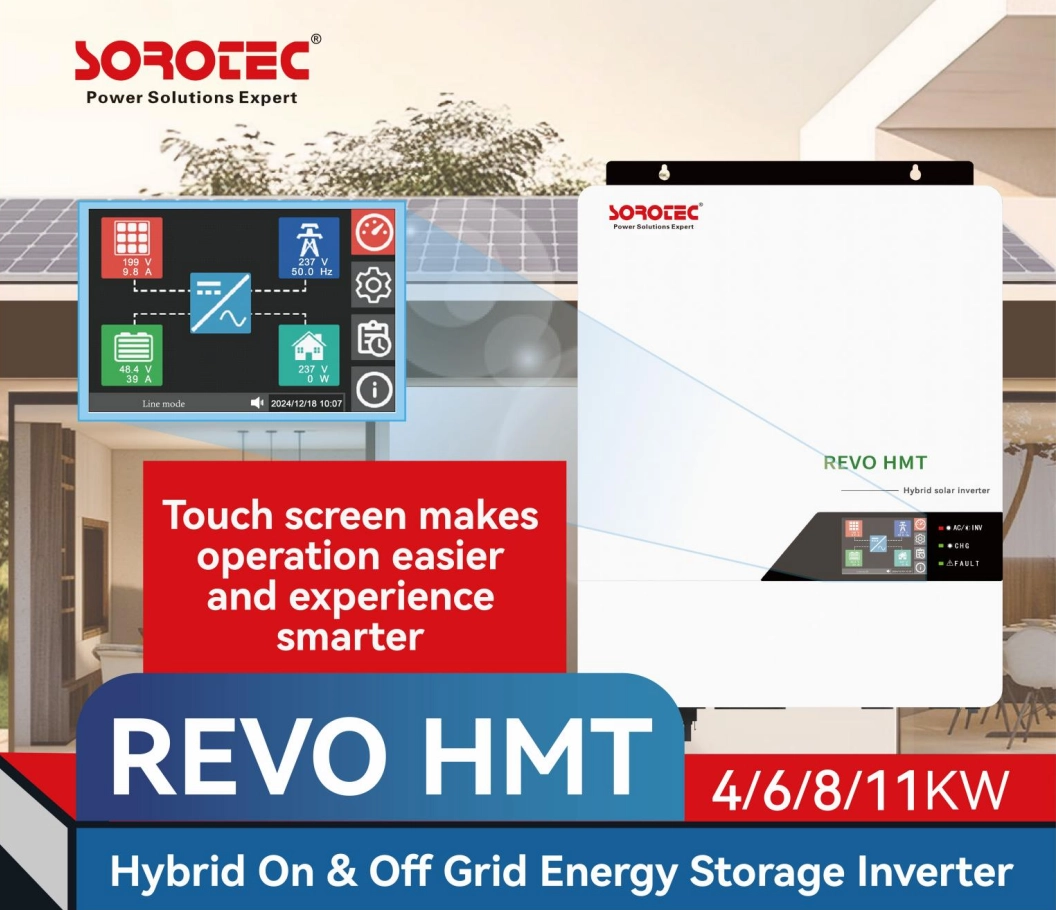
Hybrid inverters like SOROTEC Single-Phase IP54 REVO HMT G2-IP54 support both battery storage and external energy sources. This allows runtime to extend beyond fixed battery discharge.
In practical terms, a 5kVA load supported by a hybrid inverter can:
- Use batteries for short outages
- Pull energy from solar or storage during long blackouts
- Reduce deep battery discharge cycles
This setup helps avoid oversizing battery banks just to meet rare long-runtime cases.
Dynamic Switching Between Grid And Battery
Hybrid systems switch smoothly between grid, battery, and renewable input. The transition time stays within acceptable limits for sensitive loads.
Field projects show that hybrid systems can reduce battery-only discharge time by 30–40% during extended outages, which directly improves battery lifespan.
Load Optimization Through Smart DC/AC Control
SOROTEC hybrid inverters support adjustable load priority and charging current settings. This means battery count can be sized for realistic runtime instead of worst-case assumptions. For sites with mixed loads, this flexibility matters more than raw battery volume.
What Is The Role Of Modular Inverter Systems In Runtime Scaling?
Not every application needs a fixed, one-time battery decision. Modular systems allow runtime to grow with demand.
Scalability With Modular Inverter Architecture
The SOROTEC iHESS Series (1P/3P, 3.6–12kW) is designed for scalable energy storage. Battery packs can be added later without redesigning the entire system.
This approach suits businesses that expect load growth but want to control upfront investment.
Parallel Expansion For Higher Capacity
Parallel inverter operation allows multiple units to share load and battery banks. This improves redundancy and lets runtime scale step by step.
Industry practice shows that modular battery expansion reduces initial system oversizing by 20–30%, compared with fixed UPS designs.
Flexible Integration With Different Battery Banks
The iHESS series supports lithium and lead-acid batteries, giving users flexibility based on budget, installation space, and expected usage.
This flexibility is especially useful in regions with unstable grid supply or frequent outages.
How Should You Plan Battery Count For Long Runtime?
Battery planning starts with numbers, but ends with real usage patterns.
Estimating Load Versus Runtime Requirements
A simplified runtime estimate for a 5kVA system looks like this:
| Load Level | Approx. Power | Typical Runtime With 16×100Ah Batteries |
|---|---|---|
| 50% Load | ~2.5 kW | 2.0–2.5 hours |
| 75% Load | ~3.75 kW | 1.3–1.6 hours |
| 100% Load | ~5.0 kW | 0.9–1.1 hours |
These figures reflect real-world UPS efficiency and common VRLA battery performance at 25°C.
Matching Battery Count To Peak Load
Most commercial users do not need full-load runtime. For many office, medical, and telecom sites, 60–70% load coverage already meets operational needs.
Reducing battery count based on realistic load avoids:
- Longer recharge times
- Higher battery replacement cost
- Unused capacity aging over time
Cost-Efficiency Balance For Battery Sizing
According to industry data, batteries account for 35–45% of total UPS system cost over ten years. Oversizing batteries increases replacement expense without improving reliability. Hybrid and modular solutions help keep this balance under control.
How Do Off-Grid Inverter Products Compare For UPS Applications?
Off-grid inverters are often overlooked in UPS discussions, but they play a key role in certain environments.
Continuous Power Supply In Off-Grid Scenarios
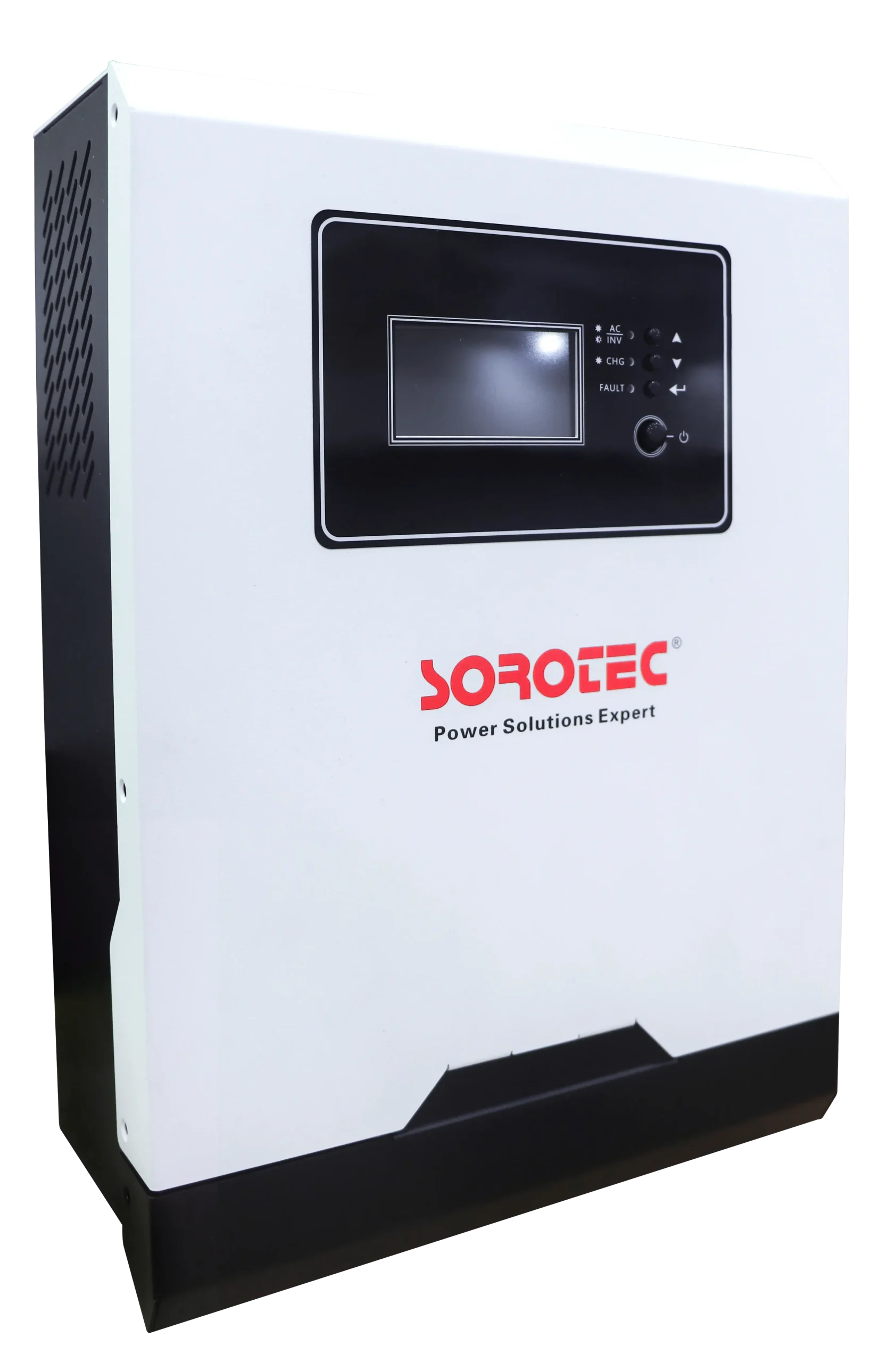
The SOROTEC Off Grid REVO VP/VM Series (1.2–5kW) is designed for sites without stable grid access. In remote locations, runtime depends on storage and generation rather than grid return time.
These systems suit:
- Rural telecom stations
- Emergency shelters
- Mobile or temporary installations

Power Stability Under Variable Load
Off-grid systems handle fluctuating loads better than traditional UPS units designed for steady demand. This improves battery use efficiency during mixed equipment operation.
Simplified System Management
With fewer conversion stages and simpler architecture, off-grid inverters reduce energy loss and system complexity. For long runtime needs, this simplicity can matter more than advanced UPS features.
Final Thoughts
There is no single “best” battery count for a 5kVA online UPS. The right choice depends on load behavior, runtime expectations, and how flexible the power system needs to be.
SOROTEC’s hybrid, modular, and off-grid inverter solutions give system designers more options than traditional UPS-only setups. Instead of oversizing battery banks, runtime can be shaped through smarter system design.
In many projects, the best answer is not more batteries, but better control over how power is stored and used.
FAQ
Q1: How many batteries are usually needed for a 5kVA online UPS?
A: Most standard 5kVA systems use 16 to 20 pieces of 12V batteries, depending on DC bus voltage and runtime needs. The exact number depends on load and battery type.
Q2: Is lithium battery better than lead-acid for UPS runtime?
A: Lithium batteries offer longer life, faster charging, and higher energy density. Lead-acid remains cheaper upfront. Hybrid systems allow either option based on project goals.
Q3: Can hybrid inverters replace traditional UPS systems?
A: In many commercial and light industrial applications, yes. Hybrid inverters provide backup, energy storage, and grid interaction in one system, reducing the need for oversized battery banks.


