

Keeping electricity steady is something most facilities worry about. A short outage might not sound serious, yet in real buildings it can stop machines, interrupt daily work, or even affect safety systems. Central battery systems (CBS) and uninterruptible power supplies (UPS) are the two common ways people prepare for those moments. Both give backup power, but they work in different ways. So, choosing one depends on how a site is built, what the loads look like, and how long backup is expected to last.
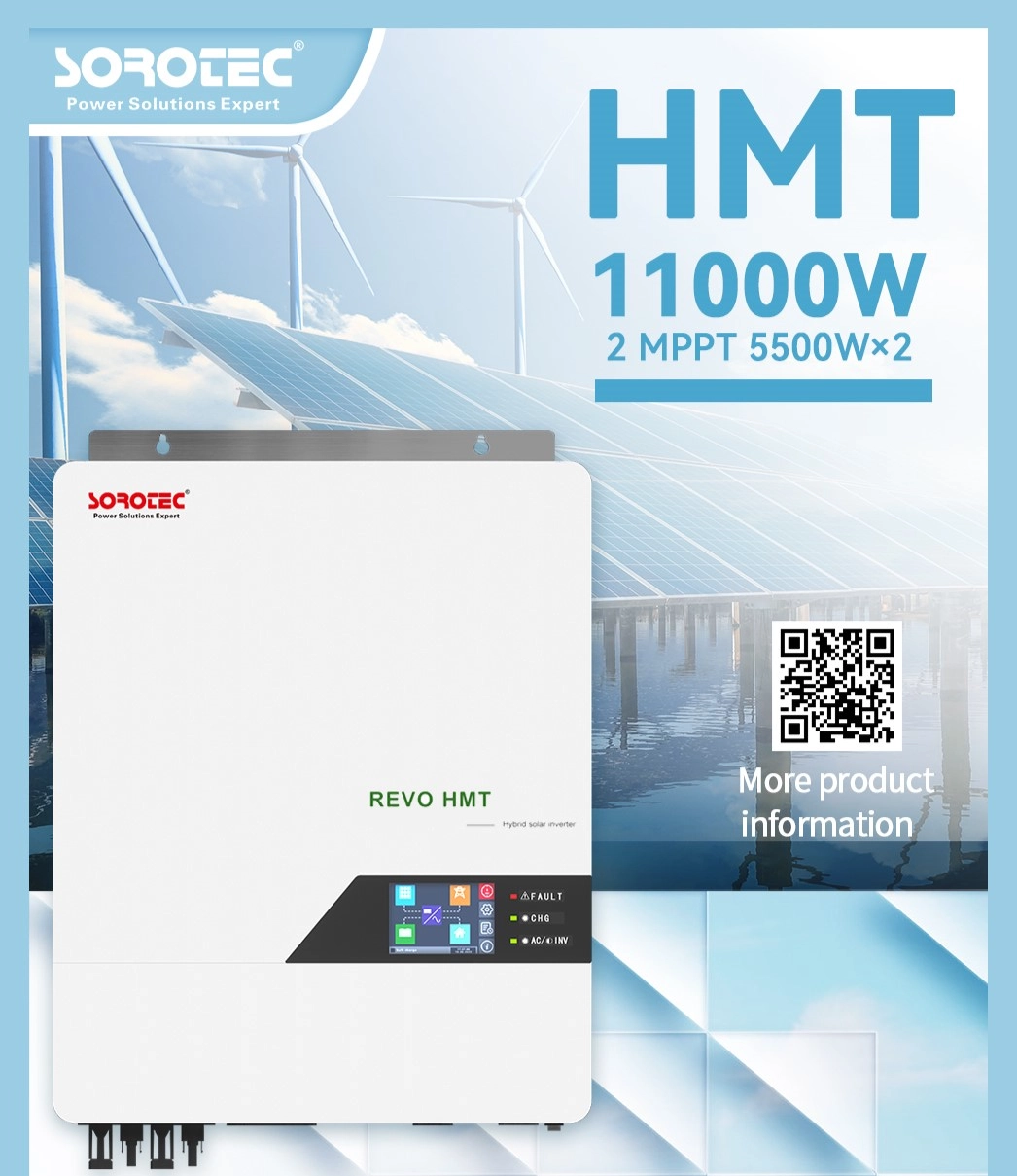
This article walks through the main differences, using clear examples from real applications and some practical data. It also looks at how SOROTEC’s newer solutions—like the All in one REVO HESS 6/8KW, REVO HMT-G2 6KW, and the SES Integrated Energy Storage System—fit into today’s power backup setups.
What Defines the Core Differences Between Central Battery Systems and UPS?
Before talking about reliability, it helps to get a simple picture of how these two systems are set up and what they’re usually built for.
System Architecture and Operation
A central battery system uses one big battery bank to support many loads across a building. The entire block of batteries usually sits in one area. Power then gets routed to emergency lights, safety circuits, and other important systems.
A UPS, however, stays close to the device it protects. It is often a stand-alone box with its own batteries inside. This makes it convenient for servers, medical analyzers, office electronics, and other equipment that cannot lose power even for a blink.
Because UPS and CBS are built differently, the way they react during outages is not the same. UPS works like a shield placed right beside a device, while CBS works like a central power “hub” for the whole building.
Backup Duration and Load Management
A CBS usually comes with larger battery capacity, so it can keep running for longer periods. It is suitable for long outages or for buildings with many emergency circuits.
UPS backup time is shorter. Most UPS units focus more on fast reaction instead of long backup hours. They are ideal when the priority is smooth switching rather than extended runtime.
Application Scenarios in Commercial and Industrial Sites
CBS is seen in large buildings—airports, schools, hospitals, and shopping centers. UPS is used more in smaller zones, server rooms, or individual machines.
Once these differences are clear, it becomes easier to understand why their power reliability can vary.
Why Does Power Reliability Differ Across These Backup Solutions?
Even if both systems cover outages, their switching speed and battery behavior shape how stable the power feels.
Switching Time and Power Continuity
UPS usually reacts faster. Many online UPS models have no switching time at all because the load already runs through the inverter.
Line-interactive UPS responds in just a few milliseconds. This quick action protects sensitive electronics from restarting.
CBS generally takes longer to switch because the power must move through a wider network of circuits.
Real Switching Speed Comparison
| System Type | Typical Switching Time | Suitable For |
|---|---|---|
| Online UPS | 0 ms | Servers, medical tools |
| Line-interactive UPS | 2–10 ms | Small offices, IT loads |
| Central Battery System | 0.1–0.5 s | Emergency lighting, safety circuits |
A short delay is not a big problem for lighting systems. But for electronics, the gap may cause shutdowns or resets.
Battery Technology and Energy Density
CBS often uses larger battery blocks—lead-acid or lithium—to support long outages. These batteries are built for steady discharge.
UPS batteries, on the other hand, are made for high-rate discharge. They give power quickly but not for very long.
Scalability for Critical Loads
CBS allows growth. When a building adds more emergency areas, another battery string or cabinet can be added.
UPS can also scale, but each area usually needs its own unit. This can raise the number of devices to maintain.
This is one reason why energy storage systems have become common. They combine long backup time with modern control features.
How Do Modern Hybrid and Storage Systems Enhance Backup Performance?
Newer products blend backup power with solar or mixed-grid operation. They fill the gap between short UPS runtime and large CBS coverage.
Hybrid Solar-Integrated Systems for Dual Supply Stability
The All in one REVO HESS 6/8KW packs an inverter, battery, and controller into one cabinet. Since it works with both solar and grid power, it stays active even during long outages.
This design makes it useful for homes, small shops, and small-scale commercial buildings. It can run loads for hours, depending on how the battery is sized, and it keeps daily electricity use flexible.
The system reacts smoothly during grid drops, so connected loads do not feel sudden changes.
Flexible On/Off-grid Operation for Unstable Grids
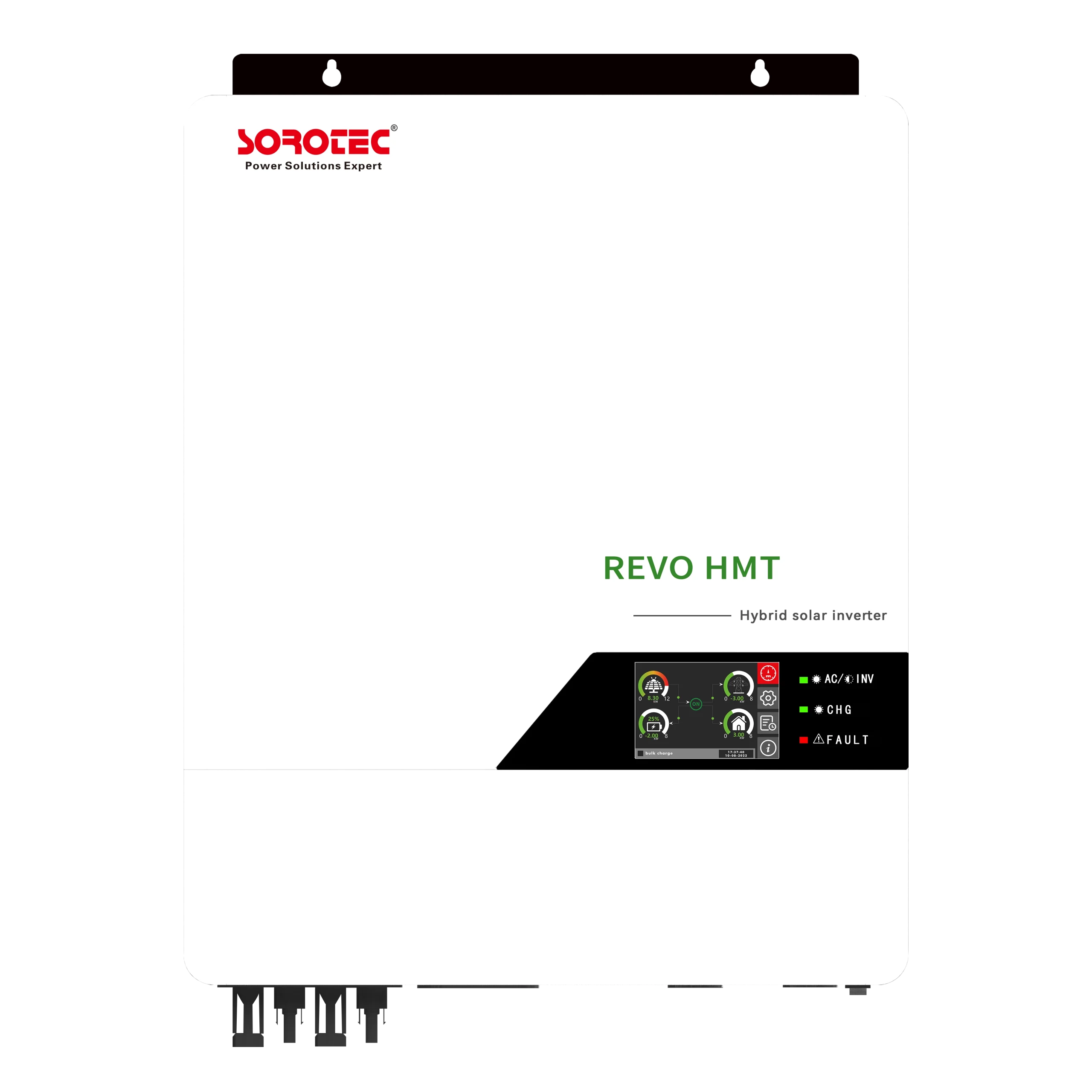
The REVO HMT-G2 6KW supports both on-grid and off-grid modes. When the local grid is weak or keeps dropping, the inverter can hold the loads steady on its own.
UPS cannot do this for long because its battery is not meant for extended discharge. Hybrid inverters can run as long as solar or stored energy is available.
This makes the REVO HMT-G2 6KW popular in remote sites or places where voltage swings happen often.
Large-capacity Outdoor ESS for Long-duration Reliability
Some facilities need far more backup than a UPS could ever offer. The SES Integrated Energy Storage System provides 100–215 kWh, enough for long hours of backup.
It also comes with an IP55 outdoor rating, which protects it from dust and rain, and it works from –40°C to +55°C, making it fit for telecom sites, small grids, and industrial areas.
To match this storage with UPS, many separate units would be required. CBS would also need a whole battery room. An ESS cabinet simply stores more energy in a smaller footprint.
Where Do Central Battery Systems Outperform UPS in Large-scale Projects?
In big facilities, central systems often bring simpler management and better long-term cost control.
Centralized Maintenance and Monitoring Efficiency
Since CBS batteries sit in one place, maintenance teams can check everything without moving across many floors.
UPS systems, however, may be scattered across different rooms. Each one needs inspection, which takes more time and adds steps to routine checks.
Cost-per-kWh Advantages for Large Energy Blocks
Large battery banks used in CBS or ESS often have a lower cost per kWh. UPS batteries cost more because they are designed differently.
Battery Cost Comparison (Global Average 2024)
| Battery Type | Average Cost per kWh | Notes |
|---|---|---|
| Lead-acid (CBS use) | 120–150 USD | Good for long discharge |
| Lithium LFP | 95–130 USD | Used in ESS |
| UPS High-rate batteries | 250–400 USD | Short, high-power bursts |
When a building needs hundreds of kilowatt-hours, this cost difference becomes noticeable.
Support for Distributed Loads Across Multiple Zones
CBS can spread power across many areas. Emergency lights, fire pumps, smoke fans, and safety signs can share the same backup bank. UPS would require one unit per area, increasing the number of devices.
When Should Businesses Choose UPS Instead of Central Battery Systems?
Even though CBS is ideal for big facilities, UPS still has strong advantages.
Ultra-fast Switching for Sensitive Equipment
If equipment cannot pause even for a moment, UPS is the better choice. It reacts instantly, so servers and medical devices stay stable.
Independent Protection for Isolated Critical Loads
When only one or two devices need backup, installing a full CBS would be unnecessary. A small UPS handles it with less wiring.
Cost Efficiency for Small to Medium Installations
Shops, offices, and small sites do not need a battery room. UPS gives them basic backup with lower setup cost.
Frequently Asked Questions
Q1: Is a central battery system safer than a UPS?
A: Both are safe when installed properly. CBS usually has better temperature control because the batteries sit in one managed place, but UPS works well for small setups.
Q2: Can hybrid inverters replace UPS in every situation?
A: Hybrid systems like REVO HESS or REVO HMT-G2 can replace UPS in many common uses. But for loads that require zero switching time, online UPS is still stronger.
Q3: How long can an ESS cabinet support a site during an outage?
A: It depends on the load size. A 150 kWh SES cabinet can keep a 15 kW load running for roughly 10 hours, which fits long emergency cycles or remote locations.