

Steady power reserves have turned into a vital need in home, business, and factory energy setups. With rising solar use and less reliable grid service in various areas, selecting the proper battery type shapes system output, reserve time, and overall expenses in the long run. Among common choices, tall tubular batteries and standard lead-acid batteries see broad application, yet their actual field results vary more than most purchasers anticipate.
Paired alongside current hybrid and grid-tied inverters like SOROTEC’s REVO HESS and MPGS Series, these variations stand out even clearer. Grasping how each battery variety acts under everyday demands aids planners and users in creating firmer and more economical power arrangements.
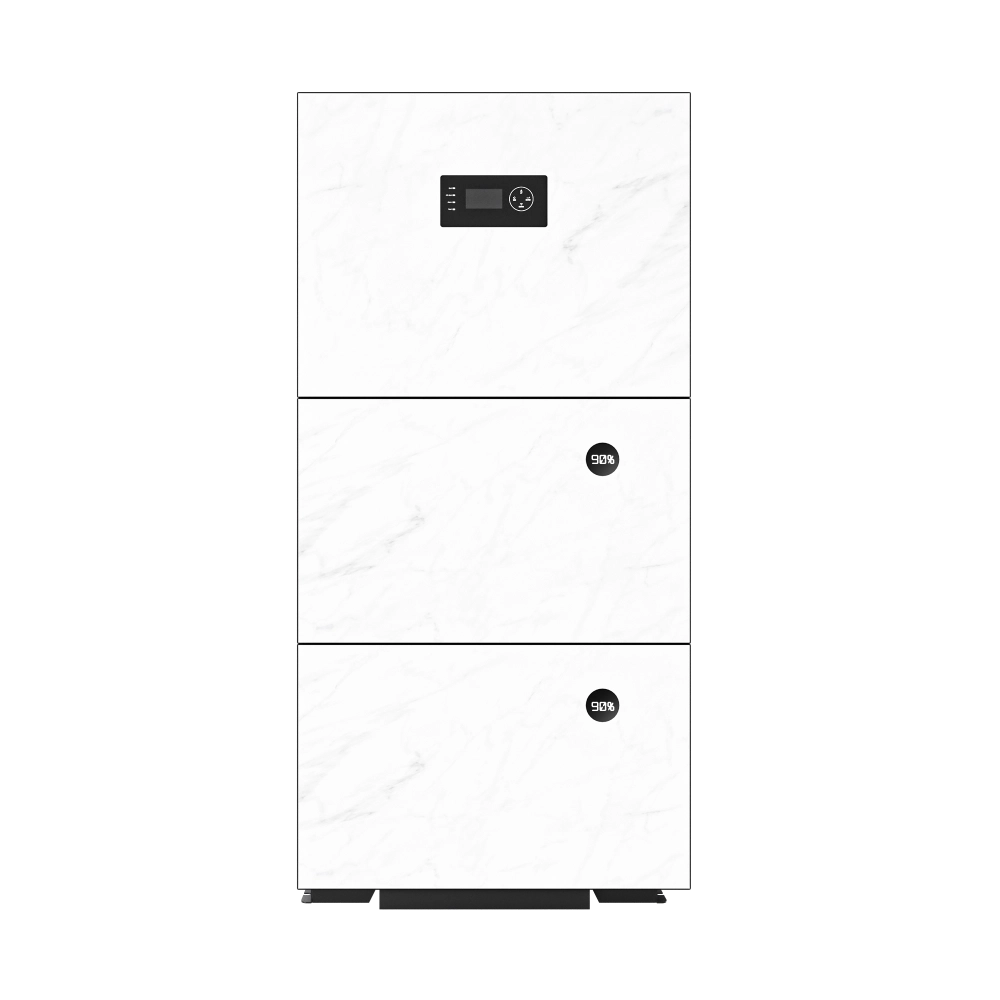
What Are Tall Tubular And Conventional Battery Technologies?
Prior to examining output, it pays to know how these two battery kinds are constructed and the reasons they function differently in reserve setups. Both fall under the lead-acid category, but their inner build and key strengths differ in tangible manners.
Tall tubular batteries aim for thorough drain cycles and extended runtime. Standard batteries, on the other hand, prioritize modest starting price and simple reserve duties.
Tall Tubular Battery Characteristics
Tall tubular batteries employ tubular positive plates rather than flat coated ones. This setup keeps the active substance firmer in place, cutting down on flaking amid ongoing charge and drain processes. Consequently, tall tubular batteries handle well in arrangements involving routine cycling, like solar reserve and hybrid inverter configurations.
During actual setups, tall tubular batteries generally manage greater drain depths sans quick drop in volume. Sector figures from the International Renewable Energy Agency and battery makers reveal that tall tubular batteries frequently yield 20–30% extra practical energy across their duration versus usual flat-plate versions in renewable arrangements.
Their build further boosts warmth resistance, an aspect that counts in exposed or partly exposed placements often linked with IP-rated inverters such as SOROTEC’s Single-Phase IP66 REVO HES.
Conventional Battery Features
Standard lead-acid batteries mostly depend on flat coated plates. They find common use in straightforward UPS setups and infrequent cycle reserve cases where drain occurrences happen now and then instead of every day.
Such batteries manage fine for brief blackouts, but they wear out quicker when facing regular deep drains. Within solar or hybrid setups, this drawback commonly leads to earlier swaps, hiking up total holding expenses.
That said, standard batteries keep drawing interest for beginner-level endeavors owing to their cheaper buy-in and easy upkeep in stable settings.
Key Performance Differences
The build gap between tubular and flat plates influences cycle duration, drain extent, and steadiness under demand right away. Tall tubular batteries fit better in setups blending solar production, grid ties, and reserve supply, particularly when matched with smart inverter bases.
For a clearer picture of the gaps, the chart below outlines usual output spans drawn from broadly shared sector standards.
| Parameter | Tall Tubular Battery | Conventional Lead-Acid Battery |
|---|---|---|
| Typical Cycle Life (80% DOD) | 1500–1800 cycles | 600–900 cycles |
| Recommended Depth of Discharge | Up to 80% | 50–60% |
| Heat Tolerance | Higher | Moderate |
| Maintenance Frequency | Lower | Higher |
| Best Use Case | Solar & hybrid systems | Basic backup |
These spans capture standard figures noted by battery producers and on-site research in solar reserve endeavors.
Why Does Battery Efficiency Matter For Energy Storage Systems?
Battery output goes beyond mere storage volume. It shapes setup dependability, inverter function, and full system endurance. In hybrid and grid-linked setups, the battery serves as the link among production, usage, and reserve.
If battery output lags, even cutting-edge inverters fail to reach their full marked potential.
System Reliability And Performance
Solid batteries keep voltage even during drains, letting inverters work in their best zone. This holds special weight for hybrid setups like the SOROTEC All in One REVO HESS 6/8KW, where solar feed, battery hold, and grid exchange occur at once.
Tall tubular batteries often sustain voltage more steadily amid demand. As a result, this cuts down on surprise inverter halts and boosts general setup firmness amid drawn-out blackouts or high-use times.
Cost Of Ownership Over Time
Starting battery expense draws more focus than enduring cost. Yet, in setups built for everyday cycling, how often batteries need swapping turns into a big outlay fast.
Per figures from the Global Battery Alliance, battery swaps can make up to 40% of the full enduring cost in modest solar reserve setups. Battery kinds with greater endurance ease this load notably.
Tall tubular batteries, thanks to their drawn-out cycle span, generally offer cheaper cost per kilowatt-hour in the long haul, despite a steeper initial outlay.
Integration With Renewable Energy Sources
Solar setups call for batteries able to cope with regular partial and full drains. Hybrid inverters such as the SOROTEC Single-Phase IP66 REVO HES count on quick-response batteries to deal with varying solar yield and home demands.
Batteries lacking strong cycling power falter here, causing speedier volume drop and less practical reserve.
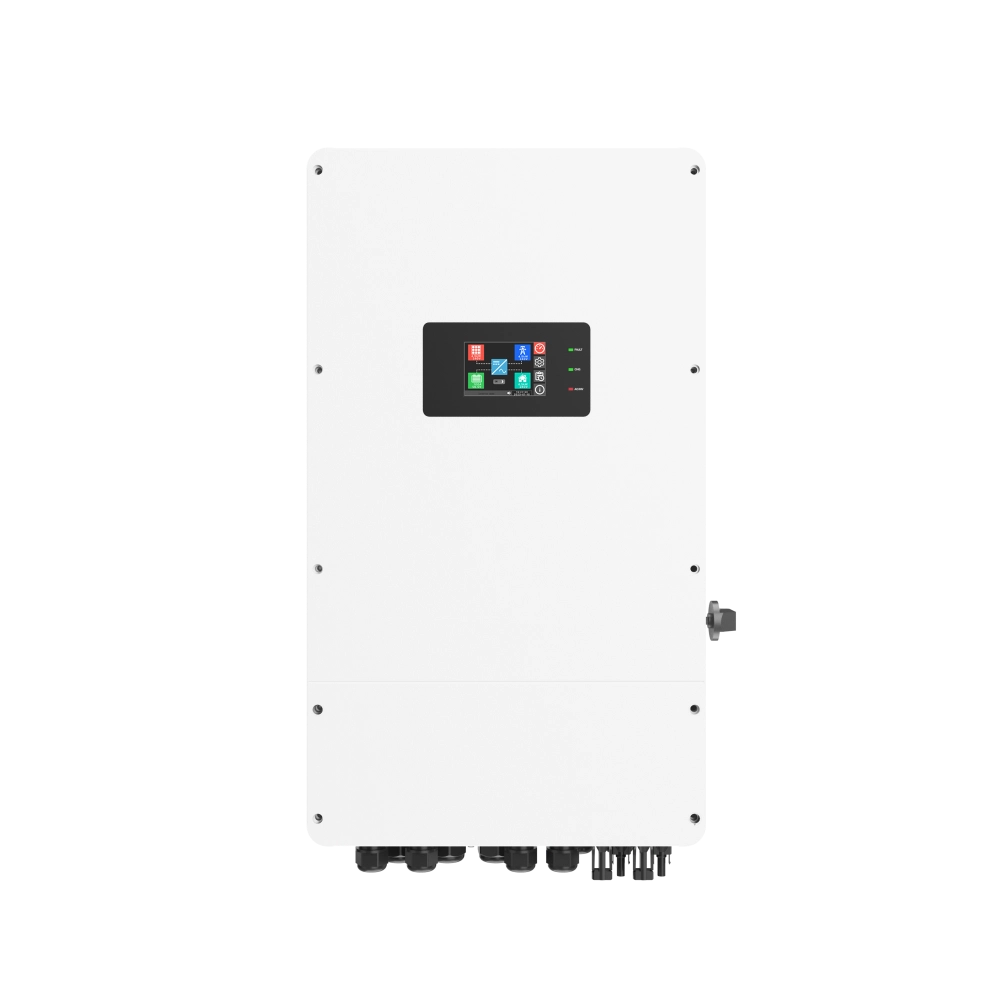
How Do SOROTEC Products Demonstrate Efficiency And Backup Strength?
Battery function shows clearest when linked with thoughtfully built inverter setups. SOROTEC’s energy offerings aim to pair with forward battery tech and actual grid states.
Every product range fits varied scale uses, but each stresses firm reserve and smooth energy movement.
All In One REVO HESS 6/8KW As A Compact Energy Storage Solution
The All in One REVO HESS merges inverter, charger, and energy oversight into one piece. Aimed at home and minor business needs, it backs both grid-tied and standalone running.
Linked with tall tubular batteries, the setup gains from fuller practical volume and steadier drain patterns. This mix yields longer reserve periods without taxing the battery, above all in spots with routine power dips.
Its fit with battery oversight systems further aids in stretching battery duration by guiding charge and drain actions with greater accuracy.
On & Grid MPGS Series 50-600KW For Large-Scale Power Backup
For business and factory users, the MPGS Series backs large-volume grid-tied uses. These setups commonly deal with hefty demands, swift shifts, and firm runtime rules.
In these settings, battery output sways running steadiness straight. Tall tubular batteries grant superior staying power amid prolonged blackouts, lowering chances of midway setup stops.
The MPGS Series handles quick switch times under 10 milliseconds, rendering battery function key amid the shift from grid to reserve ways.
Single-Phase IP66 REVO HES Hybrid Energy Storage Inverter
The IP66-rated REVO HES aims for exposed mounting and rough surroundings. Shifts in warmth and dampness ramp up strain on battery setups, turning toughness into a main point.
Tall tubular batteries act more reliably in these states, upholding volume and easing upkeep demands. This renders them a fitting pair for open solar placements and far-off ventures.
What Practical Benefits Do Tall Tubular Batteries Offer In These Applications?
Past tech details, tall tubular batteries bring hands-on gains that shape setup runtime and user handling straight. These upsides appear sharper in ongoing service.
Enhanced Cycling Durability For Long-Term Backup
Everyday cycling marks usual in solar-fueled homes and hybrid setups. Tall tubular batteries manage this task with greater ease, holding volume across years not months.
This toughness meshes nicely with SOROTEC’s inverter build approach, which centers on long runtime and firm output.
Reduced Maintenance And Operating Cost
Owing to firmer plate hold and less loss of active stuff, tall tubular batteries need upkeep less often. This proves especially useful in business setups where stoppages pose money risks.
Across a standard five-year stretch, fewer upkeep calls and rarer swaps turn into clear savings.
Better Performance Under Peak Loads
Sudden high demands strain batteries sharply. Tall tubular builds handle this more evenly, aiding inverters in keeping output sans voltage falls.
Such action backs even power flow for vital demands like servers, making lines, and health gear.
How Do Conventional Batteries Compare In Real Use Cases?
Standard batteries hold a spot in certain cases. Knowing their pluses and bounds aids in steering clear of ill-fitted setup plans.
Lower Initial Cost But Shorter Lifespan
Standard batteries carry a slimmer starting price, which draws tight-budget ventures. Still, regular swaps frequently wipe out this edge as time passes.
In hybrid setups, duration turns into a curb factor much earlier.
Limited Cycling And Load Capacity
Flat-plate batteries falter with full and repeated drains. Matched with hybrid inverters, volume loss shows up plainly in just a few years.
Suitability For Simple Or Budget-Constrained Projects
For reserve setups tapped only in scarce blackouts, standard batteries stay fitting. They suit less for daily solar hold or heavy-demand uses.
The chart below sums up usual fit for applications.
| Application Type | Tall Tubular Battery | Conventional Battery |
|---|---|---|
| Residential Solar Storage | Highly Suitable | Limited |
| Commercial Backup | Suitable | Conditional |
| Industrial Load Support | Preferred | Not Recommended |
| Occasional UPS Backup | Optional | Suitable |
How To Choose The Right Battery And Inverter Combination For Your Project?
Picking the fitting setup involves weighing tech demands, funds, and coming use habits. Battery pick ought never stand apart from inverter strength.
Matching Load Requirements And System Capacity
Heavy-demand setups gain from batteries that uphold voltage evenness. This match backs the whole yield power of SOROTEC inverters.
Considering Environmental And Installation Scenarios
Exposed and warm spots lean toward batteries with tougher build and warmth hold.
Balancing Cost, Lifespan And Efficiency
Batteries with longer hold often bring sharper worth despite bigger starting expense. This rings true particularly when linked with forward energy reserve inverters.
Conclusion: The Efficiency And Backup Advantage Summarized
Tall tubular batteries plainly bring output and toughness edges over standard batteries in current energy reserve setups. United with SOROTEC’s REVO HESS, MPGS Series, and IP66 hybrid inverters, these batteries back firm reserve, drawn-out duration, and slimmer enduring expense.
For ventures leaning on daily cycling, solar ties, or key demand aid, tall tubular batteries stand as a workable and tested option.
FAQ
Q1: Are tall tubular batteries suitable for hybrid solar systems?
A: Yes. Their full drain power and long cycle span render them a solid match for hybrid solar inverters in everyday energy hold.
Q2: Can conventional batteries work with SOROTEC hybrid inverters?
A: They can be used, but output and duration might face curbs in setups with regular cycling or high demand.
Q3: Which SOROTEC inverter works best with tall tubular batteries?
A: The All in One REVO HESS and Single-Phase IP66 REVO HES commonly pair with tall tubular batteries for home and minor business ventures, whereas the MPGS Series fits big-scale setups.