
Inverters form the core of solar or energy storage setups, working steadily to change power each day. When output falls or problems start showing, effects hit right away: less energy production, shaky backup supply, and climbing upkeep bills. System operators often wonder not just if a fault exists, but if fixing the inverter remains worthwhile or if swapping it out offers a better path.
Spotting early hints of inverter trouble helps avoid lengthy stops and extra costs. In today’s combined and complete energy storage units from SOROTEC, the line between mending old gear and switching to fresh tech has narrowed more than before.
Why Is My Inverter Underperforming?
A decline in array function often signals that the inverter no longer operates properly, although this does not always point to the end of its useful life, yet it does call for sharper watchfulness.
Lower power delivery ranks among the usual gripes, since reports from the International Renewable Energy Agency note that inverter problems cause about 20–30% of solar array output drops in home setups, and when panels generate as expected but the AC power available drops clearly, inner inverter parts or control circuits frequently play a role.
Battery filling patterns may shift gradually too, as hybrid arrays charge at a slower pace, miss full levels, or flip unevenly between grid and storage modes, and these glitches surface more in dated string inverters not built for current lithium handling.
Sudden cutoffs bring further worry, because if the inverter breaks connection often under standard heat or demand levels, the issue might exceed a basic sensor glitch and suggest worn power units or heat-related harm.
What Are The Common Warning Signs Of Inverter Failure?
After function slips, visible and working alerts typically come next, and these clues aid in telling small troubles from major breakdown dangers.
Excess warmth stands as one of the plainest danger signs, for field notes in the sector indicate that too much heat cuts inverter service life by as much as 50% without good control, and poor air flow, dirt layers, or old cooling parts can spark ongoing heat cutoffs, which explains why fresh units like SOROTEC’s IP66-rated inverters stress heat planning and closed guards for tough settings.
Ongoing fault signals form another alert that demands notice, since while brief notices might link to grid shifts or link snags, constant error notes usually show inner hardware fatigue, and current arrays record these happenings plainly, so spotting repeats grows simpler before total breakdown hits.
Visible cues such as odd sounds, scorched odors, or clear shell harm point to graver matters, and once they emerge, keeping the unit running can create safety hazards, particularly in strong home or small business arrays.
When Should You Consider Repairing Your Inverter?
Not all inverter faults demand a complete swap, because in numerous situations, focused fixes hold financial value, above all when the device stays fairly recent.
Small part breakdowns occur routinely in the initial years of use, as fans, links, or outside link modules get made for easy servicing, and swapping these elements frequently brings back usual work without altering the main power circuits.
Short-term program or link errors can also act like hardware breakdowns, since grid rule changes, storage program mismatches, or shaky oversight ties at times trigger wrong warnings, and in those instances, array retuning or program refreshes usually suffice.
Expense acts as a main element, for service figures in the field reveal that inverter fixes under 20–25% of a new unit’s price generally count as fair, and past that limit, swapping proves simpler to support, particularly with gains in output and coverage terms factored in.
When Is Replacement A Better Choice Than Repair?
As arrays grow older, swapping frequently turns into the surer and cheaper route, and this holds true especially when faults repeat or output keeps worsening post-fixes.
Grave hardware harm serves as the most obvious marker, because power circuits, transformers, or DC-AC shift parts cost a lot to mend and might not yield lasting steadiness, so in such spots, stoppage chances alone can top fix savings.
Ongoing service visits convey a like message, since if an inverter needs regular help, the full cost of holding it climbs fast, and per solar upkeep research, arrays with ongoing inverter glitches face up to 15% extra yearly stoppages versus those shifted to newer bases.
Tech outdatedness factors in as well, for earlier inverters may lack backing for present storage types, wise power oversight, or fresh safety rules, and swapping unlocks paths to linked storage, stronger guard levels, and finer grid matching.
How Do SOROTEC Hybrid Inverters Perform In Real-World Conditions?
SOROTEC shapes its inverter lineup on solid dependability and array adaptability, instead of rare traits that seldom find actual application, and this method appears plainly in its combined and full energy storage offerings.
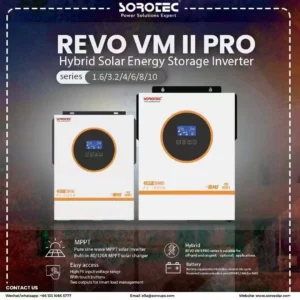
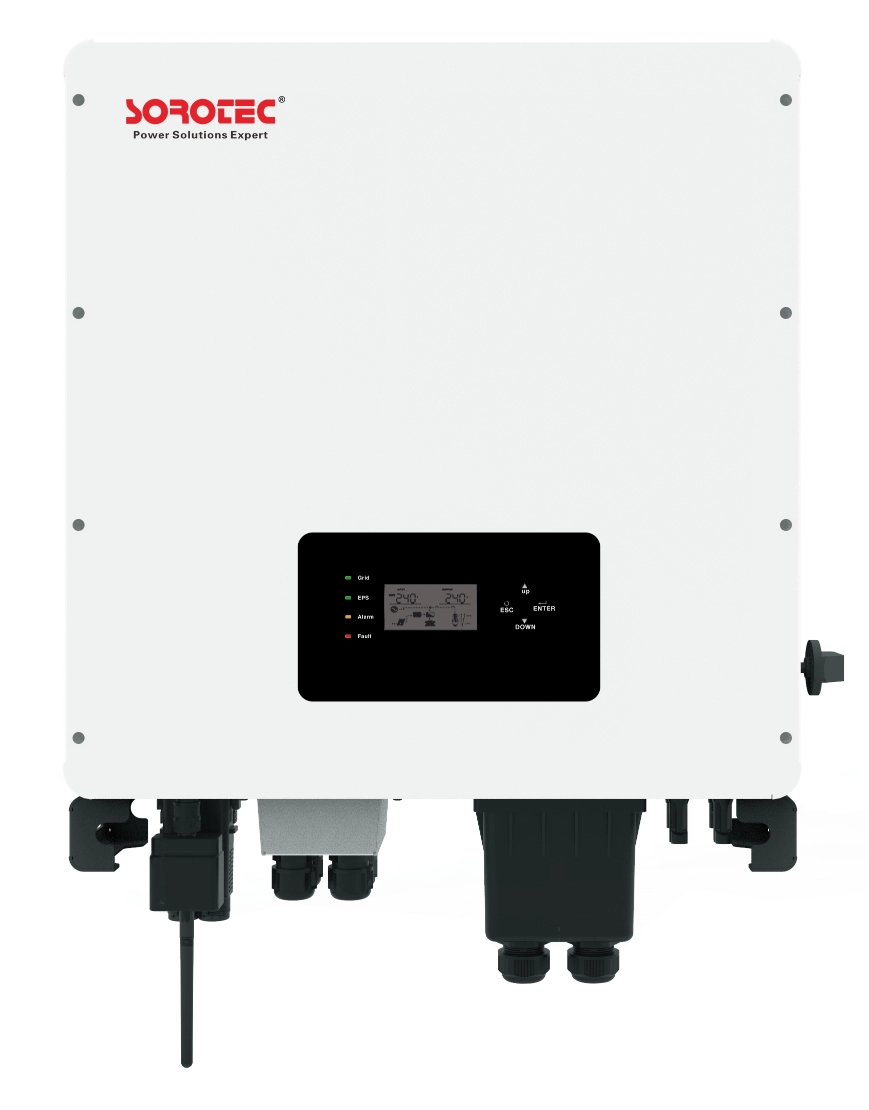
The Single-Phase IP66 REVO HES Hybrid Energy Storage Inverter (6/8/10kW) gets constructed for home and light business users seeking toughness minus array puzzles, as its IP66 cover shields inside elements from dirt, dampness, and open-air contact, which tackles usual warmth excess and rust troubles found in prior indoor-focused builds, and with combined running and storage-ready structure, it lowers chances of quick outdatedness.
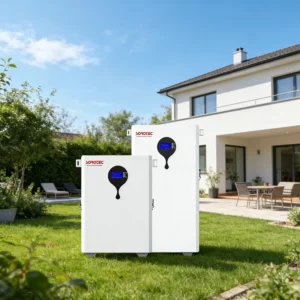
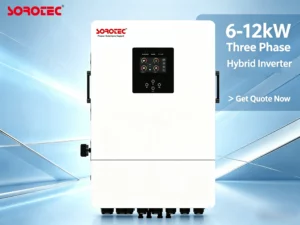
The ALL-IN-ONE Three-Phase Output iHESS L3P G2 Home Energy Storage System (6–12kW) aims at bigger homes and small firms, because by merging inverter, storage oversight, and control units into a single cover, it cuts wiring mistakes and setup slips, both frequent roots of inverter breakdowns, and three-phase delivery also guarantees firm power flow under larger and uneven demands.
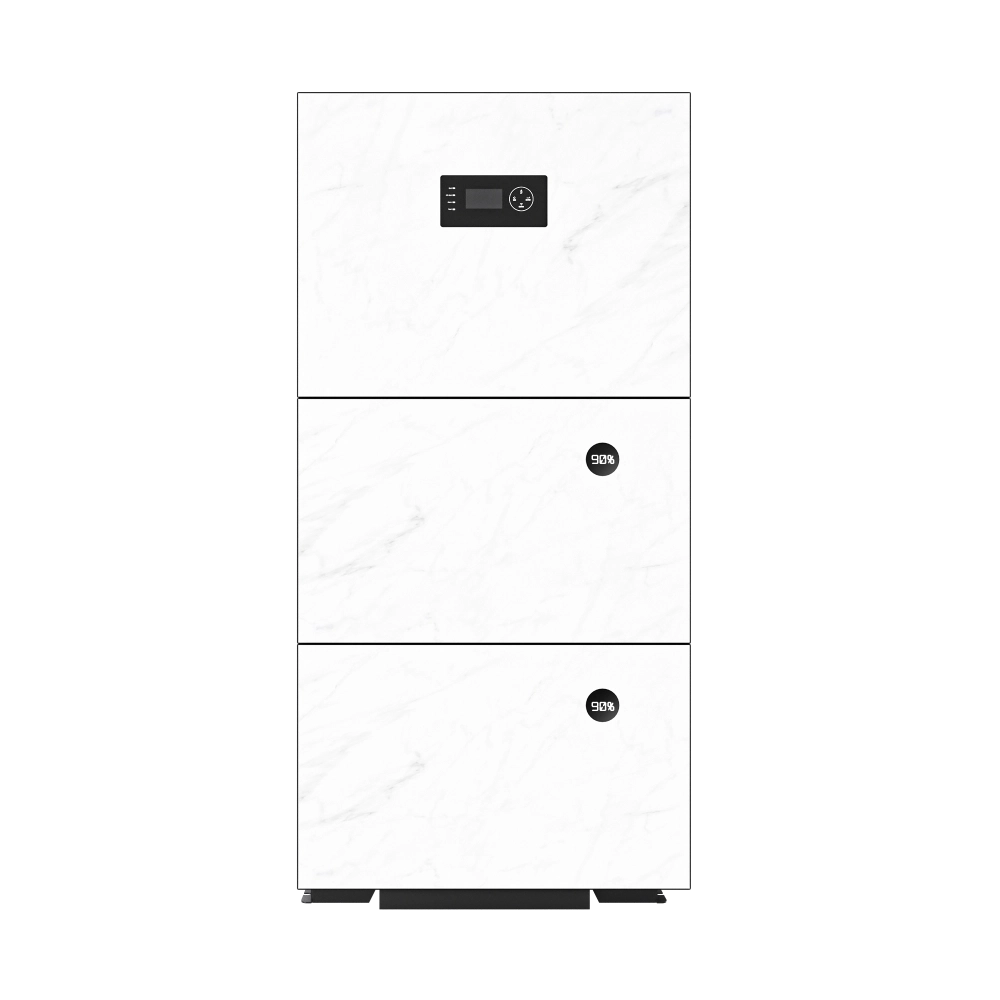
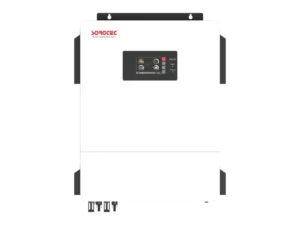
The iHESS Series 1P–3P EU (3.6–12kW) brings versatility over varied grid norms and array scales, since it backs both single-phase and three-phase setups, making it fit for areas where array shifts or growths get planned, and this range cuts swap risks as power demands evolve.
Typical Inverter Lifespan Comparison
| Inverter Type | Average Lifespan | Common Failure Cause |
|---|---|---|
| Traditional String Inverter | 8–10 years | Thermal stress, outdated components |
| Early Hybrid Inverter | 10–12 years | Battery compatibility limits |
| Modern IP66 Hybrid Inverter | 12–15 years | External environment, extreme loads |
Data source: IRENA field reports, manufacturer service records.
Repair vs Replacement Cost Comparison
| Scenario | Estimated Cost Range | Long-Term Reliability |
|---|---|---|
| Minor Repair (Fans, Sensors) | 5–15% of new unit cost | High |
| Major Board Repair | 30–50% of new unit cost | Medium |
| Full Replacement (Modern Hybrid) | 100% | High with warranty |
Industry averages based on residential solar service data from 2022–2024.
Practical Tips To Monitor And Maintain Your Inverter
The strongest inverter gains from steady checks, because eye scans help find dirt piles, stopped air paths, or initial wear traces, and holding program versions current boosts array steadiness and pairing with fresh storage or grid guidelines.
Oversight devices inbuilt to current SOROTEC arrays let operators and fitters notice patterns over sudden breakdowns, and when fault notes grow common or output dips without cause, expert review stays the surest move.
Grasping the point to halt fixes and shift to swaps preserves time and funds, since with present combined and full designs, swapping frequently yields clear output boosts beyond just returning prior states.
FAQ
Q1: How long should a solar inverter normally last?
A: Most traditional string inverters last around 8–10 years. Modern hybrid and IP66-rated inverters often reach 12–15 years under normal operating conditions.
Q2: Is it safe to keep using an inverter with frequent error codes?
A: Frequent error codes usually point to internal wear or unstable operation. Continued use may increase downtime risk and, in some cases, safety concerns.
Q3: Does upgrading to a hybrid inverter make sense if the old one still works?
A: If the existing inverter limits battery options, lacks modern protection, or shows repeated faults, upgrading can improve reliability and system flexibility over time.