
Maintaining a steady electricity supply amid power failures or remote living setups hinges on how effectively the solar panels replenish the stored energy. Homeowners often start with choosing an inverter and battery set, but the crucial figures emerge when figuring out the exact number of solar panels needed to keep those batteries charged. Misjudging the setup might result in batteries draining during emergencies or wasting funds on unused extra panels. Through reviewing real-life cases and SOROTEC’s purpose-built gear, users can pinpoint the ideal balance for their energy system.
What Factors Determine the Number of Solar Panels Required?
Before purchasing any mounting parts, one must evaluate the home’s everyday electricity needs. This check extends past large gadgets; it covers their operating time and the quiet draw from smaller tools.
Daily Power Consumption and Load Requirements
The complete power need sums up every bulb, cooler, and notebook running together. It makes sense to add up each item’s wattage and factor in extra for initial power spikes, especially those from fans in chillers or liquid movers that need a strong start. An average household typically requires roughly 10kW for smooth daily activities, covering inductive parts like pumps and conditioners.
Battery Capacity and Voltage Rating
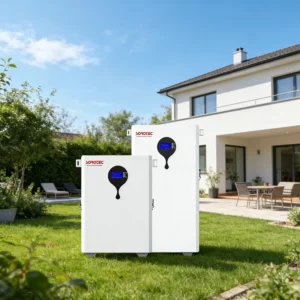
Solar panels mainly work as the refill for the battery, serving as the main energy hold. For setups at 12V, 24V, or 48V, the inverter’s voltage has to match the battery group precisely. In a home using a 25.6kWh lithium iron phosphate (LiFePO4) battery, the solar arrangement must have enough strength to feed back that energy into the units during limited sunny times.
Local Solar Irradiance and Peak Daylight Hours
Sun exposure changes a lot depending on the spot, from bright deserts like the Sahara to dimmer spots in Northern Europe. Instead of all light hours, concentrate on peak sun hours, meaning times of solid brightness for real output. A location with only 3.6 hours of good sun calls for a much bigger panel group to recharge the battery fully, unlike areas with 5 or 6 hours.
How Does Inverter Selection Influence System Sizing?
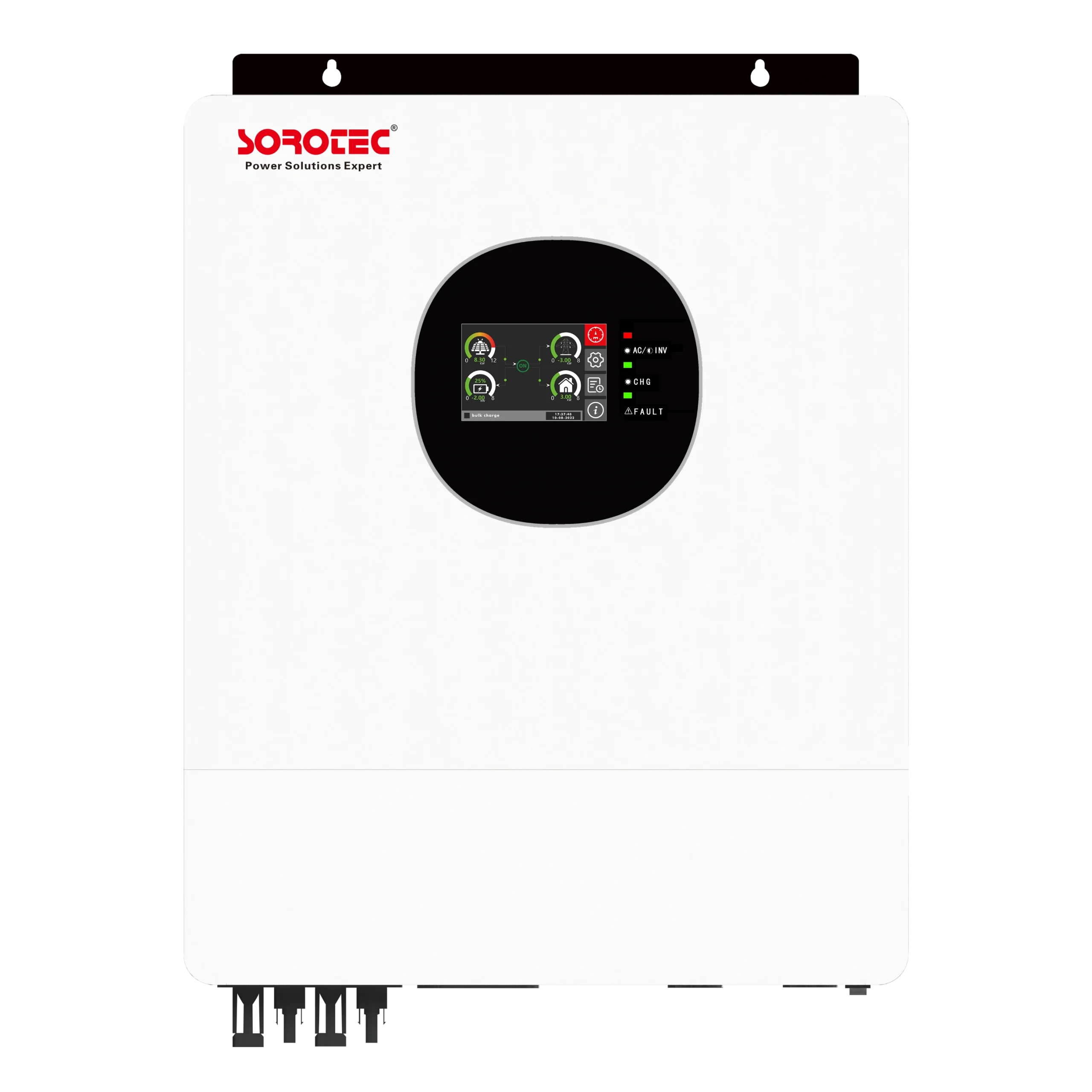
The inverter serves as the main director, guiding electricity from panels to storage or devices. Picking a SOROTEC model with fitting details eases the refill process a great deal.
Maximizing Yield With REVO HMT-G2 6KW
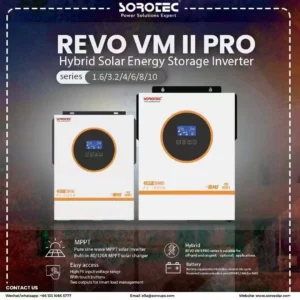
The REVO HMT-G2 6KW fits well with today’s strong panels and gives a top PV input current of 27A, rising to 40A in bigger versions. This solid current support helps a lot, since it allows fitting fewer powerful pieces instead of many tiny ones. Plus, it handles two outputs, so it keeps lights on while sending enough power to batteries for the dark hours.
Handling Large Loads With REVO HMT IP54 L2P G2 8-12kW
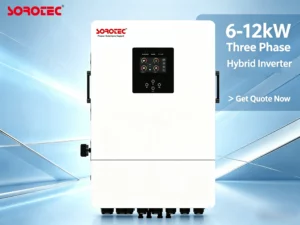
Designed for big homes or small shops, the REVO HMT IP54 L2P G2 line delivers solid results. It supplies up to 120A charging to battery packs, enough for large 500Ah+ setups. And because it supports split-phase power and linking up to six units, the panel collection can expand with rising needs without changing the main inverter.
Robust Off-Grid Performance With REVO HES-G2 6KW
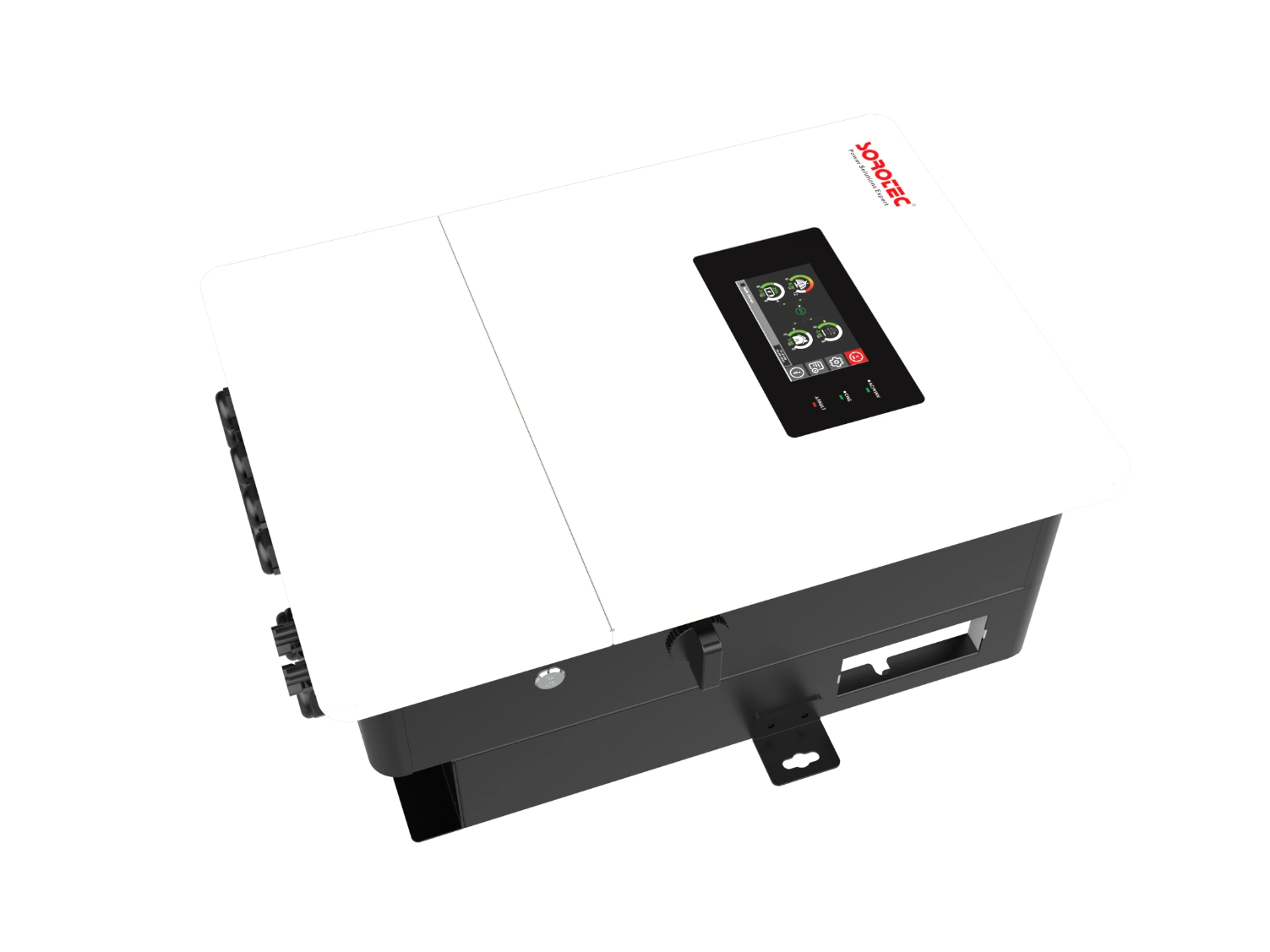
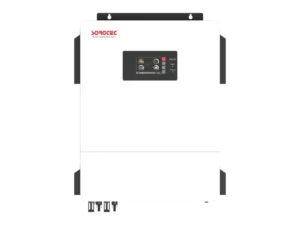
When gear sits outside, the REVO HES-G2 excels with its IP65 protection and five-year coverage. It has a smart “Peak and Valley” option that cuts expenses by filling batteries from sun during peak grid costs and using mains only at low rates. In this way, it makes sure every bit of sun power goes to the best use for savings.
| Feature Comparison | REVO HMT-G2 6KW | REVO HMT IP54 L2P G2 (12kW) | REVO HES-G2 6KW |
| Max PV Input Current | 27A / 40A | 22+22A | 30A |
| Max Charging Current | 120A | 200A | 120/140A |
| IP Protection Rating | IP20 (Indoor) | IP21 (Indoor) | IP65 (Full Outdoor) |
| Parallel Capability | Up to 6 units | Up to 6 units | Up to 6 units |
| Feature Comparison | REVO HMT-G2 6KW | REVO HMT IP54 L2P G2 (12kW) | REVO HES-G2 6KW |
| Max PV Input Current | 27A / 40A | 27A x 2 | 27A |
| Max Charging Current | 120A | 120A | 100A |
| IP Protection Rating | IP20 (Indoor) | IP54 (Semi-Outdoor) | IP65 (Full Outdoor) |
| Parallel Capability | Up to 6 units | Up to 6 units | Up to 6 units |
How Do You Calculate the Exact Panel Count?
Finding the right panel number goes beyond rough guesses; it means checking the gap between usage and sun supply. A clear method helps dodge shortfalls.
Step-by-Step Capacity Calculation Formula
Start the calculation by taking the daily energy goal in watt-hours and dividing by peak sun hours. If someone needs 50kWh each day and gets 3.6 hours of sun, then the panel total hits about 17.5kW to even out. For a 17.6kW build using 440W panels, that adds up to exactly 40 units.
Accounting for System Efficiency and Safety Margins
All systems lose some power, like through wire warmth or changing AC to DC. Most specialists use a 0.8 efficiency number to stay safe. It helps too to include a 10-20% extra to cover cloudy days or extra home chores, such as running the washer more often.
Matching Panel Ratings to Inverter Specifications
The panel’s voltage needs to stay inside the inverter’s MPPT window, usually 60V to 450V DC. If wiring causes too high voltage, it might harm the inverter, and if too low, charging waits for full sun. Matching the panel’s current to the REVO line’s 27A limit stops any wasted output.
Which Solar Panel Technologies Offer the Best Charging Efficiency?
Choosing the panel kind affects space on the roof and how it handles dim weather. Progress has moved far from early days of low 6% output.
High-Efficiency Monocrystalline Silicon Modules
Monocrystalline panels rank as the top pick for roofs, packing lots of power into small areas. These even black pieces usually hit 18% to 24% output and hold up for 25 years. In SOROTEC setups, going with 540Wp or 580Wp monocrystalline types gives the quickest way to fill batteries.
Cost-Effective Polycrystalline and Thin-Film Options
Polycrystalline panels cost less to produce and show a common blue look, but they take more room for the same power. Thin-film provides another path; it’s light and bendy, perfect for odd roofs or campers, but it lags in power and staying power against crystal silicon.
Bifacial and N-Type Technologies for Maximum Gain
Bifacial panels bring a big step forward with cells on front and back, grabbing bounced light from the ground. They lift production by as much as 30% over shiny surfaces like pale stones or frost. New N-type TOPCon panels build on that, working better in warm conditions and keeping strong output over 30 years.
| Panel Type | Efficiency Range | Average Lifespan | Best Use Case |
| Monocrystalline | 18% – 24% | 25+ Years | Limited roof space, high performance |
| Polycrystalline | 15% – 18% | 20-25 Years | Budget-friendly, large ground arrays |
| Thin-Film | 10% – 12% | 10-15 Years | RVs, curved surfaces, lightweight needs |
| Bifacial TOPCon | 22% – 28%+ | 30 Years | Max yield, high-albedo ground mounts |
How to Maintain Your System for Long-Term Reliability?
Setting up solar means a major spend, and just like car upkeep, it calls for steady checks to keep full work. Skipping care speeds up drops in daily fill rates.
Regular Cleaning and Visual Inspections
Grime, waste, and bits can make weak spots that harm cells for good. A basic wash every couple months—mainly after no rain—keeps light hitting the cells, so batteries don’t run low. Looking over for shaky wires or broken covers after bad weather stays key for safe use.
Monitoring Through Intelligent Management Systems
SOROTEC inverters mostly come with built-in Wi-Fi, letting folks check data on phones or laptops. The Smart-EMS tool helps a person see true roof power and battery health. These aids spot troubles soon, skipping big repair bills.
Protecting Components From Environmental Hazards
Strike guards and solid earth links are musts to guard the inverter from bolt hits. Placing inverters in cool, open spots stops cut power from heat build. Keeping air flow near batteries and out of straight sun also lengthens life for lithium parts.
FAQ
Q1: Can solar panels charge batteries on a cloudy day?
A: Yes, they keep going, though yield falls a good bit. New panels, like N-type and thin-film kinds, grab spread light better, but getting what two sunny hours give might take a full dim day.
Q2: Do I need a battery for my hybrid inverter to work?
A: Not always, but leaving it out misses main perks. No hold means no save for nights or cuts. To cut day bills alone, it runs fine without, but for backup, batteries matter most.
Q3: How long will my inverter battery last?
A: It shifts with the build. Basic lead-acid ones hold 3 to 5 years, while top Lithium Iron Phosphate (LiFePO4) ones go beyond 10 years or 3,000 to 6,000 uses, if not emptied fully each time.