

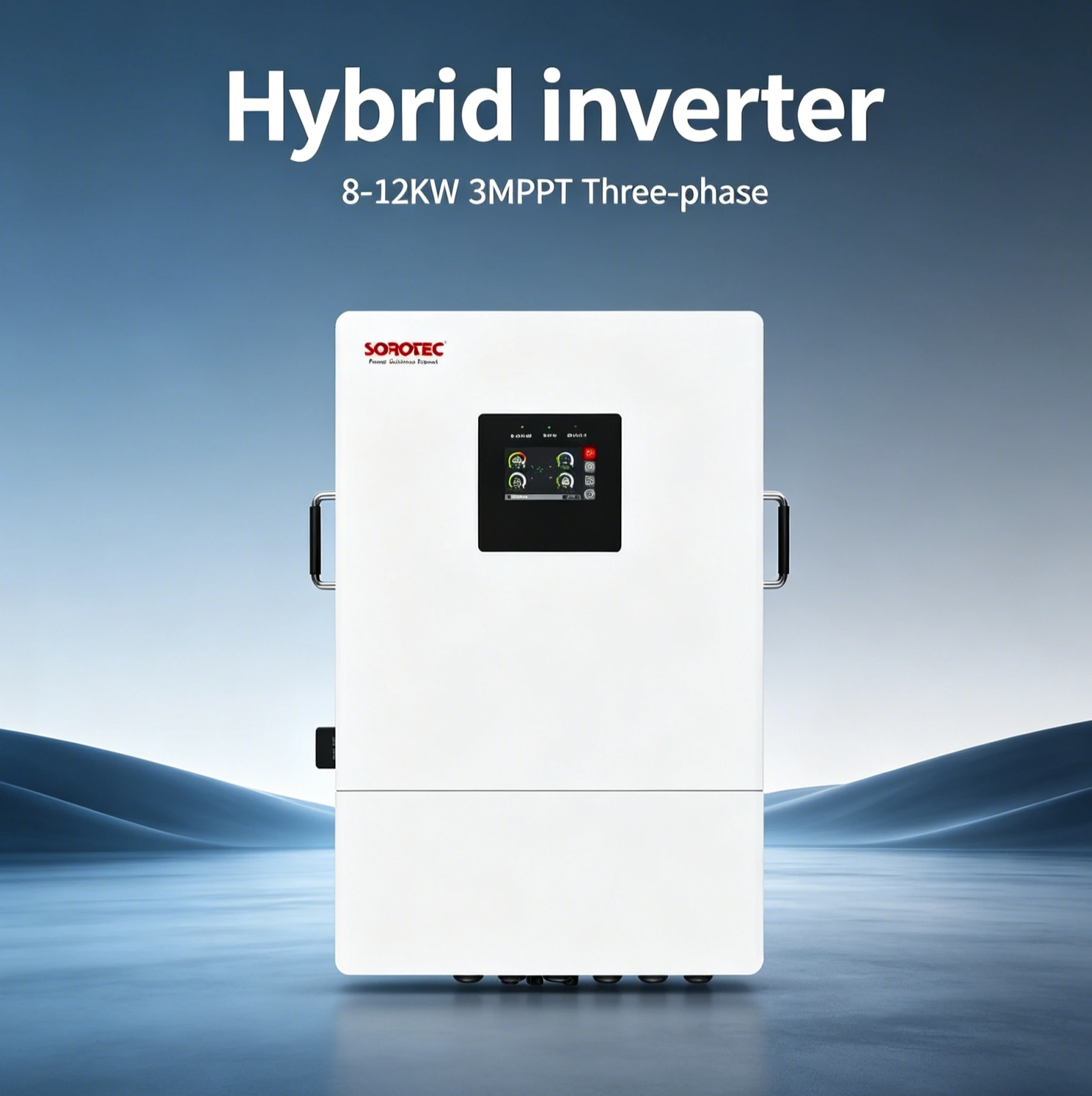
Dynamic Electricity Pricing is changing a very practical question: not just how much electricity you use, but when you use it. In 2026, that timing matters more. Retail power plans are getting more flexible, electricity prices still vary widely by market, and regulators are paying closer attention to contracts that follow wholesale market signals. For homes and light commercial sites, solar storage can turn that complexity into a usable daily strategy. You store energy when it is cheaper or more available, then use it when the grid price rises or the site load peaks.
For buyers who want a supplier with real depth in inverters, batteries, and project support, SOROTEC is worth a close look. The company has worked in power electronics and solar products since 2006, with its own production base, testing capability, and overseas market experience. That matters because storage projects rarely fail on one big issue. They usually fail through smaller mismatches: the wrong battery window, weak load planning, or an inverter that fits the datasheet but not the site. A supplier that speaks both product and application can save a lot of back-and-forth.
Why Dynamic Electricity Pricing Matters More in 2026
The market is moving toward a more time-sensitive view of electricity. Fixed-rate plans still exist. Time-of-use plans are common in many markets. Dynamic contracts go further by linking retail prices more closely to wholesale market conditions, often through day-ahead or intraday prices. That creates room for savings, but it also creates risk if your load cannot move.
Retail Contract Changes
Dynamic plans are no longer just a niche policy topic. The European Commission states that household dynamic price contracts are available in 16 Member States, while adoption remains meaningful in only a limited group of countries. The same document also stresses the role of smart meters and clear consumer information. So, this is not only a tariff story. It is also a system design story.
Dynamic Electricity Pricing and Flexible Loads
Flexible loads are the whole game. EV charging, heat pumps, water heating, refrigeration, workshop equipment, and battery charging can often shift in time. Dinner still happens at dinner time, of course. The meter does not care. A battery helps because it lets the energy move even when your routine does not.
Market Signals to Watch
| 2026 Reference Point | Verified Figure | Why It Matters |
| EU Household Electricity Price, H2 2025 | €0.2896/kWh average | Electricity remains a meaningful cost line for households |
| EU Member States with Household Dynamic Contracts | 16 | These plans are spreading, but not evenly |
| Markets with Dynamic Contract Penetration Above 5% | Finland, Latvia, Netherlands, Sweden, Spain | Real adoption still varies a lot |
| Global Demand Response in Use, 2024 | Around 100 GW | Flexible demand is growing, but much of the potential is still unused |
These numbers point in one direction: pricing is becoming more granular, yet many homes and businesses still lack the equipment or control strategy to respond well.
How Solar Storage Systems Shift Energy Use
A solar storage system does not lower every bill by default. It helps when the load profile, tariff structure, and equipment work together. This is where Dynamic Electricity Pricing becomes concrete rather than theoretical.
Low-Price Charging Windows
When grid electricity is cheaper, a battery can charge for later use. When solar output is strong at midday, that energy can also be stored instead of being exported or left underused. The control plan depends on the local tariff and the user’s priority. Some users care more about bill reduction. Others care more about backup. Many want both.
High-Price Discharge Periods
When prices rise in the evening, stored energy can serve household or business loads. The obvious example is a home with cooking, lighting, air conditioning, and device charging after sunset. In a small business, it may be refrigerators, POS systems, lighting, and ventilation. The load does not need to be dramatic. It just needs to land at the expensive hour.
Solar Self-Consumption and Grid Flexibility
A storage system also helps align solar production with actual use. Photovoltaic generation often peaks before the daily household or storefront load peak. The battery closes that gap. In wider grid terms, this kind of flexibility matters more as solar generation rises and electricity demand becomes less predictable.
What System Features Matter Under Time-Based Tariffs
If a tariff rewards timing, the hardware still has to handle the site. A system that shifts energy well on paper can feel weak in the field if it struggles with phase imbalance, lacks expansion room, or has too little usable battery capacity. Dynamic Electricity Pricing works best when the equipment matches the actual electrical problem.
Three-Phase Load Control
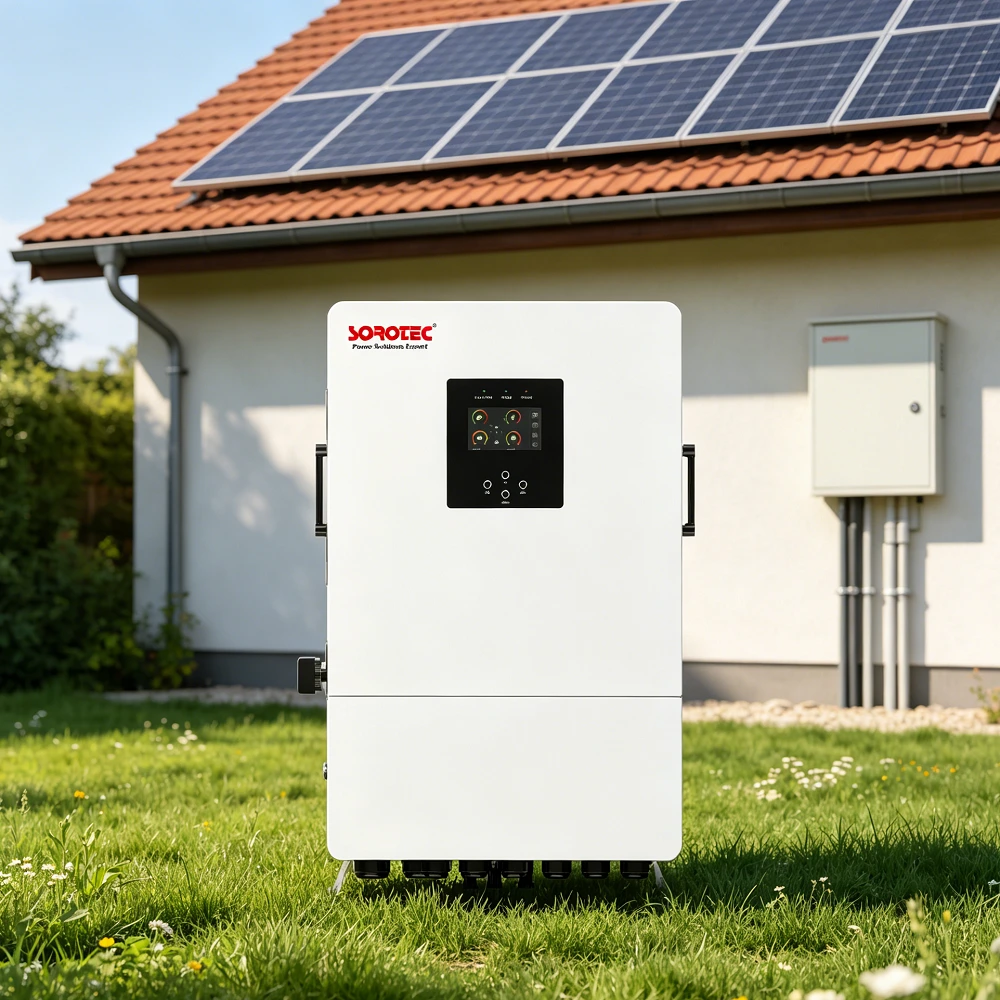
The Three-Phase Output iHESS L3P G2 is a strong fit for projects with three-phase loads and uneven phase demand. It supports 100% unbalanced operation, with each phase delivering up to 50% of rated power. That matters for villas, rural properties, mixed-use buildings, and light commercial sites where loads do not behave neatly across phases. It also supports up to six units in parallel, creating a path toward larger systems when the project grows.
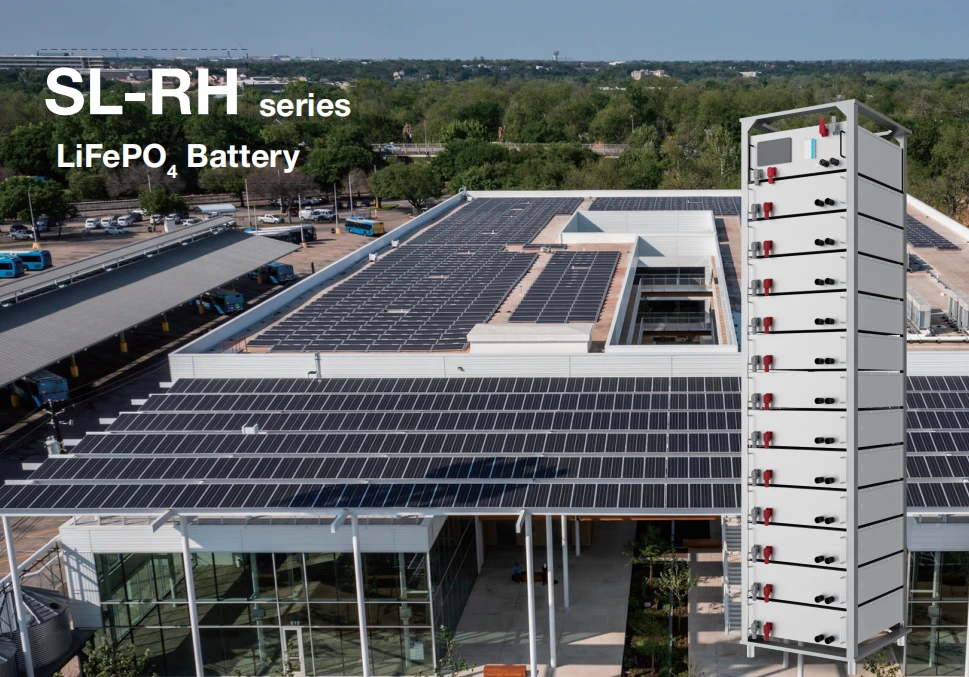
The SL-RH LiFePO4 Battery fits the storage side of the same conversation. The technical sheet lists system energy options of 15.36 kWh, 40.96 kWh, and 61.44 kWh, with available energy of 13.8 kWh, 36.86 kWh, and 55.29 kWh. It uses LiFePO4 chemistry, supports CAN2.0 and RS485 communication, and is designed around modular battery stacks.
Fast Backup and System Growth
Fast switching is also relevant. The three-phase hybrid system lists utility-grid switching below 10 ms, outdoor-oriented IP66 protection, and an operating temperature range from -25°C to 60°C. These points are not tariff features by themselves, but they matter when the same system also serves backup loads. A storage project rarely exists for one reason only.
| Design Need | Relevant System Feature | Practical Value |
| Uneven Three-Phase Loads | 100% Unbalanced Output Capability | Better fit for real mixed-load sites |
| Faster Backup Response | <10 ms Switching | Helps protect selected critical loads |
| Outdoor or Demanding Placement | IP66, -25°C to 60°C | Broader installation flexibility |
| Larger Project Growth | Up to 6 Units in Parallel | Easier power expansion |
| Scalable Storage | 15.36 to 61.44 kWh System Energy Options | Capacity can better match project size |
| Battery Communication | CAN2.0 / RS485 | Cleaner system integration |
The first four rows come from the inverter product page. The last two are listed in the battery technical material.
Real Use Cases for Homes and Light Commercial Sites
Technical language helps during design. Real scenes help during buying decisions. Most users are not trying to win a power systems seminar. They want to know what changes in daily life.
Evening Household Peaks
A family with rooftop solar may generate plenty of electricity around noon, then buy from the grid during the evening. With storage, part of that energy can move into dinner time, air-conditioning hours, and late-night charging. Dynamic Electricity Pricing makes that timing more valuable because the price gap between hours may be meaningful.
Small Business Cost Control
A small shop, bakery, clinic, or rural office can have a sharper midday or afternoon demand pattern. Refrigeration compressors, lighting, pumps, and networking equipment may create a steady base load, with small spikes layered on top. A battery system can help shift part of the energy need away from expensive windows, especially when the site also has solar generation.
Backup Needs That Do Not Pause
Some loads are not flexible. A clinic refrigerator is not a hobby. Network devices, safety lighting, and essential business equipment may need continuity. That is why hybrid systems should be judged on both price-shifting value and backup capability. One function may get the quote started. The other often decides the final purchase.
How to Choose the Right Solar Storage Setup
Good selection starts with the load. The daily bill matters, but the load curve tells the more useful story. A good plan for Dynamic Electricity Pricing should answer three questions: how much energy can you move, when does the expensive use happen, and what must stay powered during an outage?
Daily Load Shape
Start with a 24-hour load profile if available. Look at midday usage, evening demand, and any equipment that starts suddenly. Commercial users should also check whether the site has strong three-phase imbalance. Homes with larger appliances or pumps may need the same check.
Battery Capacity and Power Match
Battery capacity answers runtime. Inverter power answers simultaneous load. They are related, but not interchangeable. A large battery with a small inverter may store plenty of energy but fail to carry the peak load. A strong inverter with too little usable energy may run out sooner than expected. This is where the inverter-and-battery pairing matters.
A Practical Shortlist
For three-phase residential or light commercial projects, the inverter discussed above is a serious candidate because it addresses phase imbalance, backup speed, and future scale. For storage, the battery discussed above offers higher-voltage modular choices, communication support, and capacity steps that cover more than one project class. The right match still depends on tariff rules, actual load, PV size, and backup goals. No shortcut replaces that check.
Better Projects Start with Better Support
A good equipment list is not the same as a good project. You also need product selection, service access, and a clean route to technical contact. The company holds useful background on manufacturing, testing, and product scope. The case-study library can help you review project directions before a formal inquiry. For system sizing, distributor requests, or project service, just contact our team. Dynamic Electricity Pricing rewards timing, but better outcomes still begin with better project decisions.
FAQ
Q: Is Dynamic Electricity Pricing useful without solar panels?
A: It can be, especially if you already have flexible loads such as EV charging or electric heating. Solar plus storage usually gives you more control because you can shift both self-generated electricity and grid energy.
Q: Do you always need a large battery to benefit from time-based pricing?
A: No. The better question is how many kilowatt-hours you need to move from low-value hours to high-value hours. A smaller, well-matched system can be more sensible than an oversized one.
Q: Why does three-phase output matter for storage projects?
A: It matters when the site already uses three-phase service or carries uneven loads across phases. In those cases, phase handling can affect real system behavior more than a headline power rating.