

Picking the proper inverter size ranks among the key choices in any home solar setup. A unit that runs too small might restrict available power and trigger regular stoppages, whereas one that’s too large usually wastes money and drops efficiency during lighter loads. For those setting up grid-connected, standalone, or combined solar arrangements, the inverter’s capacity shapes everyday ease, setup reliability, and eventual payoff from the investment.
This overview covers how to figure out the correct size for a home solar inverter, drawing on everyday family usage stats and straightforward system reasoning. It further highlights how various SOROTEC inverter series match particular home situations, ranging from simple standalone cottages to complete combined home power setups.
What Factors Determine the Right Inverter Size?
Prior to checking specific inverter types or cost brackets, grasping what truly sets the capacity proves helpful. Multiple broad system elements combine here, and overlooking even one can result in poorly fitted gear.
Inverter Capacity Relative to Total Solar Panel Output
The inverter’s size ties directly to the full direct current output from the solar panel group. In home setups, the inverter’s alternating current rating tends to sit a bit under the panel group’s direct current rating. This approach lets the inverter operate nearer to its optimal range for much of the sunny day.
Common trade habits apply a DC/AC ratio between 1.1 and 1.3, based on weather and daily habits. Data from the National Renewable Energy Laboratory (NREL) suggests that minor inverter trimming from stronger direct current feed generally causes little yearly energy drop, yet it boosts the setup’s total worth.
| Solar Array Size (DC) | Typical Inverter Size (AC) | DC/AC Ratio |
| 4.8 kW | 4.0 kW | 1.20 |
| 6.5 kW | 5.0 kW | 1.30 |
| 8.0 kW | 6.0 kW | 1.33 |
Homeowners employing SOROTEC combined inverters such as the REVO HES-G2 6KW find this ratio works nicely with fair-sized roof setups that likewise handle battery filling and grid ties.
Typical Household Load Requirements
Family power needs shift a lot by location, device kind, and living style. The U.S. Energy Information Administration (EIA) states that the average U.S. home consumes about 10,500 kWh per year, equaling around 29 kWh daily.
That said, inverter sizing hinges more on instantaneous power demand instead of total daily energy. Power-hungry devices like cooling units, electric stoves, water pumps, and tools frequently activate together, sparking brief yet intense draws.
| Appliance Type | Typical Running Power |
|---|---|
| Central Air Conditioner | 3,000–5,000 W |
| Electric Water Heater | 3,000–4,500 W |
| Microwave Oven | 1,000–1,500 W |
| Refrigerator | 150–800 W |
Dwellings depending on several high-draw items at the same time typically call for an inverter within the 5 kW to 8 kW range, where SOROTEC’s REVO HES-G2 and VM IIPRO lines see frequent use.
Future Expansion and Battery Integration
Solar setups seldom remain fixed forever. Numerous owners add storage units, grow panel groups, or ramp up power draw after shifting to electric stoves, warmth sources, or cars.
Combined and standalone inverters need sizing for present draws as well as coming fill and release needs. SOROTEC combined inverters feature broad battery voltage support, which eases growth without swapping the inverter down the line.
How Do You Match Inverter Size With Real Power Needs?
After identifying the primary sizing elements, the following move involves turning routine usage into a workable inverter capacity that holds up in actual settings.
Calculating Peak and Continuous Load
Peak load means the top power pull when various devices work together. Continuous load covers the power needed for standard home running across extended times.
Take a dwelling with a fridge, lights, web gear, and a minor cooler—it might pull just 2–3 kW steadily, but initial rushes can spike short-term needs far higher. Thus, the inverter must manage each.
Here, SOROTEC’s inverter builds shine. Units like the REVO VM IIPRO Series include solid rush handling, fitting homes with pumps, squeezers, or shop tools.
Considering Appliance Startup Loads
Plenty of devices demand far more power at launch than in steady running. Engines in coolers, fridges, and pumps may require two to three times their rated power briefly.
Should an inverter fail these rushes, the setup could halt despite average draws seeming fine in figures. Standalone systems feel this keenly, so SOROTEC standalone inverters stress rush endurance and firm output amid shifting draws.
Balancing Daily Consumption and Inverter Capacity
Going too big on an inverter won’t always lift setup output. Extra-large units at low draw points might run with less effectiveness and carry higher starting prices.
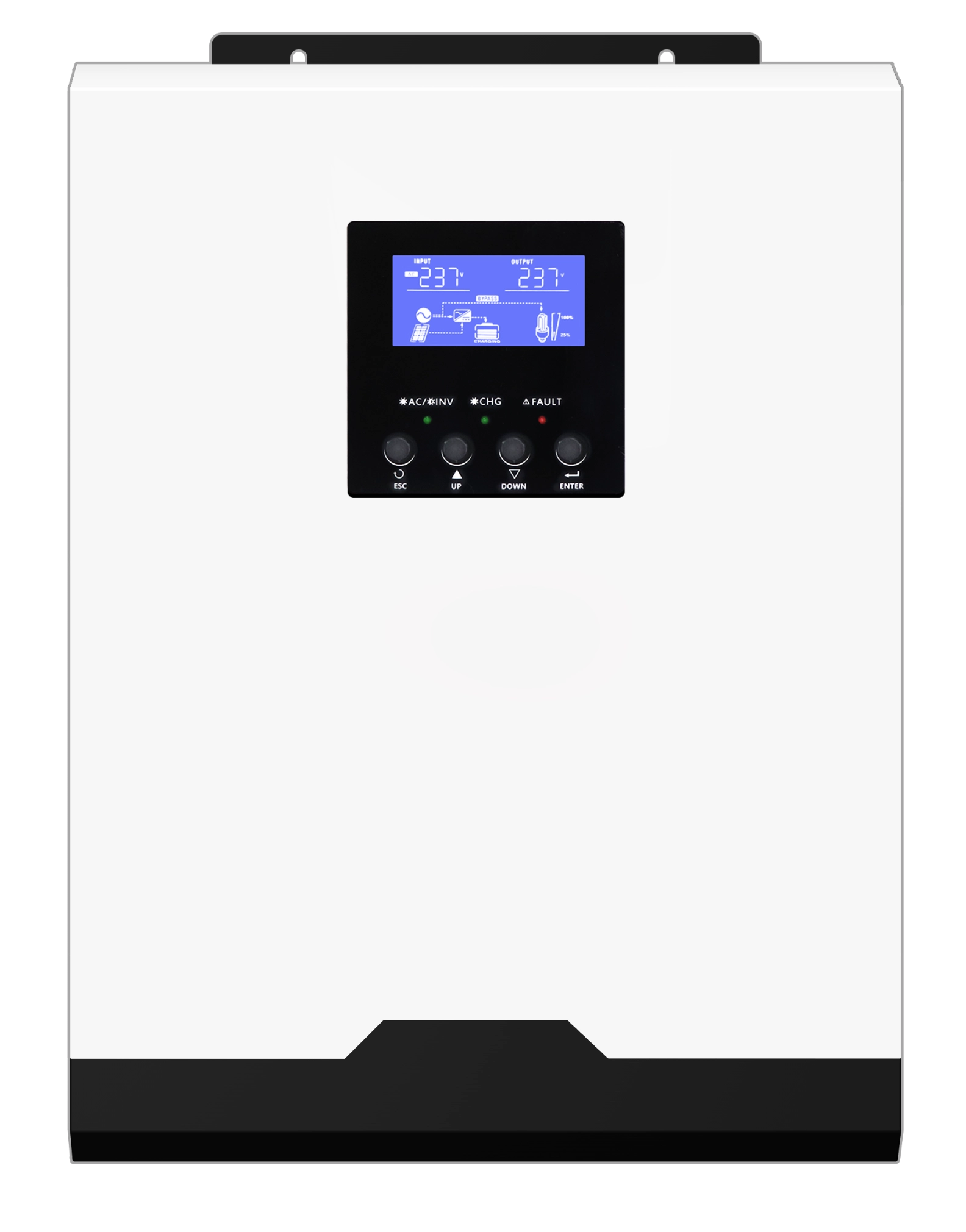
The aim stays evenness. In modest standalone homes or reserve setups, lines like the REVO VP/VM Series (1.2–5 kW) typically offer the strongest fit of capacity, effectiveness, and price. Bigger families or dual-purpose buildings gain from the range of stronger units.
Which SOROTEC Inverter Series Fit Different Home Systems?
Varied home solar setups demand distinct inverter structures. SOROTEC supplies plain product splits that line up neatly with usual home cases.
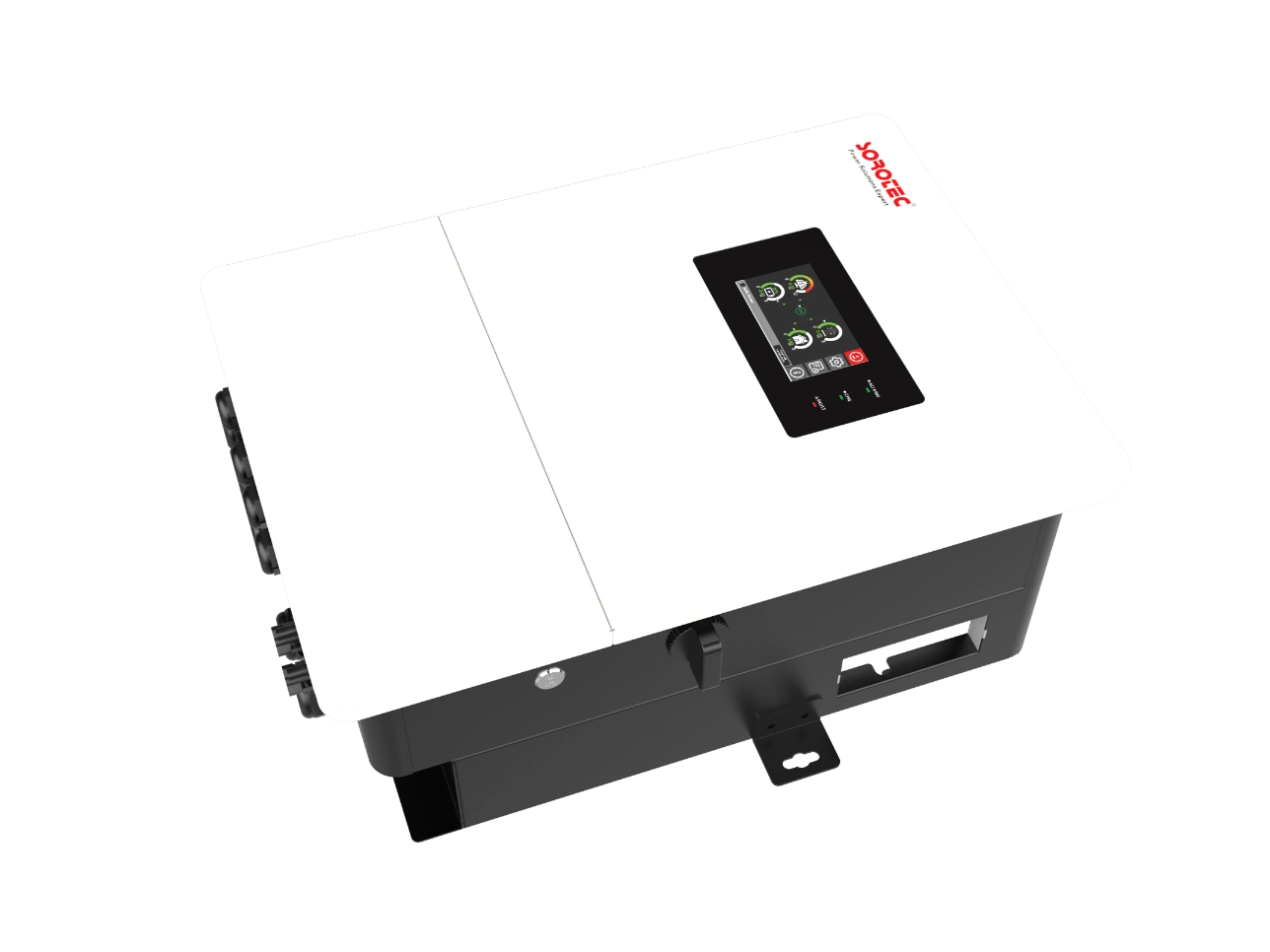
On & Off Grid REVO HES-G2 6KW for Hybrid Systems
The REVO HES-G2 6KW targets owners seeking grid links, battery reserves, and solar use in a single arrangement. It backs both grid-linked and standalone running, enabling easy switches amid outages.
This type matches fair-sized homes with daily power in the 20–40 kWh band and rising battery interest. It also works in areas with shaky grids where reserve power ranks high.
Off Grid REVO VP/VM Series for Small Off-Grid Homes
For huts, far-off dwellings, and simple standalone builds, the REVO VP/VM Series gives small inverter picks from 1.2 kW to 5 kW. These focus on core home draws, steady standalone work, and basic layout.
People apply them often in light, cooling, link gear, and minor device systems where ease and steadiness outweigh growth.
Off Grid REVO VM IIPRO Series for Larger Off-Grid Demands
The REVO VM IIPRO Series, spanning 1.6 kW to 10 kW, suits tougher standalone needs. These inverters back bigger battery sets and stronger rush draws, fitting full standalone homes, ranches, and blended home-business spots.
Their growth potential lets planners align inverter size tight with true needs over using too-big gear.
Why Does System Configuration Affect Inverter Choice?
Inverter size by itself doesn’t set setup output. The way the system assembles holds equal weight.
On-Grid vs Off-Grid vs Hybrid Architecture
Grid-linked setups stress effectiveness and grid rules, whereas standalone ones prioritize freedom and firmness. Combined setups tackle both. Each build puts varied strain on the inverter, shaping size and type picks.
SOROTEC’s combined inverters aim to link these wants, giving adaptable running sans extra tools.
Battery Bank Compatibility and Voltage Matching
Battery voltage and size impact inverter work straight. Ill-matched batteries might cap usable power or shorten setup span. SOROTEC inverters back standard home battery voltages, easing layout and later boosts.
Solar Array Size and Inverter Input Limits
Each inverter sets caps on solar input voltage and flow. Selecting one that fits the planned panel plan cuts energy waste and wire hassle, particularly in multi-line roof setups.
What Practical Steps Help Avoid Sizing Mistakes?
Getting inverter sizing right avoids wild guesses. It sticks to a plain, repeatable path.
Conducting a Load Audit Before Purchase
Noting key devices, their steady power, and usual run times paints a true demand view. This often shows real peak draws stray from rough averages.
Consulting Technical Specifications Early
Checking inverter input caps, rush power, and battery fit early in planning stops pricey fixes afterward. SOROTEC offers straightforward tech papers to aid this.
Allowing Reasonable Margin for Growth
Building in small space for later adds makes sense, particularly for combined setups. The point is range, not extra bigness.
FAQ
Q1: What inverter size is suitable for an average home solar system?
A: For numerous families, a unit from 5 kW to 8 kW covers usual daily runs and top draws. True wants hinge on device blend, weather, and coming aims.
Q2: Is it better to oversize or undersize a solar inverter?
A: A touch of extra size aids rush draws and growth, but too much ups cost sans output gains. Even sizing often proves wisest.
Q3: Can one inverter support both grid and off-grid operation?
A: Yes. Combined units like the SOROTEC REVO HES-G2 work with grid, batteries, and solar in one tied setup.


