

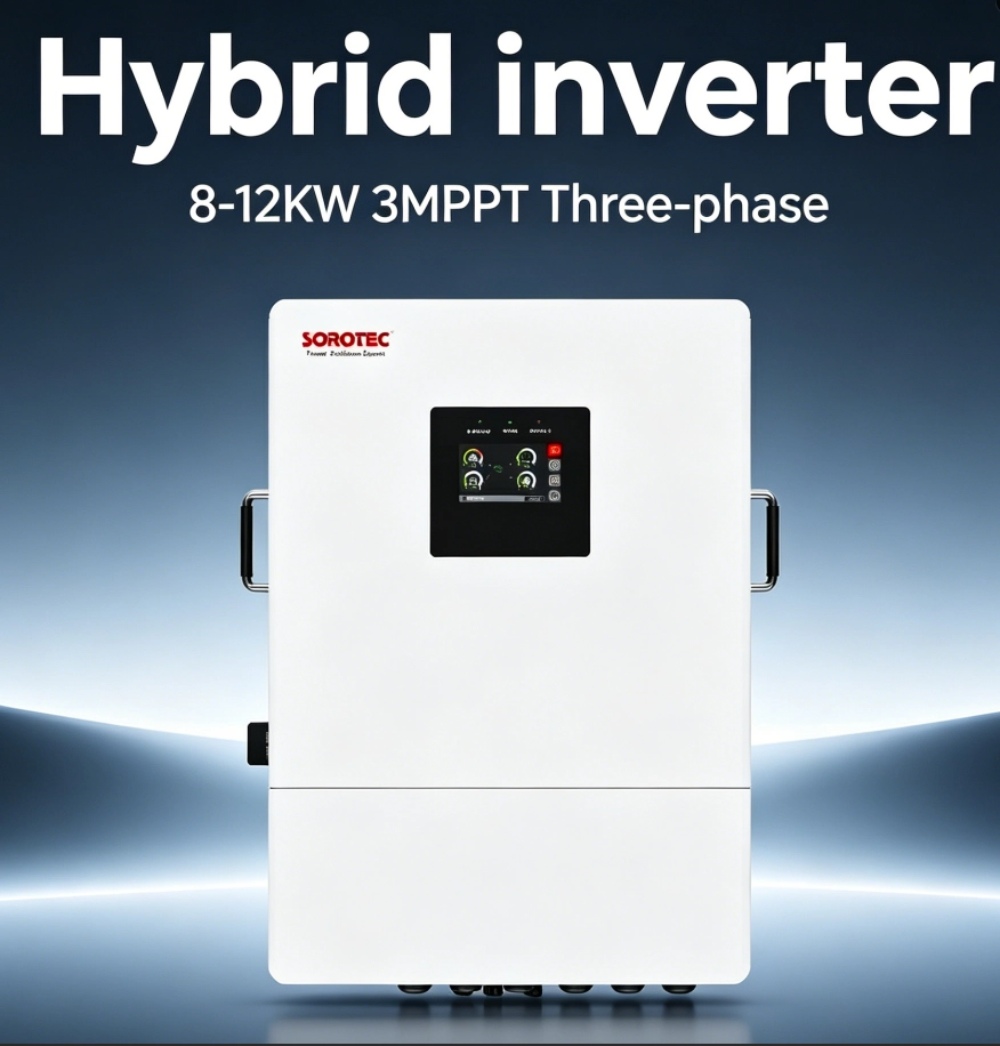
Residential vs. Commercial energy storage is no longer a simple comparison between “small systems” and “large systems.” In 2026, the real differences sit in load shape, backup expectations, phase balance, battery expansion, and how often the system cycles. Residential vs. Commercial design also matters more because solar-plus-storage is moving from a premium add-on to a practical energy tool for homes, shops, clinics, villas, and light commercial sites.
SOROTEC has worked in power electronics and new energy since 2006, serving global users with solar inverters, energy storage batteries, and power solutions for demanding project conditions. That matters in real projects. Buyers do not choose an inverter or battery in isolation. They need a system that fits the load, communicates smoothly, supports future expansion, and comes with reliable technical service. The company profile gives more background on its production scale, testing capability, certifications, and OEM/ODM experience.
Why Residential and Commercial Storage Systems Are Designed Differently
A storage system works well only when its design follows the job it must do. A family home, a café, and a small workshop may all use solar batteries, yet their daily power patterns are not alike. This is where poor sizing usually starts.
Residential vs. Commercial Load Profiles
A home often has clear morning and evening peaks. Lighting, cooking, water heating, air conditioning, and sometimes EV charging drive the load. Many household systems aim to raise solar self-use and keep essential devices running during outages.
A commercial site behaves differently. Loads may rise during business hours, not after sunset. Refrigeration, pumps, office equipment, workshop tools, and HVAC can create sharp demand spikes. In some sites, one phase may carry more load than the others. That detail is easy to miss at the planning stage, then it becomes a headache later.
Backup Targets and Runtime Priorities
Homeowners often ask, “How long can the fridge, router, lights, and a few sockets stay on?” That is a backup-runtime question. Commercial buyers usually ask, “Can the system protect core operations and reduce power disruption?” That is a continuity question.
The answer changes inverter choice and battery size. A short backup window for household essentials may not need the same energy reserve as a commercial site that wants to ride through unstable grid periods or keep refrigeration active during outages.
Site Limits and Upgrade Paths
Residential sites may have limited wall space, indoor cabinet space, or strict placement rules. Commercial sites often have more room, but they also need cleaner wiring paths, easier maintenance, and expansion options.
This is one reason modular batteries now receive so much attention. You may not want to oversize the first installation. Starting with the right base system and keeping room for later growth is often the smarter path.
Residential Energy Storage Design in 2026
Residential storage design should focus on practical daily value. It needs to manage solar use, provide backup when needed, and stay simple enough for the user to live with. Fancy features mean little if the daily operation feels clumsy.
Self-Consumption, Backup, and Daily Comfort
For many homes, the first goal is not total grid independence. It is better use of rooftop solar. Instead of sending too much midday power back to the grid and buying electricity later, the system stores part of that energy for evening use.
Backup still matters. A homeowner may want refrigerators, internet equipment, a water pump, lighting, and selected outlets covered during a blackout. This type of load is usually predictable, which helps with clean system sizing.
Three-Phase Output for Larger Home Loads
Some homes, villas, and mixed-use properties already use three-phase service. In these cases, phase balance becomes part of the storage design. An inverter that can deal with uneven loads is far more practical than a system that assumes every phase behaves neatly.
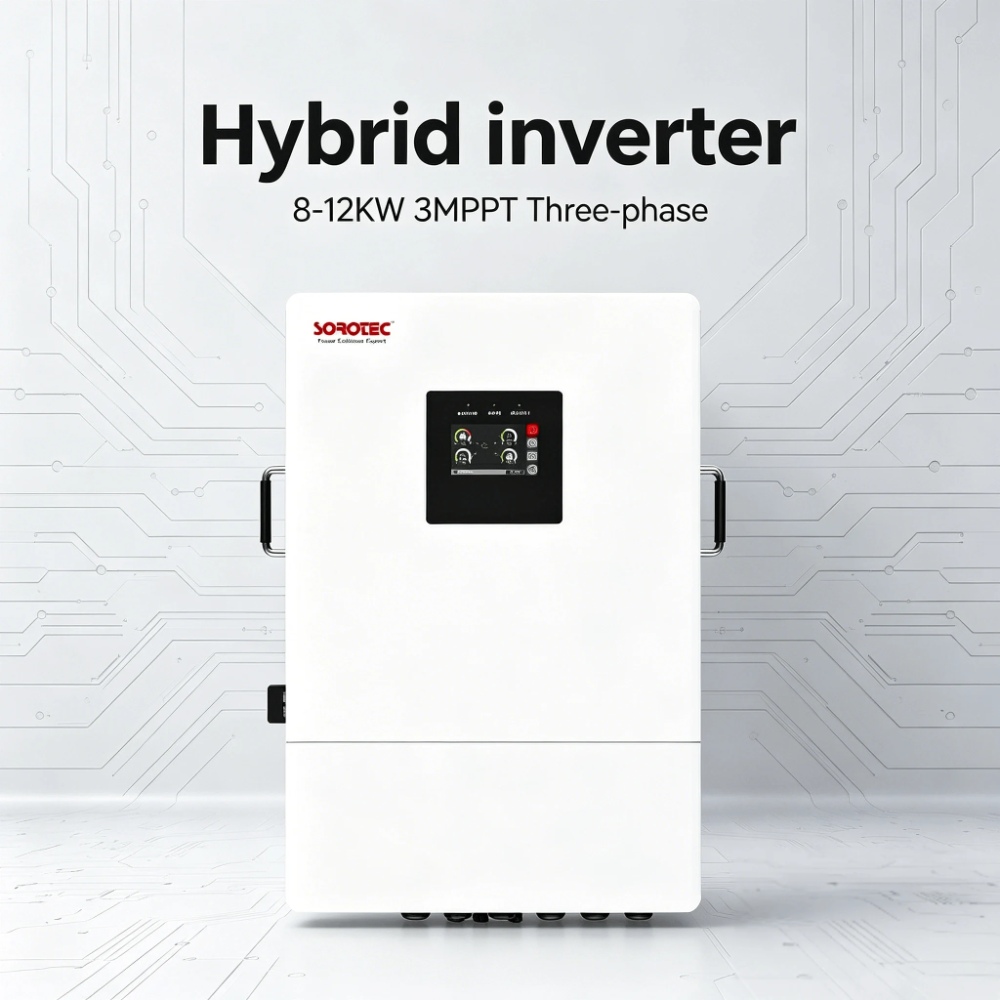
The Three-Phase Output iHESS L3P G2 is worth considering for this kind of project. It supports 100% unbalanced three-phase operation, with each phase able to deliver up to 50% of rated power. It also offers IP66 protection, a wide operating range from -25°C to 60°C, <10 ms switching, and six-unit parallel expansion up to 72 kW. For larger homes with uneven load patterns, that combination is quite relevant.
A Practical Inverter Choice for Modern Homes
A modern residential system may later add more PV, more battery capacity, or heavier appliances. It helps when the inverter does not lock the project into a narrow future.
The same three-phase hybrid inverter supports an 800 V MPPT system with a 200–650 VDC voltage range and smart charging support for diesel generators. That does not mean every home needs those functions. Many do not. But for rural properties, villas, or houses with mixed backup priorities, they can make the design less fragile.
Commercial Energy Storage Design in 2026
Residential vs. Commercial system design becomes especially clear once power use affects daily revenue. A shop that loses refrigeration, a clinic that sees unstable voltage, or a workshop that faces peak demand at the wrong time is not dealing with a minor inconvenience.
Peak Demand, Load Imbalance, and Continuity
Commercial systems often face three linked issues: higher instantaneous load, more uneven demand across phases, and stronger pressure to avoid downtime. Even a small site can have a demanding profile if motors, compressors, pumps, or cooling equipment cycle frequently.
This is where three-phase output and unbalanced load handling deserve serious attention. A system that adapts better to uneven phase demand can support a cleaner design for small businesses and mixed-use buildings. It is not glamorous, but it is very useful on site.
Battery Capacity for Longer Daily Duty
Commercial and heavy residential users may cycle storage more actively. They may use batteries to support daytime solar use, evening loads, and selective backup. That calls for robust energy reserves and a battery system built for longevity.
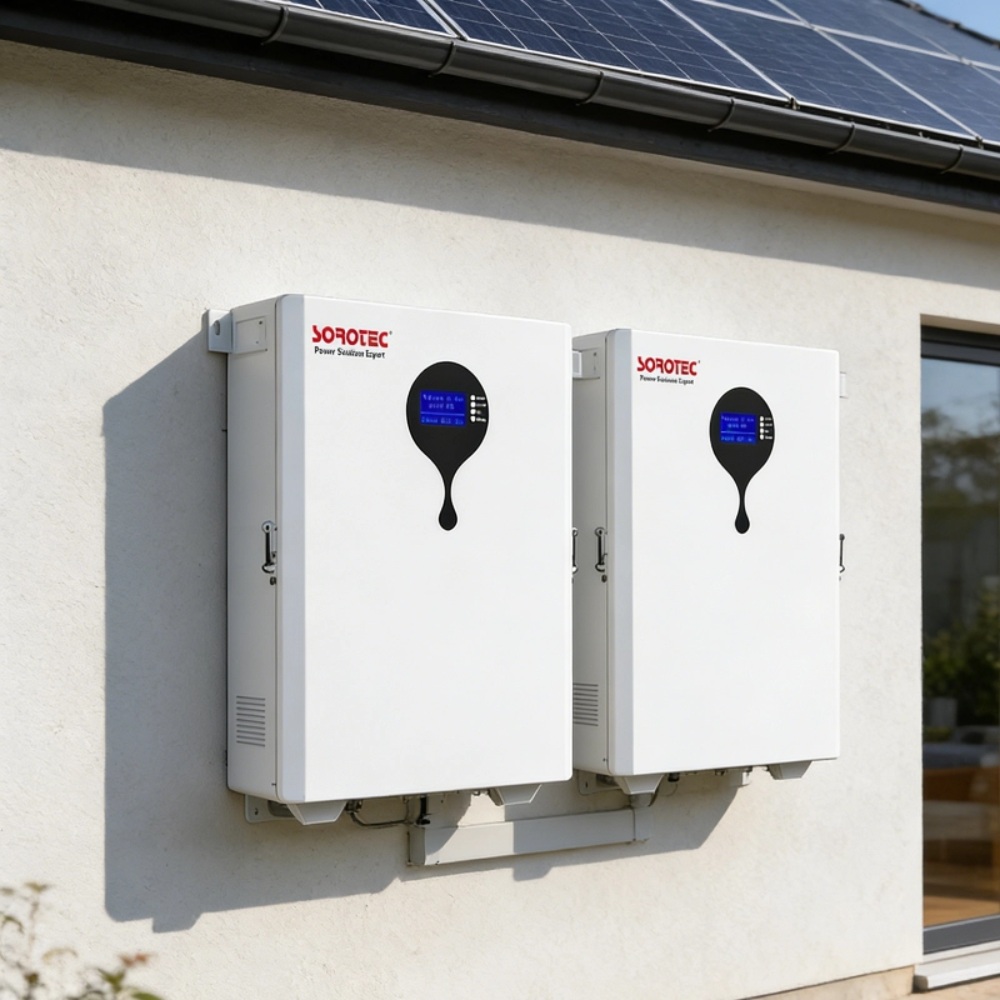
The SL-W and SL-R Series LiFePO₄ Batteries are specifically built to handle these demanding solar storage needs. Offering flexible capacity options ranging from 100Ah to 300Ah, these systems allow users to scale their energy reserves to match specific site loads. Engineered for long-term reliability and heavy daily cycling, the batteries feature a 10-year design life and deliver a cycle life of at least 6000 cycles. Whether utilizing the wall-mounted (SL-W) or rack-mounted (SL-R) configuration, they provide the dependable energy depth required to maximize daytime solar utilization and secure backup power.
Practical Fit for Shops, Villas, Clinics, and Small Facilities
Commercial does not always mean industrial scale. A dental clinic, a countryside guesthouse, a café with refrigeration, or a farm office with pumps and network equipment may all need a storage system that sits between residential and utility-grade design.
That middle zone is where product pairing matters. A three-phase hybrid inverter can manage the AC side, while a high-voltage LiFePO4 battery stack provides energy depth and future flexibility. The choice feels technical, but the business reason is simple: the system should match actual use, not a brochure fantasy.
Inverter and Battery Selection: What Changes by Application?
Residential vs. Commercial planning becomes easier when the design is broken into two questions: how much power is needed at one moment, and how much stored energy is needed over time. Power points toward inverter sizing. Energy points toward battery sizing.
Verified 2026 Market Signals
The wider market explains why this topic matters now. Battery storage is scaling quickly, and lithium iron phosphate chemistry has become the dominant deployment path in recent data.
| Market Signal | Verified Figure | Design Relevance |
|---|---|---|
| New Battery Storage Capacity Added Worldwide in 2025 | 108 GW | Storage is becoming a mainstream power technology |
| Growth vs. 2024 | 40% | Demand is rising fast across multiple applications |
| LFP Share of 2025 Deployments | Around 90% | LiFePO4 is now a central chemistry for storage projects |
| Utility-Scale Battery Project Cost in 2024 | Around USD 150/kWh | Lower costs support wider storage adoption |
| Utility-Scale Additions in 2024 | 63 GW | Storage is expanding beyond niche use cases |
These figures do not tell you what size system to buy, of course. They do show why storage design is getting more serious in both home and business projects.
Product Fit for Different Design Jobs
| Design Need | Relevant Product Detail | Why It Matters |
|---|---|---|
| Uneven Three-Phase Loads | 100% Unbalanced Output Capability | Useful for larger homes and small commercial sites with uneven phase demand |
| Outdoor or Semi-Outdoor Installation | IP66 Protection | Supports tougher placement conditions |
| Fast Backup Response | <10 ms Grid Switching | Helps protect selected critical loads |
| Future Power Expansion | Up to 6 Units in Parallel, Up to 72 kW | Makes phased upgrades more practical |
| Battery Scalability | 15.36–61.44 kWh System Energy Options | Covers a wider range of project sizes |
| Battery Communication | CAN2.0/RS485 | Supports system integration and management |
The inverter data comes from the official product page, while the battery capacities and communication details are listed in the battery technical sheet.
Matching Power, Energy, and Expansion
A common mistake is to compare only kilowatts. Power rating matters, but it does not replace energy capacity. A 10 kW inverter tells you how much load can be handled at a time. A 40.96 kWh battery system tells you how much stored energy is available across a longer period, before conversion losses and load behavior come into play.
That distinction is central in Residential vs. Commercial design. Homes often begin with backup and bill reduction. Commercial users often add runtime, operating continuity, or load support during business hours. Same technology family, different pressure points.
How to Choose the Right Energy Storage Architecture
A good system design starts with the load chart, not with a sales slogan. The questions are basic, but they save money.
A Fast Selection Checklist
Start with five checks:
Daily power use
Peak simultaneous load
Single-phase or three-phase service
Backup loads and required runtime
Future expansion plans
If you do not know the last two, pause there. That gap often leads to oversized systems in one project and disappointing runtime in another.
When the System Needs to Grow
A modular battery layout helps buyers who expect energy demand to increase. The SL-RH battery design supports module-based system growth, while the three-phase hybrid inverter can be expanded in parallel configurations. That does not mean every project should expand later. It means the starting design does not need to block the next step.
Common Design Mistakes to Avoid
The most common mistakes are surprisingly ordinary:
Choosing battery capacity from guesswork
Ignoring phase imbalance
Treating backup power and bill savings as the same objective
Forgetting placement, service access, and future upgrades
One small detail often gets overlooked: a system that looks perfect on a spreadsheet can still be awkward to maintain. Service space, wiring paths, and practical access matter.
Why Supplier Support Still Matters After Product Selection
Even a strong inverter and battery pair needs good project support. Product pages help, but real buyers also want application references, service follow-through, and a clear path to contact a technical team when the design becomes specific.
Product Depth Across Solar and Storage
A supplier with both inverter and battery knowledge can help reduce mismatch risk between system parts. That matters when communication protocols, backup behavior, and future expansion all sit in the same design conversation.
Case References Before the Quote
Before final selection, it is useful to review the case-study library. It gives buyers a better feel for real application contexts, which is often more helpful than reading another generic product claim.
Service, Contact, and Project Follow-Through
The final lesson in Residential vs. Commercial energy storage is simple: pick a system that fits the real load, leaves room for change, and comes with responsive support. For product selection, technical service, or project discussion, contact the team directly.
FAQ
Q: Is Residential vs. Commercial energy storage mainly a battery size question?
A: No. Battery size matters, but system design also depends on inverter power, phase structure, backup runtime, daily load shape, and future expansion plans.
Q: When does a three-phase hybrid inverter make sense?
A: It makes sense when the site already uses three-phase power or when loads are uneven across phases. Larger homes, villas, workshops, and certain small commercial sites may benefit from that layout.
Q: Why choose a modular high-voltage LiFePO4 battery system?
A: A modular system gives more room to match the project scale. It can suit smaller installations at the start and still support larger configurations when demand grows.