

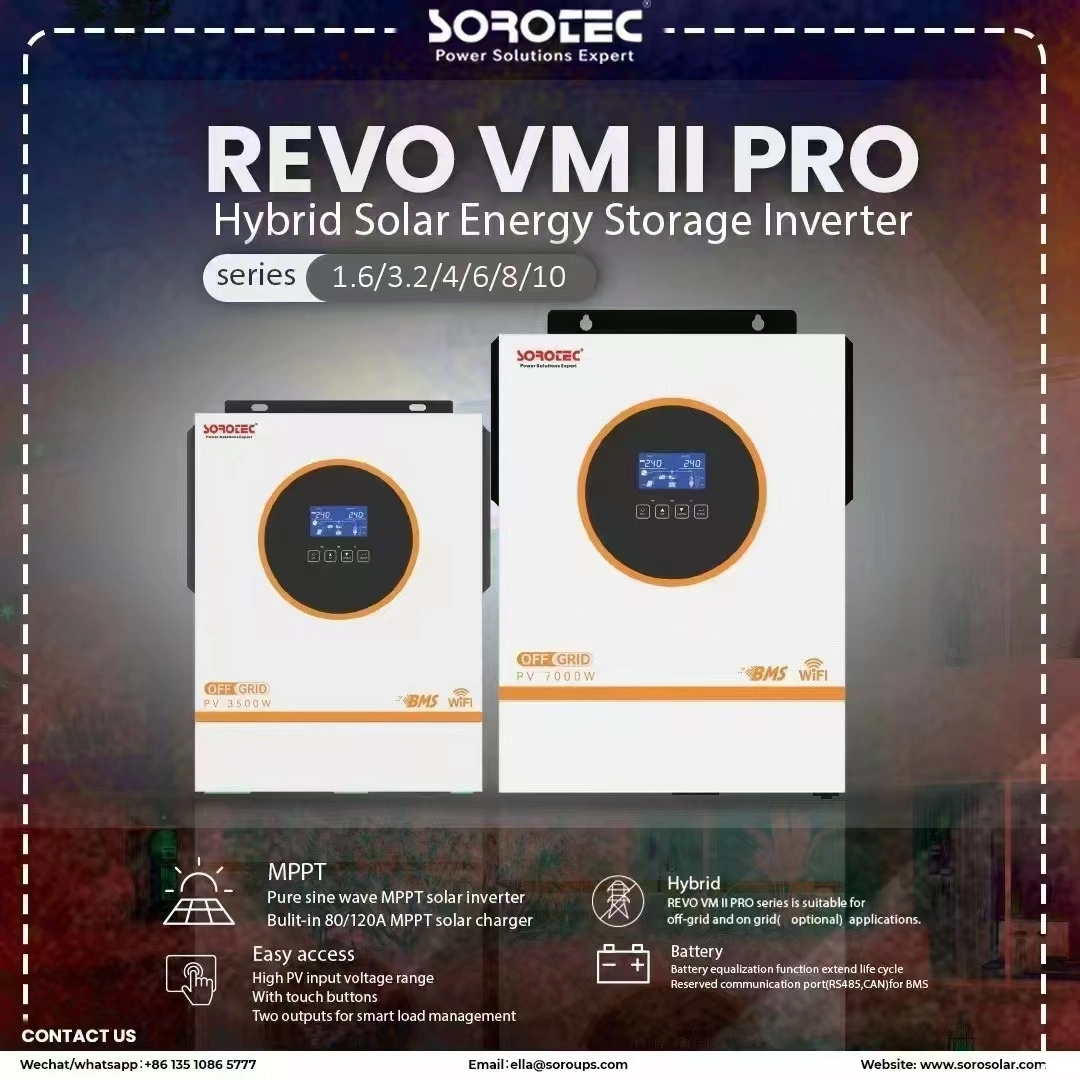
Rising electricity costs and unpredictable utility outages make generating your own power a highly attractive option. When you start buying equipment, the technical jargon gets overwhelming very fast. You basically have to pick between two main paths for your home or business. You can cut ties with the utility company completely, or you can keep a foot in both worlds.
A Hybrid Solar Inverter sits right at the center of this debate. Let us break down the practical differences so you can make the right call for your property setup.
Basics of Solar Inverter Systems
These devices act as the central brain of the entire power setup. Solar panels generate direct current electricity, which your standard home appliances cannot use. The equipment takes that direct current power and turns it into alternating current. Without it, your panels are just expensive roof decorations.
Core Functions of Power Conversion
The primary job is swapping direct current to alternating current. Modern units also track the maximum power point of the panels. They constantly tweak the voltage and current to squeeze out every drop of available sunlight from your array.
Concept of Off-Grid Architecture
An off-grid unit operates completely independently of the public utility. It relies solely on the sun and massive battery banks to keep the lights on. If the battery drains and the sun goes down, the power shuts off completely.
Concept of Hybrid Architecture
This system mixes the best of both worlds. It stores energy in batteries for backup power but stays wired to the public grid. You can pull power from the utility when clouds cover the sky for days, or you can send excess solar power back to them for financial credits.
Key Differences Between Off-Grid and a Hybrid Solar Inverter
Looking at the concrete factors that separate these two architectures helps clarify the buying process.
Grid Connectivity and Interaction
Off-grid setups mean you are totally on your own. You have absolute energy independence, but zero safety net. A hybrid system provides that safety net. If your power demands spike past what your panels and batteries can handle, the grid covers the shortfall automatically.
Battery Storage Requirements
Going completely off the grid requires a massive and very expensive battery bank to get through multi-day cloudy spells. Hybrid setups can get away with much smaller battery capacity since the grid is always there as a backup option. Batteries cost a fortune, so this difference directly impacts your wallet.
Cost and Financial Returns
When looking to buy a Hybrid Solar Inverter, the return on investment speed heavily depends on local tariffs. Off-grid demands a high initial cash outlay mainly due to battery sizing. Hybrid models usually yield a faster financial return because you can sell excess power and avoid buying expensive electricity during peak hours.
| System Feature | Off-Grid Setup | Hybrid Solar Inverter Setup |
|---|---|---|
| Upfront Equipment Cost | High (Requires massive battery banks) | Moderate (Smaller batteries needed) |
| Grid Interactivity | None | Draws from or feeds back to the utility |
| ROI Speed | Slower (No grid feed-in tariffs available) | Faster (Peak-valley arbitrage and sell-back) |
| Ideal Location | Remote cabins, telecom base stations | Urban or suburban homes with an unstable grid |
Selection Guide for Your Needs
Making the final choice comes down to where you live and how you use electricity on a daily basis.
Assessment of Local Grid Stability
Look at the local power lines in your neighborhood. If the property sits miles away from the nearest utility pole or faces daily blackouts, an independent setup is a no-brainer. If the grid is mostly stable but electricity rates keep climbing, lean towards a hybrid approach.
Evaluation of Energy Consumption Patterns
Check your monthly utility bill. Heavy power usage at night typically points to a hybrid system. You can draw from the grid if the batteries run dry, rather than waking up to a warm refrigerator.
Consideration of Budget and Scalability
Money matters in every construction project. Scalable setups let you start small. You can install panels and an inverter today, and then add more battery modules later when the budget allows.
Why the REVO VM II PRO Series Fits the Bill
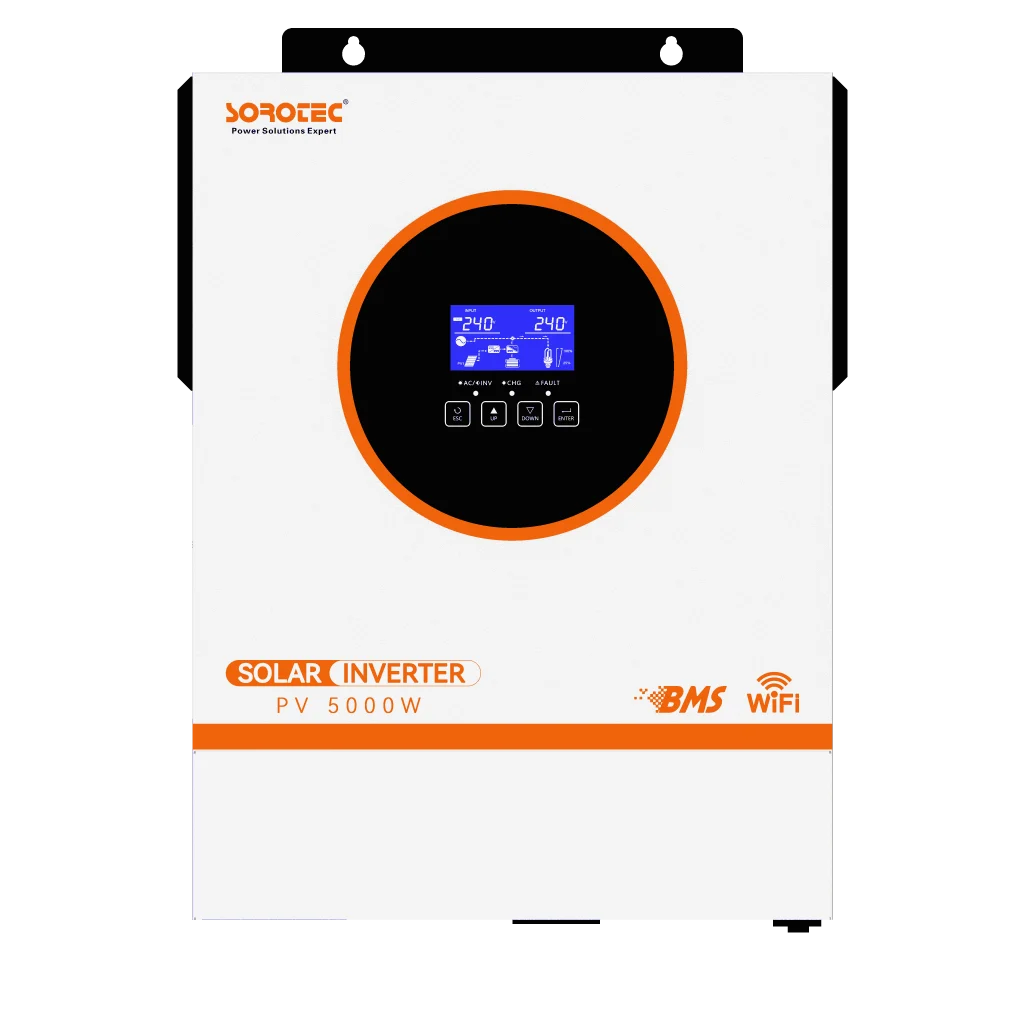
Sometimes you want the rugged independence of an off-grid system but the flexible application of a Hybrid Solar Inverter. That is exactly where the REVO VM II PRO Series steps in.
Battery-Less Operation Capability
As mentioned earlier, batteries take up a huge portion of the budget. This specific unit can actually start and run without any batteries connected. You can use solar power directly during the day to run heavy appliances, easing the initial financial burden significantly.
Optional Grid-Connected Function
REVO VM II PRO Series Hybrid Inverter is designed for both off-grid and on-grid applications, also including an optional grid-tied function. You get hybrid-like flexibility without locking yourself into one rigid architecture forever.
Smart Remote Monitoring
Nobody wants to guess if their system is actually working. This series features a sleek touch-button design and supports WiFi remote monitoring. You can upgrade the software over the air just like a smartphone, keeping the device running on the latest algorithms.
Proven Success in Global Projects
Real-world application tells the true story of any hardware. Theoretical lab numbers do not mean much if the equipment fails during a summer heatwave.
Performance in Harsh Environments
Extreme temperatures and dusty conditions ruin cheap electronics fast. Rigorous factory testing guarantees these units survive harsh climates without failing.
| Technical Specification | REVO VM II PRO Data | Practical Benefit for the User |
|---|---|---|
| Max Solar Charging Current | 100A (1.6/3.2 kW) to 120A (4/6 kW) | Harvests sunlight rapidly during short winter days |
| Max AC Charging Current | 80A (1.6/3.2 kW) to 100A (4/6 kW) | Rapidly recharges batteries when the grid returns |
| Communication Ports | RS485 and CAN supported | Seamless integration for modern Lithium batteries |
| Software Upgrades | Online via WiFi | Keeps the machine updated without manual cables |
Versatile Applications for Homes and Businesses
Capacities range widely from 1.6kW up to 10kW. That covers everything from a small rooftop array on a residential home to a larger commercial warehouse setup.
Demonstrated Value in Real Projects
You can view various case studies online to see how different capacities handle varying loads across the globe. Seeing similar properties succeed gives you confidence before making a purchase.
Partner with SOROTEC for Your Energy Journey
When upgrading energy infrastructure, the hardware source matters just as much as the technical specs. A reliable manufacturer saves you from endless troubleshooting. SOROTEC has operated as a national high-tech enterprise since 2006, focusing heavily on power electronics and renewable energy products.
Rather than just pushing boxes out the door, the team provides deep industry expertise, robust global OEM and ODM services, and 24-hour technical support. They manufacture high-quality power products and storage solutions that strictly follow international testing standards.
If sizing a system or picking an architecture feels daunting, head over to their about us page to learn about their decades of manufacturing experience. Picking between off-grid hardware and a Hybrid Solar Inverter just requires a careful look at your daily power habits, and getting the math right on day one saves thousands later.
FAQs
Q: Can a Hybrid Solar Inverter work completely off the grid?
A: Yes, most hybrid units can disconnect from the grid during a blackout and run your home using battery power. However, their primary design is to remain connected to the utility for peak-valley arbitrage.
Q: Do I have to buy batteries immediately when installing my system?
A: Not necessarily. Certain advanced off-grid models feature battery-less operation capability. This allows you to power loads directly from the sun during the day, and you can purchase battery banks later.
Q: How long does it take for these power systems to pay for themselves?
A: It usually takes 5 to 8 years depending on your local electricity rates and daily sunlight hours. Systems that utilize peak-shaving features tend to reach the break-even point much faster.