
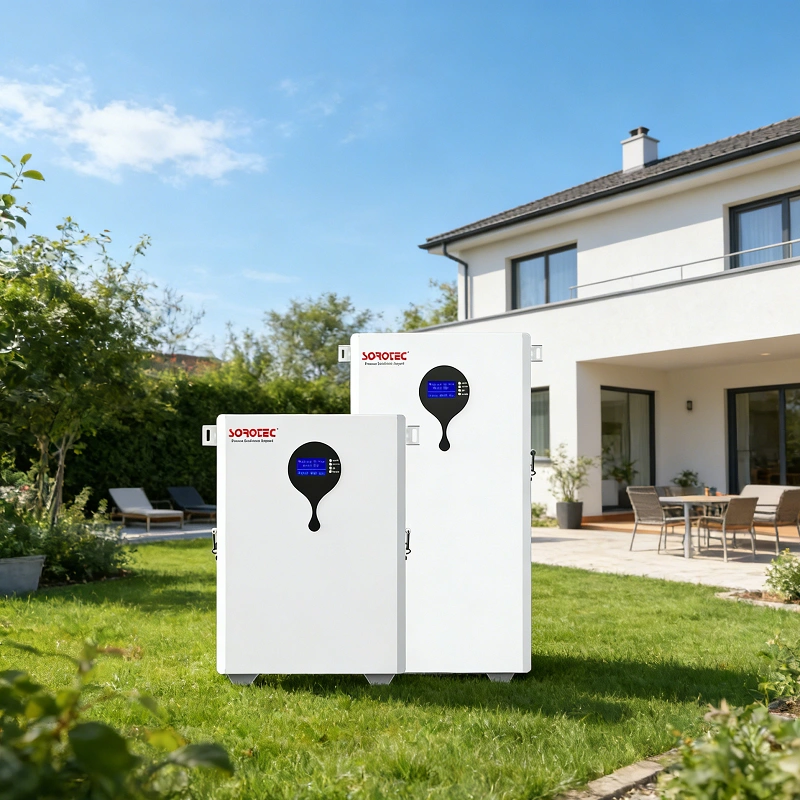
Solar panels do a fantastic job of shrinking your monthly power bill, but let’s be realistic, they cannot fix every electrical issue on your property by themselves. Power output flatlines the second the sun goes down, weak local utility grids will still fail without any warning, and picking budget-friendly batteries usually leads to losing charge capacity much faster than the sales brochure promised. That is exactly why LiFePO₄ Batteries have turned into a highly practical, everyday choice for storing solar power, rather than just acting as an expensive premium upgrade. For regular households, small retail shops, rural farms, and isolated off-grid sites, picking the proper battery dictates exactly how much solar power actually gets used after sunset.
If you need a functional hardware partner, checking out SOROTEC makes total sense. This manufacturer has been digging deep into power electronics and new energy systems since 2006. With extensive factory-side testing capacity and strong OEM/ODM support, they are a great fit for installers and project buyers who demand more than just a simple battery catalog. You can easily spot their practical engineering background across their household battery ranges and solar inverter ecosystems.
What Makes LiFePO₄ Batteries Better for Solar Energy Storage?
The current storage market is genuinely confusing. Some battery choices look like a massive bargain on the first invoice, only to turn into a huge financial drain after two or three early replacement cycles. A solar battery is definitely not just a plastic box hanging on the wall. It must charge up every single day, discharge safely to run your appliances, talk smoothly to the inverter, and sit quietly in the corner for years.
Safer Battery Chemistry
Lithium iron phosphate chemistry gets picked so often simply because it offers strong thermal stability and presents a much safer operating profile compared to older lithium mixtures. When setting up a residential system, that safety aspect matters deeply. A home battery might be mounted in a tight garage or a hot utility room where dust and daily deep cycling are totally normal. Stable chemistry gives the homeowners and the installation crew far fewer headaches over the years.
Longer Cycle Life
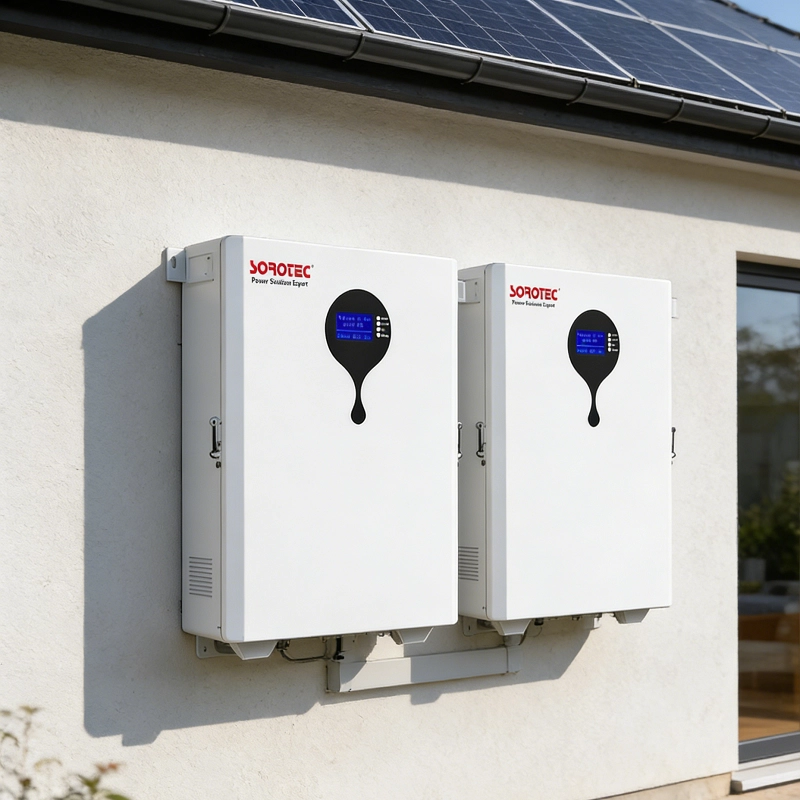
Cycle life is the exact metric where LiFePO₄ Batteries start to make total financial sense. A battery built to handle deep daily cycling fits solar harvesting way better than a unit designed strictly for rare blackout emergencies. For instance, the SL-W/SL-R Series LiFePO₄ Battery is rated to handle over 6000 cycles at 100% depth of discharge under standard testing conditions. Hitting those numbers easily supports more than ten years of heavy, everyday use.
Lower Maintenance Demand
Older lead-acid battery banks frequently demand quite a bit of manual attention. Lots of everyday users simply refuse to deal with that kind of messy upkeep. Running a solar setup should never turn into a forced weekend chore. By including a smart battery management system, a local data display, and modern communication ports, a lithium iron phosphate setup heavily reduces routine maintenance while providing clear warnings if something actually needs a check.
How Do LiFePO₄ Batteries Improve Solar System Performance?
A solid solar battery really only does three things well. It holds onto daytime surplus power, pushes electricity out when the house needs it, and shields its internal cells during abnormal voltage conditions.
Stable Daily Energy Storage
In a standard home solar setup, electricity demand usually climbs sharply in the early evening. That is the exact moment when PV panel output drops off a cliff. Putting battery storage in the middle closes that annoying timing gap. The daytime generation charges up the cells. Then, that stored power runs the kitchen lights, internet routers, refrigerators, and ceiling fans later that night. This basic shifting trick makes LiFePO₄ Batteries suit self-consumption systems perfectly.
High Discharge Capability
Some solar storage units look fantastic on a spec sheet but suddenly struggle hard when facing higher loads. The SL-W/SL-R series allows for 100A or 200A continuous discharge current, depending heavily on the specific configuration you order. This makes it a highly practical choice for properties with demanding appliances. For reference, a 51.2V 300Ah battery pack holds 15.36kWh of energy, which represents a very useful capacity size for getting through long neighborhood power cuts.
Better Depth of Discharge
Depth of discharge is a detail people gloss over too easily. A battery bragging about a massive nominal capacity but hiding a severely restricted usable capacity will definitely disappoint buyers after the installation crew leaves. By offering 6000+ cycles at 100% DOD, the SL-W/SL-R series hands you a very clear picture of the actual usable storage, rather than just a nice marketing number.
| Battery Choice | Typical Life Range | Maintenance Level | Fit for Daily Solar Cycling |
| Flat Plate Lead-Acid Battery | 3–5 Years | Higher | Limited |
| Tubular Battery | 5–8 Years | Medium to Higher | Moderate |
| Maintenance-Free Lead-Acid Battery | 3–5 Years | Lower | Limited |
| Gel Battery | 5–7 Years | Medium | Moderate |
| Lithium-Ion Battery | More than 10 Years | Lower | Strong |
What Should You Check Before Choosing a Solar Battery?
Before picking out a battery unit, rushing toward the cheapest model on the supplier list usually backfires. The smart move is starting with a detailed load list. You have to figure out how many hours the system must run and which specific appliances are truly critical. You also must check what inverter voltage the system actually uses. A tiny sizing mistake early on can build up into real performance problems later, and absolutely nobody enjoys explaining a math error to a homeowner after the wall has already been drilled.
Battery Capacity and Runtime
While capacity is normally written out in Ah, buyers should always convert that figure into kWh for much easier energy planning. The SL-W/SL-R range covers 100Ah up to 300Ah, yielding a total energy pool ranging from 2.56kWh up to 15.36kWh based on the voltage and capacity mix. That flexible range lets you choose a smaller pack just for keeping the lights and internet alive, or a much larger pack for pushing through long evening hours of heavy use.
Voltage and Inverter Matching
The battery voltage absolutely must match the inverter design. This sounds basic, yet mismatched voltages remain a strangely common mistake in small residential projects. The SL-W/SL-R series presents 25.6V, 48V, and 51.2V options, which really helps align the batteries with standard residential and light commercial layouts. If your inverter uses lithium communication, always verify the protocol before placing a final order.
BMS and Communication Ports
A battery management system provides way more than just a basic safety shutoff feature. It actively tracks the charge, discharge rate, current, voltage levels, and internal temperature. The SL-W/SL-R series packs built-in BMS protection alongside CAN, RS485, and RS232 communication ports meant for pairing up with hybrid inverters and main system controllers.
Why Recommend SL-W/SL-R Series LiFePO₄ Battery?
The project demands a battery that actually fits nicely on the wall, talks smoothly to the inverter, handles real daily cycling without degrading, and refuses to force customers into a narrow configuration. This is exactly where the SL-W/SL-R series becomes very easy to recommend.
100Ah to 300Ah Flexible Capacity
The capacity range is highly useful because not every single customer needs identical storage sizes. A sprawling small villa, a rural house stuck on a weak grid, and a light commercial retail site all exhibit completely different load patterns. Instead of forcing one rigid standard battery size onto everyone, this series provides plenty of room for accurate system matching.
Wall-Mounted Space-Saving Design
Available floor space can be surprisingly valuable, particularly in cramped utility rooms and cluttered residential garages. The wall-mounted design keeps the entire installation looking much cleaner and heavily reduces cable clutter around the main inverter area.
Intelligent Protection and Local Display
The product merges smart internal BMS protection with a highly visible front LCD screen. That simple addition means everyday users do not have to blindly guess what their battery bank is doing. Field installers can also read key status data without pulling out extra testing tools. Inside real homes, this handy feature saves considerable time during the initial setup.
| SL-W/SL-R Series Item | Product Data |
|---|---|
| Battery Chemistry | Lithium Iron Phosphate |
| Capacity Range | 100Ah–300Ah |
| Voltage Options | 25.6V, 48V, 51.2V |
| Energy Range | 2.56kWh–15.36kWh |
| Cycle Life | 6000+ Cycles at 100% DOD |
| Continuous Discharge | 100A / 200A |
| Communication | CAN / RS485 / RS232 |
| Installation Style | Wall-Mounted, IP20 Indoor Use |
| Display | SOC, Voltage, Current, Temperature |
Where Can LiFePO₄ Batteries Create the Most Value?
Not every solar installation actually needs a massive battery bank. The very best use case always happens when the storage hardware solves a genuine daily struggle, rather than just sitting idly on a wall waiting for a rare neighborhood blackout.
Home Solar Backup
For everyday households, the main goal remains quite simple: store the solar power and keep the essential appliances running during outages. LiFePO₄ Batteries help these homes consume far more of their own PV output, particularly during those expensive evening peak hours.
Off-Grid Solar Systems
Remote hunting cabins, agricultural farms, island buildings, and weak-grid perimeter areas desperately need batteries that can shrug off frequent, aggressive cycling. Out in these isolated places, a battery failure is not just annoying; it actively stops lighting, water pumps, and communication radios. The impressive cycle life and heavy discharge ability of the SL-W/SL-R series make it highly suitable for these much tougher use cases.
Small Commercial Energy Storage
Small coffee shops, business offices, and light commercial buildings care deeply about keeping priority loads running and reducing the shock of short power cuts. For real-world installation inspiration, exploring a comprehensive case study library is a highly practical way to see how solar storage equipment gets applied successfully across different environments.
Why Choose an Experienced Manufacturer for Service and Support?
Buying a large battery is absolutely a service-heavy decision. Projects often demand help with voltage matching, untangling inverter communication protocols, drawing up system plans, and performing later software troubleshooting. Sourcing equipment from a supplier loaded with real power electronics experience takes a lot of the messy guesswork out of the process.
You can read more about their extensive manufacturing legacy and strict testing standards on their about us page. If sizing a system feels daunting, getting the exact math right on day one saves thousands of dollars later. Reach out to the engineering team via their contact support portal to share your load list, inverter model, and target backup time. A better battery choice starts right there.
FAQ
Q: Are LiFePO₄ Batteries better than lead-acid batteries for solar storage?
A: Yes, for the vast majority of daily solar storage systems. LiFePO₄ Batteries typically provide a much longer cycle life, drastically lower maintenance requirements, and deeper usable discharge limits. They offer far better long-term financial value, even though the initial purchase price usually sits higher than older lead-acid options.
Q: What size battery should be used for a home solar system?
A: It completely depends on your specific load list and your desired backup time. Start the math by adding up the wattage of the truly essential appliances, and then carefully match the battery voltage and capacity limits with the chosen inverter. For plenty of standard homes, setting up a 48V or 51.2V system stands as a very common and functional direction.
Q: Why choose the SL-W/SL-R Series for residential solar storage?
A: It delivers 100Ah to 300Ah capacity options, a 2.56kWh to 15.36kWh total energy range, 6000+ reliable cycles, simple wall-mounted installation, smart internal BMS protection, a clear LCD display, and CAN/RS485/RS232 communication lines. All those features combined make it incredibly practical for home backup, off-grid deployments, and small commercial storage.